

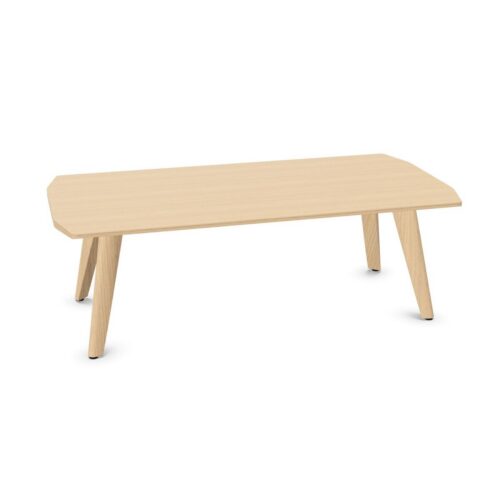
Lounge Furniture With Trigoon Tops and Red Surfaces

Lounge furniture with trigoon tops and red surfaces calls for an outline-led approach to planning. The selected shape and color need to be assessed together within the intended seating arrangement, with particular attention to orientation and the view from each approach. Establish how the actual trigoon outline relates to the seats before deciding how strongly the red surface should feature in the wider room composition.

Do not infer a precise geometry, symmetry, or edge treatment from the shape name alone. Review the complete top as part of the room plan and compare alternative orientations against the same seating positions. Red should also have a defined purpose: it may connect with an existing accent or establish a separate visual focus. A useful selection brief explains the relationship between the outline, the surrounding furniture, and the intended color scheme, without relying on assumptions about what the shape description implies.

2 models
From €25.77 p/m

Assessing lounge furniture with trigoon tops and red surfaces

Begin with a clear representation of the actual tabletop outline. Identify the parts that face seats, the parts that face circulation, and any changes in direction around its perimeter. Then place that outline within the intended lounge arrangement. The objective is to understand its specific relationship with the setting rather than to assign it the characteristics of another familiar shape. Review the top from the entrance and from every seating position. Keep these viewpoints consistent when considering alternatives so differences in outline and orientation remain visible throughout the comparison, rather than being obscured by changes elsewhere in the plan.

Test rotation before moving the seats

When planning lounge furniture with trigoon tops and red surfaces, compare alternative orientations while initially leaving the seating unchanged. Rotation may change which part of the outline addresses a person or an approach route. Review those differences carefully rather than assuming the top has equivalent sides or a single obvious front. Trace the route into and out of each seat after every change. Once an orientation appears promising, assess whether the seating itself needs adjustment. This sequence keeps the reason for each decision clear and avoids reshaping the whole lounge around an untested assumption about the tabletop.

Define the relationship between red and outline

Consider whether the tabletop's form or its color should lead the visual composition. With lounge furniture with trigoon tops and red surfaces, both attributes deserve deliberate attention, but they do not need to compete. Review the surface against the surrounding room colors and examine how the outline reads from the principal approach. If other accents are already prominent, consider whether the proposed placement introduces a clear relationship or adds visual distraction. Compare the actual red under the intended lighting. The color name alone cannot establish a match with nearby elements or predict its appearance in the completed setting.

Document what has been assessed

A useful brief for lounge furniture with trigoon tops and red surfaces should show the chosen orientation and explain its relationship with the seating. Include the principal approach route and the intended role of red in the room. State which views were used to assess the arrangement so the reasoning remains clear when furniture placement is reviewed. Keep assumptions separate from observed characteristics of the actual top. If an aspect of its outline remains unclear, resolve that point before finalizing the layout. This creates a practical basis for comparison without attaching unsupported characteristics to the trigoon description.

Frequently asked questions

Does trigoon establish an exact tabletop geometry?

The name alone is insufficient for a detailed layout decision. Review the actual outline before making assumptions about symmetry, edges, or orientation. Use that outline consistently when checking the relationship with seating, circulation, and the room's main viewpoints.

How should different orientations be compared?

Keep the seating positions and viewing angles consistent while rotating the tabletop on the plan. Check which parts face people and approach routes, then trace movement around the group. Adjust the seats only after understanding what each orientation changes.

Can red relate to the room without matching another accent?

Yes. It can have a deliberate independent role within the composition. Review the proposed surface alongside surrounding colors and from the principal approach, then decide whether its position and visual emphasis support the intended character of the seating area.

Explore related selections