










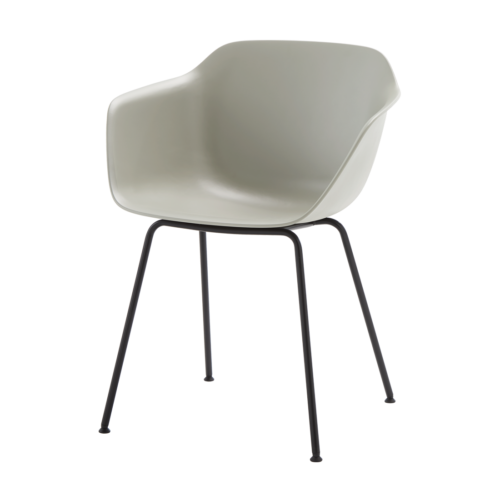
Understanding no upholstery upholstery for sofas
The absence of upholstery is a specific choice, but it leaves several practical questions open. Identify the exposed seat, back, sides, and edges on the proposed sofa. Establish the materials and finishes through the complete specification rather than treating the absence of a covering as a construction description.
When assessing no upholstery upholstery for sofas, distinguish appearance from direct contact. An exposed surface may form part of the visual composition, a seating surface, or both. Mark these areas on a drawing so the team can review the same boundaries and resolve any uncertainty before agreeing on the room plan.
Put Direct Seating Assessment Early
Review the complete sofa in person where possible. Ask participants to sit as they would during the intended activity, turn toward a conversation partner, and leave from the proposed approach direction. Record specific observations about those actions instead of applying general expectations to seating without upholstery.
A brief for no upholstery upholstery for sofas should state the expected use context clearly. Waiting for an appointment and taking part in a conversation involve different patterns of attention and movement. Compare the proposed sofa against the actual activity, while keeping any conclusions limited to what was observed during the review.
