

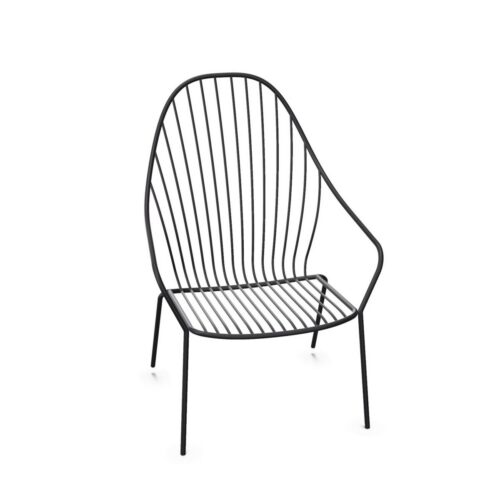
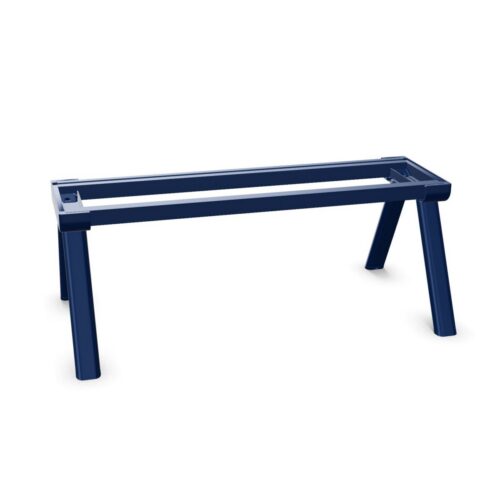
Lounge Furniture With No Upholstery Upholstery and Metal Bases

lounge furniture with no upholstery upholstery and metal bases places the emphasis on the furniture’s exposed form and its relationship to the base. Without upholstery, there is no upholstery color or covering to coordinate, so other visible details become central to the comparison. The metal base is a confirmed material choice; the composition of the remaining surfaces should be established separately.

For a reception lounge or shared waiting area, begin with the intended seating arrangement and the experience of approaching it. Compare the upper form, the meeting point with the base, and the complete outline from several directions. The absence of upholstery does not establish a particular seating experience, maintenance routine, or appearance. Evaluate those questions through the actual design and confirmed information. This keeps the focus on how the unupholstered furniture and metal base work together within the specific room.

Price on request
5 models
From €14.84 p/m
14 models
From €81.83 p/m
3 models
From €9.57 p/m
Price on request
Price on request
Price on request
Price on request

Reviewing lounge furniture with no upholstery upholstery and metal bases

Start with the complete form rather than treating the absence of upholstery as a full design description. Review the back, sides, and seating surfaces as they are actually presented. Then assess how the metal base relates to the upper section and how clearly the two parts read together.

Compare the furniture against the room's background. Without an upholstered covering to influence the composition, the visible surfaces and their transitions deserve close attention. Confirm the material of each relevant component instead of inferring it from the base.

Define the purpose of the lounge

A reception waiting area and a shared workplace lounge involve different patterns of use. Identify who will use the furniture, why they will pause there, and how the area relates to surrounding activities. Use those requirements to guide the arrangement and the questions asked about individual designs.

Assess the seating experience directly where possible. No upholstery does not, by itself, establish whether a piece suits the intended users or activity. Consider the actual form and compare confirmed details against the room's purpose before finalizing the selection.

Relate exposed form to the metal base

When assessing lounge furniture with no upholstery upholstery and metal bases, look closely at the visual transition between the upper body and lower structure. Decide whether the base should continue the dominant lines or introduce a distinct element within the composition.

Metal is a broad material designation and does not establish a specific finish or profile. Review the actual base appearance alongside nearby interior details. If several pieces share the room, identify which visible relationship will connect them. A common base material can support that decision, but it does not replace a comparison of their complete forms.

Check access and care independently

Position the furniture so each seating place has an understandable approach. Review the space occupied by the full piece, including the base, from the directions people will use. Consider how visitors join a group, leave it, or pass alongside it without interrupting an occupied seating area.

Then review the relevant care instructions for each exposed surface and the base. The absence of upholstery does not establish a particular cleaning method, and the word metal does not establish a universal treatment. Use component-specific information wherever it affects the room's operation. Keeping layout, seating suitability, and care as separate checks produces a more useful comparison than relying on a general impression of unupholstered furniture.

Frequently asked questions

What does no upholstery establish?

It establishes that the furniture has no upholstery. It does not identify every exposed surface material or determine the seating experience. Review those details separately for the actual design being considered.

Does a metal base imply a particular finish?

No. Confirm the actual surface appearance and assess it against the upper body, floor, and nearby details. The material designation alone does not establish color, sheen, or the visual prominence of the base.

How should this combination be assessed for a waiting area?

Compare lounge furniture with no upholstery upholstery and metal bases against the intended waiting arrangement. Review the exposed form, access to each seat, confirmed surface information, and the relationship to the arrival point.

Explore related selections