



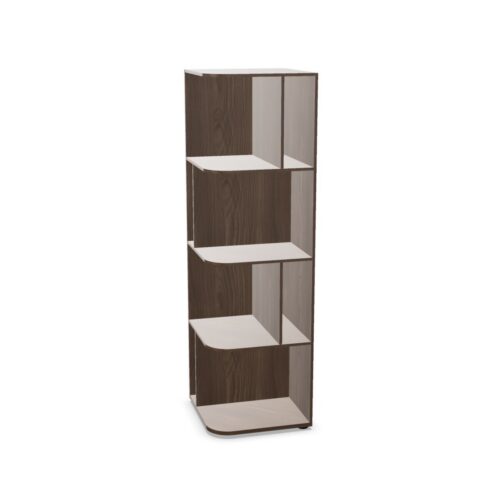
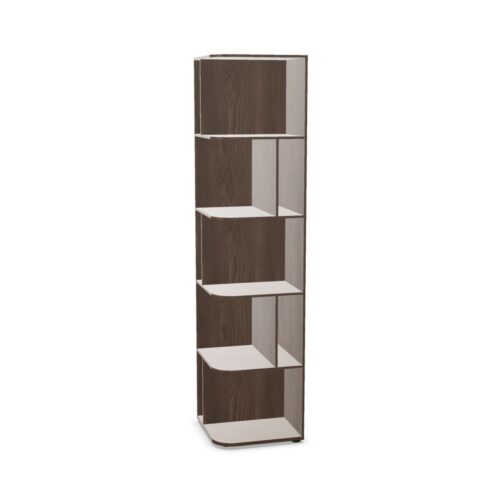














Compare wood-effect office cabinets carefully
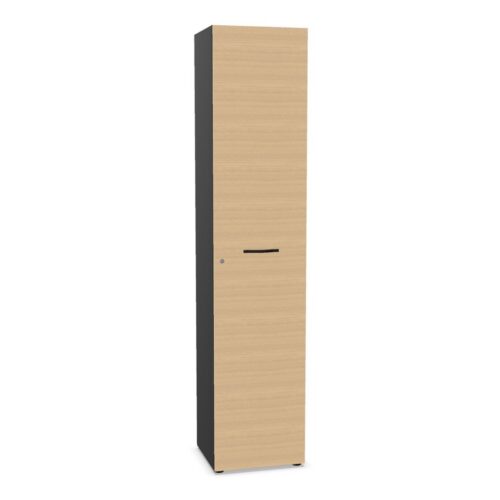
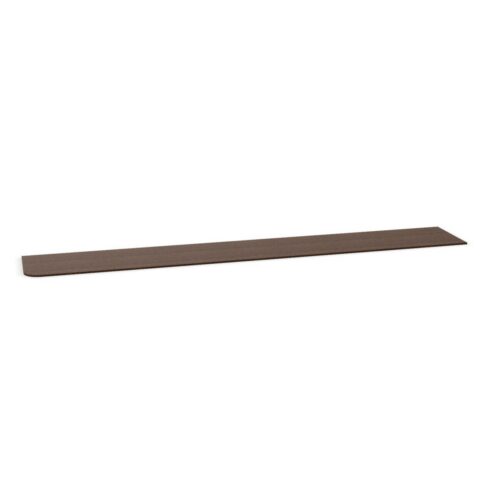
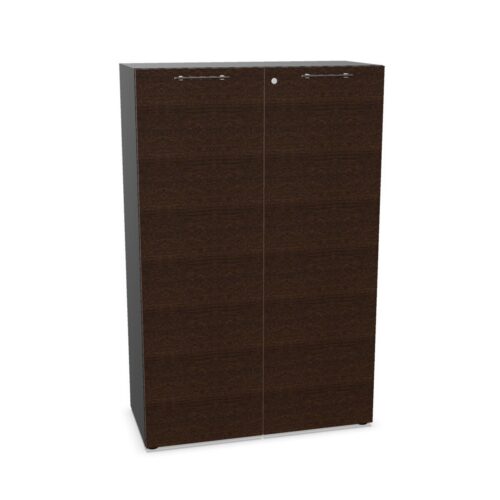
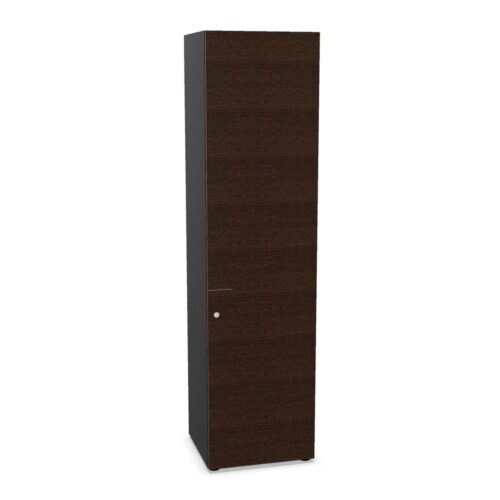
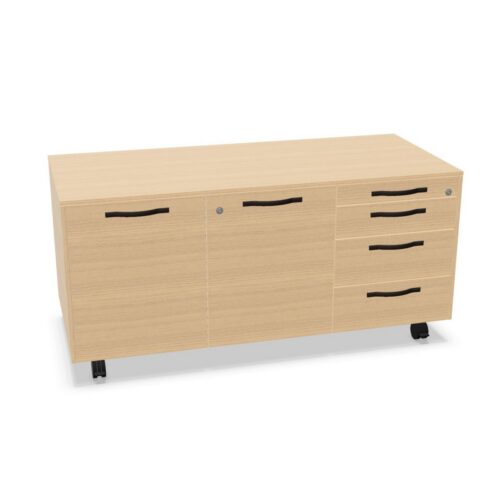
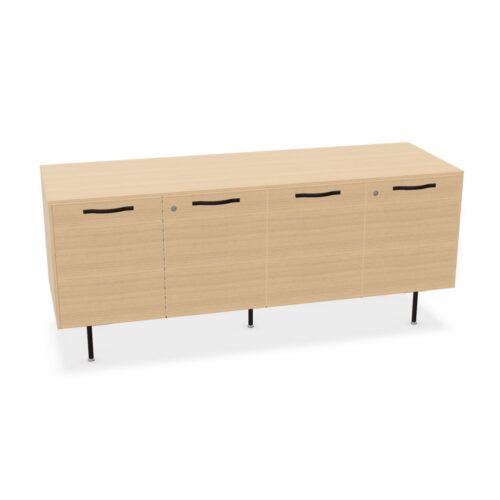
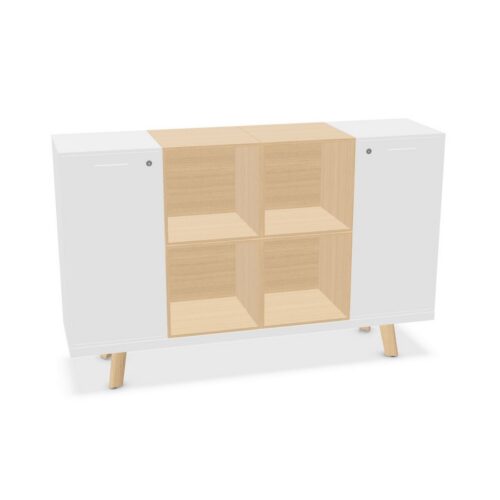
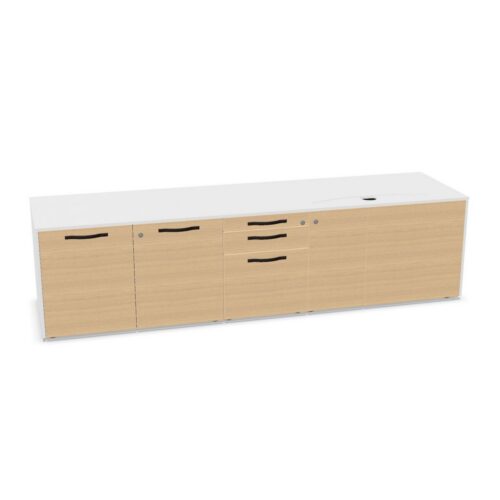
Wood-inspired appearances can differ in tone and pattern, so do not treat the shared colour label as proof that two cabinets will look alike. Review the product images and stated finish details, then compare them with the actual furniture and materials in the office. Consider the room’s lighting and whether the cabinet will sit beside similar surfaces or provide a contrasting element.
Decide what relationship you want between the cabinet and the rest of the scheme. A close visual connection can make separate pieces feel coordinated, while a different tone can add distinction without requiring every surface to match. When several cabinets are planned, assess their images together and note which details need confirmation. Check the product’s construction information if material type matters to the project.
Plan storage around people and contents
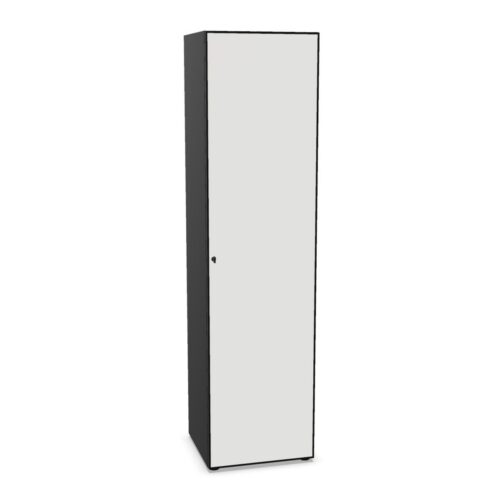
Think about what the cabinet will contain and how people will use it. Documents, shared materials and individual work items may require different arrangements. Match the intended contents with the internal configuration described for each product, and confirm how the cabinet opens. Product-level details matter: similar wood-effect finishes do not establish identical interiors or access methods.
For shared use, agree how items will be grouped and returned. A cabinet with a clear purpose can help colleagues maintain a consistent routine and find materials more easily. Consider the number of user groups it serves and where they work. A location that suits the people and the contents can be more useful than one chosen only for visual balance.
