







Choose beige office cabinets in context
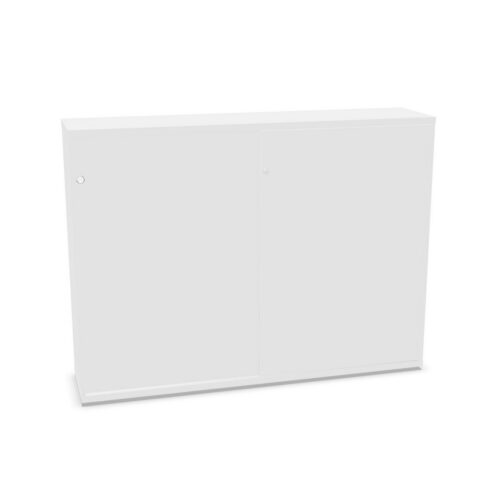
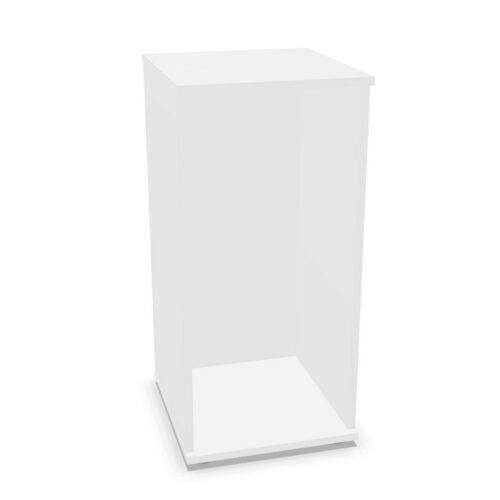
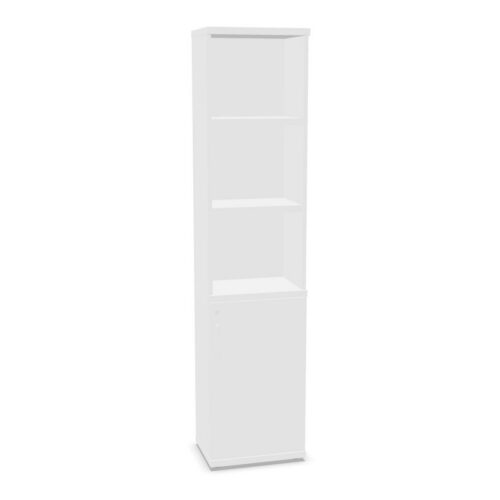
Beige can sit comfortably alongside pale walls, natural tones and many neutral palettes. It can also soften a room that contains darker desks or strong architectural details. Consider the other finishes in the office before choosing a cabinet: a close match can create continuity, while a subtle difference can help define a separate storage zone. Review the product imagery as part of the actual colour scheme rather than judging the finish by its name alone.
When comparing beige office cabinets, keep the same visual references for every option. Look at them beside the flooring, work surfaces and storage that will remain in the room. If several cabinets are being planned, decide whether they should form a consistent group or serve different areas with slightly varied finishes. This makes the final scheme deliberate and gives the cabinet a clear relationship to its surroundings.
Match storage to the work routine
Start with the contents. Office documents, shared stationery and personal work materials may need different arrangements and access patterns. Write down who will use the cabinet and what should be easy to retrieve. Compare these needs with the internal layout and door details described for each product. Do not assume that two cabinets with a similar appearance have the same configuration; use the specific product information to confirm the points that matter.
For shared storage, agree how items will be grouped and returned after use. A simple organisation plan helps colleagues find what they need without relying on one person to explain the arrangement. If the cabinet supports a particular team, place it where that group can reach it conveniently while keeping surrounding work areas usable. These everyday considerations can be more decisive than a small difference in shade.
