



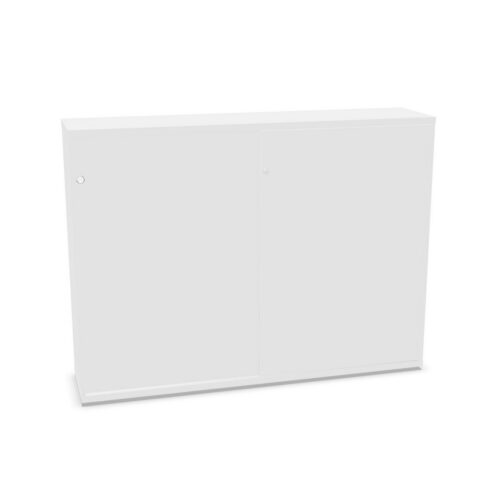


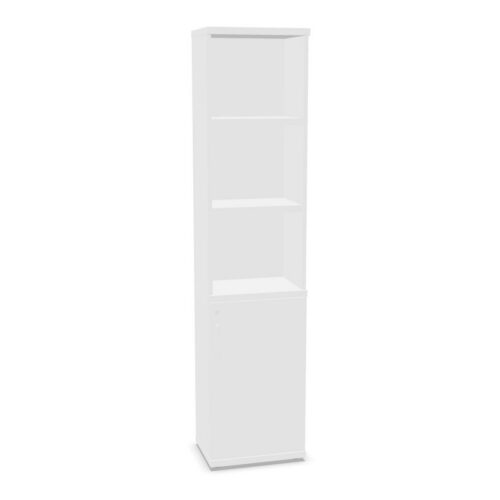


Use one shelf to structure the storage task
A single shelf can help separate one group of materials from another, but the best use depends on what the cabinet needs to hold. Consider which items should remain together, which might be placed on the shelf and which need a different arrangement. Compare that plan with the actual interior details for each product. The shelf is one part of the setup, not a guarantee that every storage need will be met.
For a shared cabinet, decide how users will recognise the intended place for each group of items. A simple arrangement can make it easier to retrieve and return supplies or documents. Think about how often the contents are used and whether the people who rely on them can reach the cabinet conveniently. These points help the one-shelf configuration support a consistent routine.
Check the cabinet’s full interior
Review the cabinet’s described layout beyond the shelf count. Look at its opening style and any other interior details that influence access. Consider what the cabinet will store and whether the product information confirms a suitable arrangement. Product configurations can differ, so compare each one directly rather than assuming they share the same setup.
Decide whether the unit will serve an individual, a department or a broader group. The organisation approach should reflect that audience. Materials used regularly may need a straightforward access point; items kept for reference can be arranged differently. If multiple colleagues share the cabinet, agree on how it should remain orderly and who will maintain the arrangement.
