


Review all five shelf levels
Look at the product drawing to understand the spacing between the five shelves and whether they can be repositioned. Some products may have fixed positions. The number alone does not describe the height, width or depth of each usable area.
Measure folders, containers and other planned contents, including lids and pull-out space. Check each shelf’s loading guidance and place items accordingly. Do not assume identical capacity across levels or infer it from the total shelf count.
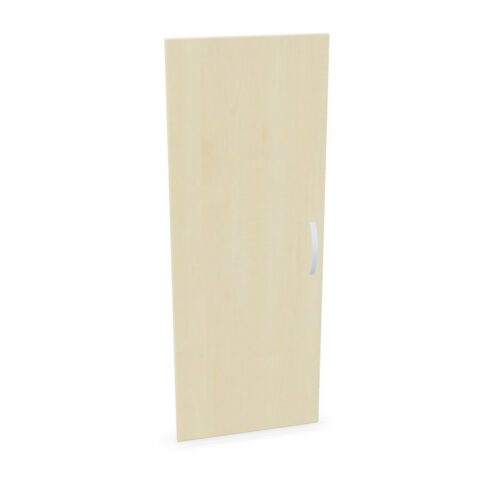
Check plastic door details
Plastic is a catalogue value for the doors, not a complete description of the cabinet. Confirm door construction, finish, handles, hinges and opening direction on the product page. Review the cabinet body and interior materials separately, since these may differ from the door material.
Consider how the doors will be used and maintained in the chosen room. Check the required swing clearance and use the care instructions for the exact surface. If locking or a particular fitting is needed, confirm that it appears in the selected model’s specification.
Create an orderly five-level plan
Assign a purpose to each shelf, such as files, stationery, supplies or equipment. Keep commonly used materials at an accessible height and label categories where multiple people share the cabinet. Ensure each item fits its allotted space without pressing against the shelf above.
Before loading, review the product’s assembly and weight instructions. Avoid uneven or excessive loads, and keep the door path clear. A simple inventory can help users return items to the right level and make future restocking easier.
Frequently asked questions
Are the five shelves adjustable?
That varies by model; verify shelf fittings and positions.
Does plastic describe the cabinet body?
No. It is the door-material value.
How should I compare storage space?
Measure the items and check each shelf’s documented clearances.
