

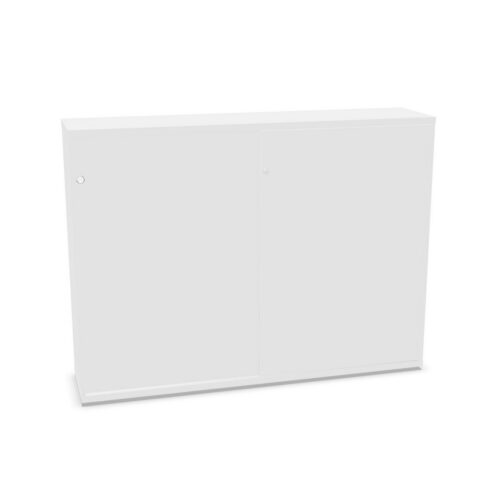
Office Cabinets with Three Standard Shelves and Plastic Doors

This combination groups cabinets carrying the “three normal” shelf value and plastic doors. “Normal” is a catalogue term for this shelf type, not a universal dimension or a guarantee of identical shelf construction. Check the chosen product’s measurements, positions and included components.

Plastic is the door-material attribute; it does not describe every part of the cabinet. Confirm the body material, finish and door fittings from the product listing. The shelf count also does not show compartment heights, depth or load capacity.

Measure the items to be stored and the room where the cabinet will stand. Compare these needs with the drawings and exact external dimensions. This helps determine whether a cabinet with three standard shelves and plastic doors fits the intended us

Confirm included shelf components, opening clearance and care instructions on the selected product page before planning the final storage arrangement.

4 models
From €13.90 p/m
4 models
From €6.01 p/m
10 models
From €3.42 p/m
6 models
From €5.27 p/m
3 models
From €9.82 p/m
5 models
From €6.83 p/m
10 models
From €4.96 p/m
8 models
From €6.35 p/m

Interpret the standard-shelf label

The “normal” shelf value is a catalogue classification. It should not be treated as a standard measurement shared by all products. Check the specification for each shelf’s material, depth, position and whether it can be adjusted.

Measure folders, supplies and containers against the actual clearances. Consider how much space is needed to retrieve them and follow model-specific load guidance. If replacing another unit, compare its shelves directly with the drawings for this cabinet.

Check plastic doors and cabinet body

Plastic identifies the door material in this filter. The cabinet body, interior and shelf construction may use different materials. Review the exact listing for finish, handles, hinges and door movement, as well as any care instructions.

Ensure that there is room to open the doors and reach all three shelves. If the product needs a lock or another fitting, verify it in the model specification. The presence of plastic doors does not establish durability, maintenance requirements or a particular finish across the range.

Use three shelves to structure storage

Assign a clear role to each shelf, such as active files, shared supplies or equipment. The three levels can help separate categories, but the arrangement should follow actual measurements and user needs. Keep frequently accessed contents where they are easy to reach.

Labels can guide colleagues returning items to a shared cabinet. Follow load guidance and avoid placing contents where they obstruct the doors. Review the layout when supplies, records or team responsibilities change, rather than allowing items to accumulate without an assigned place.

Frequently asked questions

Is “normal” a standard shelf size?

No. Confirm the shelf dimensions for the chosen model.

Does plastic describe the cabinet sides?

No. It identifies the door-material value.

How do I decide if the shelves fit?

Compare their documented clearances with the items to be stored.

Plan the cabinet location

Measure the installation space and compare it with the unit’s overall dimensions. Account for nearby furniture, walls and the full opening arc of the plastic doors. Check delivery and assembly information if the cabinet must pass through a narrow route.

Products sharing the same filters may still differ in shelf adjustment, interior size, body construction and supplied accessories. Compare product records individually. For a replacement project, measure both the existing footprint and the clear storage spaces that need to be retained.

Use verified product details

The filter narrows the search, but the product details determine whether the shelf arrangement and plastic doors suit a particular room. First confirm what “normal” means for the selected model by checking its shelf measurements and drawings. Do not assume the label represents one common size. Measure stored contents, including file tabs or container handles, and leave enough clearance for removal. Follow the stated load guidance and verify whether repositioning the shelves is permitted. Next, review the plastic doors as a distinct product component. Check finish, hinges, handles and care advice, then inspect the materials used for the cabinet body and interior. Allow enough space to open the doors without blocking walkways or adjacent furniture. If users share the cabinet, agree on a simple three-level storage plan and label categories that need regular access. Store items according to manufacturer guidance and review contents after a change in work patterns. For replacement decisions, compare actual interior measurements, not just shelf labels. Also check overall dimensions, included fittings and delivery access. A cabinet may match the same filter values yet differ in the points that matter to fit and use. Keeping the model reference and product instructions available helps users maintain the arrangement over time. By confirming these details, the catalogue filters can guide the shortlist without standing in for product-specific information.

Explore related selections