









Consider plastic doors in the office setting
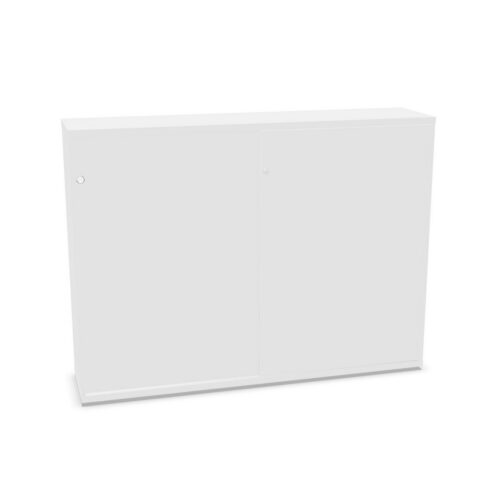
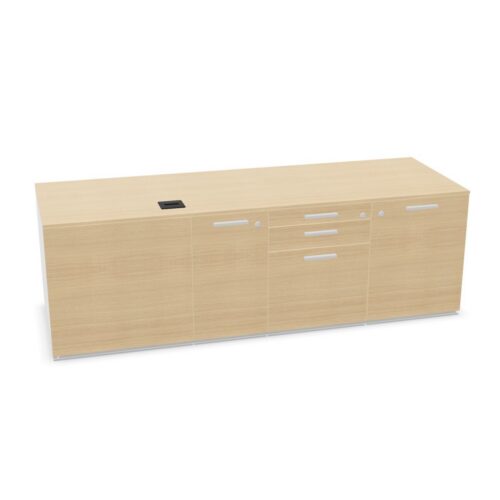
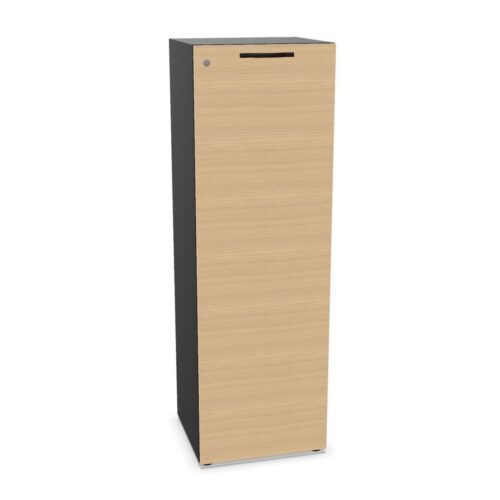
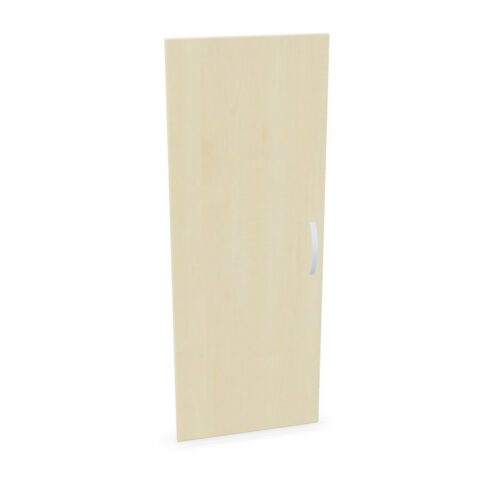
Review the cabinet’s appearance beside the finishes and furniture already planned for the room. The material category can help narrow a selection, but it does not establish every visual or construction detail. Compare product imagery and descriptions, and consider whether the cabinet should blend into the surrounding storage or provide a different look. The room’s lighting and adjacent materials can affect how the unit appears.
If the office includes several cabinets, decide whether consistency in door material matters across the group. A coordinated approach can make separate storage points feel connected, while using different materials may help distinguish areas. Keep that intention clear and confirm product details from the individual descriptions. This makes it easier to compare options on reliable information rather than assumptions.
Match the interior to its contents
List what the cabinet will hold and how those materials are used. Documents, shared supplies and personal work items may need different internal arrangements. Review the specific cabinet’s interior and opening style, then compare them with the planned storage routine. The door material alone does not confirm how the inside is organised, so assess the full product configuration.
For team storage, agree how contents will be grouped and who will maintain the arrangement. Consider whether the cabinet serves one group or the wider office and choose a location that suits its users. A clear purpose can help colleagues find items and return them consistently. These practical steps keep the selection focused on the work the cabinet needs to support.
