

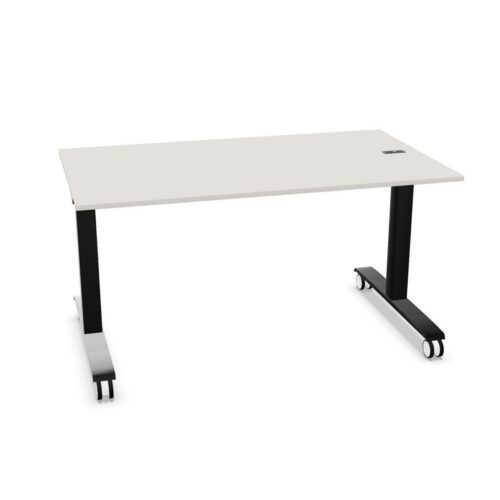
HPL Meeting Tops With Electric Height Control

Test the proposed tabletop position during the actual activity, noting how it relates to participants, their seats and the equipment they share. Here, an HPL tabletop is combined with electric adjustment, so the central decision concerns how and when the surface will move. Plan around the activities participants need to perform, including how they enter the room, arrange their belongings and transition between parts of a meeting.

An electrically adjustable conference table with an HPL top should be considered together with the furniture around it. Chairs, presentation equipment and nearby storage influence whether a height change is straightforward in everyday use. Keep the tabletop material and adjustment method as separate decisions that work together: HPL describes the selected surface material, while electric adjustment describes how its working level changes. Neither choice establishes additional equipment, surface appearance or a particular meeting format.

4 models
From €32.64 p/m
€8.36 p/m
€93.32 p/m
2 models
From €54.21 p/m

Organize Meeting Transitions Before Choosing Positions

Think through a meeting from arrival to departure. Participants may begin with individual notes, turn toward a shared presentation and later gather around documents. Identify which transitions actually benefit from a different working level. Some changes concern seating direction or equipment placement rather than the table height itself.

Where electric adjustment serves a clear purpose, decide whether it belongs between sessions or within them. This distinction affects how much preparation the room needs. An adjustment made before arrival requires a different routine from one made while participants have laptops and papers on the HPL surface.

Planning electrically adjustable conference tables with hpl tops

A clear adjustment routine for electrically adjustable conference tables with hpl tops should identify who prepares the table and the arrangement expected after each session. The electric combination allows that relationship to change, which makes seating compatibility an ongoing consideration. Review how participants approach the surface and how their chairs fit at the working positions you intend to use.

Do not assume that electric adjustment confirms suitability for every seated or standing activity. Assess the actual range separately. A useful comparison focuses on the positions your meetings require and whether changing between them contributes to the work, rather than on adjustment as an isolated feature.

Keep Equipment Compatible With Movement

Map the equipment normally brought into the room. A display connection, power lead or shared device can influence where people sit and what needs attention before adjustment. Trace each connection from its source to the tabletop, considering how that route responds when the working level changes.

Electric conference tables with HPL tops do not inherently include a cable tray, power outlet or other accessory. Establish those details separately. Meanwhile, keep the surrounding floor area available for circulation and avoid assigning permanent storage positions beneath the table until the movement area has been checked.

Coordinate the HPL Top With the Shared Room

Use the tabletop as a starting point for arranging meeting materials. Decide where shared papers belong, where a presenter might stand and which parts of the surface participants need to reach. These choices help connect the HPL top with the room's practical use without assuming particular material performance.

Assess its appearance in the room's lighting and beside existing furniture. The HPL designation does not specify a decorative treatment. Once the visual relationship is appropriate, revisit the movement plan: the table should have a clear operating routine that staff can follow without rearranging unrelated parts of the room.

The practical value of electrically adjustable conference tables with hpl tops depends on whether the available positions suit the intended activity and the furniture used alongside the table.

Describe the working positions the room needs, then test the table with occupied chairs, connected equipment and clear access to each seat.

FAQ About Electrically Adjustable HPL Conference Tables

Should height changes happen during every meeting?

No. Use adjustment when it supports the activity. A room can retain a familiar working position for routine discussions and change it for a specific purpose, provided the intended positions are suitable and the surrounding space remains clear.

Does HPL confirm how the top should be maintained?

The material name alone does not provide complete care instructions. Check the guidance for the actual tabletop before establishing cleaning routines, especially where different teams share responsibility for preparing the meeting room.

What should be checked around the chairs?

Review chair arms, seating positions and the space needed to move away from the surface. Check these relationships throughout the intended adjustment range, including where unused chairs will remain when participants change their working position.

Explore related selections