

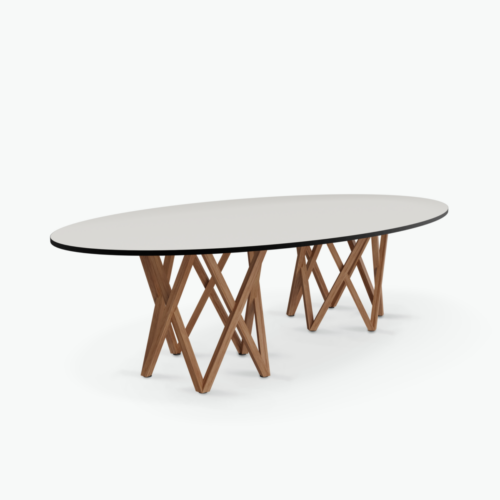
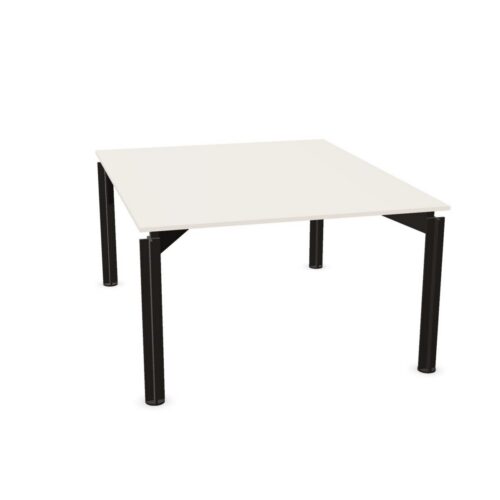
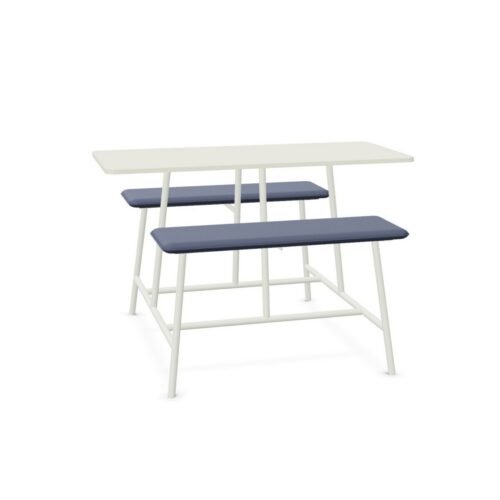
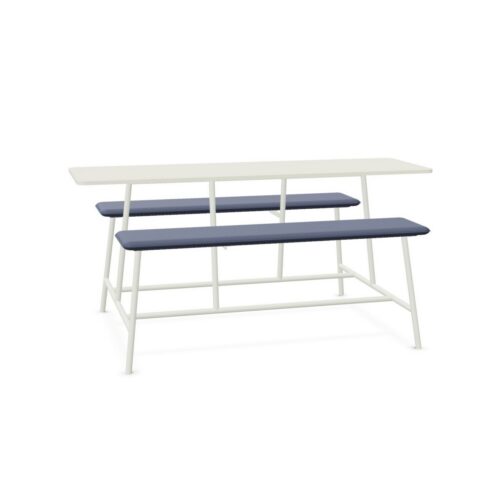

HPL Conference Tabletops for Team Discussions

Conference tables with HPL tops provide a material starting point for rooms used for presentations, working discussions and project reviews. To make that choice useful, relate it to what happens around the table: where people look, how documents move and where connected devices are placed. The HPL designation does not settle the surface color, frame arrangement or connection features, so each of those needs separate consideration.

Begin with the relationship between the table and the room’s shared focus. A screen, presentation wall or central set of documents can each suggest a different seating arrangement. Follow the route from the entrance to the chairs, then consider how participants turn, take notes and reach their equipment. This connects the tabletop choice to an understandable room plan without relying on assumptions about unconfirmed features or material performance.

2 models
From €18.78 p/m
8 models
From €30.61 p/m
10 models
From €16.65 p/m
9 models
From €22.04 p/m
18 models
From €27.49 p/m
6 models
From €28.06 p/m
€10.48 p/m
€9.94 p/m
2 models
From €9.51 p/m
4 models
From €7.81 p/m
2 models
From €25.99 p/m
3 models
From €2.77 p/m
2 models
From €227.52 p/m
28 models
From €18.24 p/m
15 models
From €16.44 p/m

Positioning Conference Tables With HPL Tops

Identify the room's main focus before placing the table. In a presentation room, participants may need to alternate between a shared display and their own notes. For a discussion led by documents, the working materials become the center of attention. Those different patterns should influence the proposed arrangement.

Walk through the planned meeting sequence, including arrivals, introductions and changes of presenter. Look for moments when a person would have to cross in front of the discussion or move another chair. Addressing those interruptions early is more useful than choosing a position solely from an empty floor plan.

Keep Visual Decisions Specific to the Surface

HPL identifies the tabletop material without defining its appearance. Compare the actual surface with the room's other finishes and consider what participants see while seated. The relationship with chair upholstery, wall colors and nearby cabinets may matter more than matching a material label elsewhere in the workplace.

Consider the table from the doorway as well. A conference area often sits within a sequence of shared spaces, and its surface can either continue or change that visual rhythm. Choose the relationship deliberately, while avoiding assumptions about texture or sheen that the material name alone cannot establish.

Organize Shared Work and Personal Devices

Agree where documents, laptops and presentation controls belong during a session. Personal equipment can compete with shared materials for attention, so a clear working arrangement helps participants understand where to place things. Include any equipment that stays in the room when considering how the surface will be used.

When assessing conference tables with HPL tops, review connection arrangements independently of the material. Determine how devices reach the room's available outlets and presentation points. Trace the cable route through the occupied seating arrangement, paying attention to chair movement and any path regularly used by people entering or leaving.

Allow the Room to Support Different Discussions

A conference room may host both screen-led sessions and conversations where participants face one another. Check whether the proposed table position supports those changes in attention. Someone should not need to move shared equipment simply to place a notebook or follow the person speaking across the table.

Plan where unused meeting supplies will go between sessions. Give responsibility for restoring the shared work area, and use the relevant care instructions for the actual tabletop. These decisions concern the room's operating routine; they should be established alongside the furniture arrangement rather than inferred from the HPL designation.

Questions About HPL Tops in Conference Rooms

Does HPL specify a particular surface appearance?

No. The material designation alone does not establish color, texture or sheen. Review the actual tabletop appearance in relation to the surrounding furniture and the room's intended visual direction.

How should conference tables with HPL tops relate to a presentation screen?

Consider the seated view and the movement between presenting and taking notes. Position the table so the screen can be followed without making access to chairs or shared materials awkward.

Can the material choice settle the cable arrangement?

No. Cable provisions require their own review. Establish where devices will sit, where connections are available and how cables would travel before finalizing the room's equipment and seating plan.

Explore related selections