

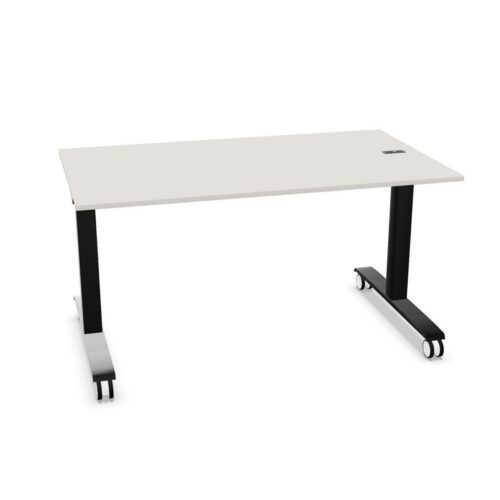
Electric Adjustment Beneath Melamine Meeting Tops

The practical value of electrically adjustable conference tables with melamine tops depends on whether the available positions suit the intended activity and the furniture used alongside the table. The selected combination pairs a melamine tabletop with an electrically adjustable working level, allowing height changes to become part of the room’s meeting routine. Its relevance depends on whether participants will actually use that adjustment and how the surrounding seating, circulation routes and shared equipment accommodate it.

Start with the activities that bring people together: reviewing documents, discussing a presentation or gathering for a shorter conversation. Decide when changing the tabletop level would help those activities, then consider how chairs and personal belongings will be handled during the transition. Electric conference tables with melamine tops deserve a layout that accounts for movement around and beneath the surface, while treating the material choice separately from assumptions about color, finish or maintenance requirements.


Planning electrically adjustable conference tables with melamine tops

A fixed working level supports a room arranged around a consistent seated relationship. Electric adjustment introduces a different planning decision: when should that relationship change? Identify a practical reason for moving the tabletop during the working day, rather than treating adjustment as an activity in itself.

Consider whether the room hosts meetings with different working routines or generally repeats the same format. Where changes are useful, agree when they should happen. Making adjustments before participants settle in can keep papers, chairs and shared devices from complicating the start of a discussion.

Plan the Space Around Tabletop Movement

Review the area beneath and beside the table across its intended adjustment range. Chair arms, nearby storage and equipment placed under the surface all need attention. An arrangement that works at a familiar seated level may need reconsideration when the tabletop moves to another position.

Keep the approach from the doorway clear and give participants an obvious place to move their chairs. If meetings involve connected devices, check how their leads will behave during adjustment. A melamine top and electric height control do not establish whether any particular cable-management feature is present.

Give the Melamine Surface a Clear Role

Assess the tabletop as the shared surface for the work your meetings involve. Lay out the documents, notebooks and equipment normally used together, then consider how participants reach them. This exercise helps relate the material choice to actual working habits without relying on unconfirmed surface characteristics.

Look at the intended surface appearance alongside seating, flooring and nearby cabinetry. Melamine identifies the selected tabletop material, but does not determine its color or pattern. For electric melamine conference tables, coordinate those visible decisions while keeping access to height adjustment practical for the people using the room.

Establish a Consistent Adjustment Routine

Decide who initiates a height change during a shared meeting. A brief agreement avoids one participant moving the surface while another is arranging equipment or working with documents. The routine should be easy to understand for occasional visitors as well as people who use the room regularly.

Include a final check before the next meeting begins: return chairs to useful positions, remove belongings from the movement area and leave shared equipment arranged appropriately. These habits connect electric adjustment with everyday room management. Assess electrically adjustable conference tables with melamine tops with the chairs and equipment that participants will use, considering the complete working arrangement at each intended position.

Test the proposed tabletop position during the actual activity, noting how it relates to participants, their seats and the equipment they share.

Record a normal starting arrangement for the room, then establish when changing the table height would help the next activity.

FAQ About Electric Adjustment and Melamine Tops

Does a melamine top indicate a particular appearance?

No. The material description does not establish a color, pattern or finish. Consider the actual appearance separately, especially where the meeting table will sit beside existing cabinets, chairs or other prominent room elements.

Can the table always support standing meetings?

Electric adjustment alone does not confirm the available working positions. Check the actual adjustment range and its suitability for the intended activity before building a standing meeting routine around the table.

When is electric adjustment worth considering?

Consider it when changing the working level serves a recurring meeting need and the room can accommodate those changes. Describe the working positions the room needs, then test the table with occupied chairs, connected equipment and clear access to each seat.

Explore related selections