



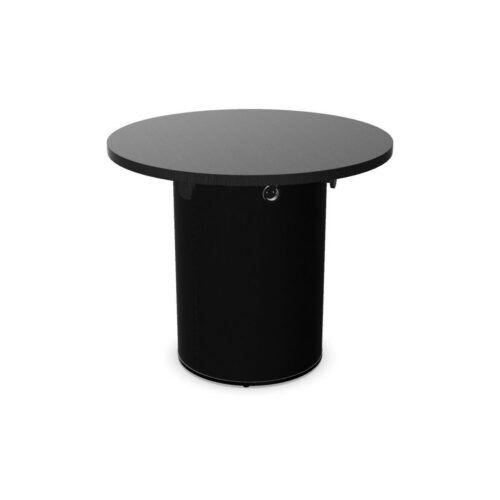
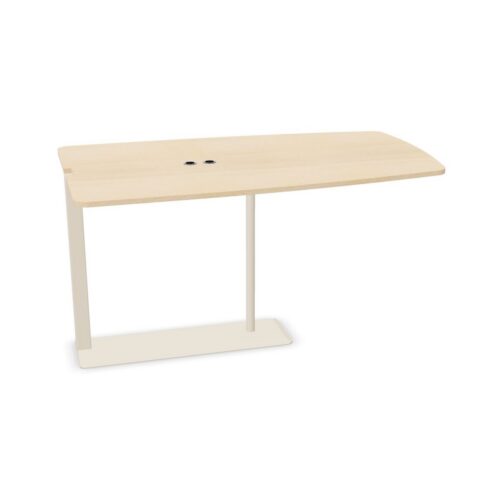
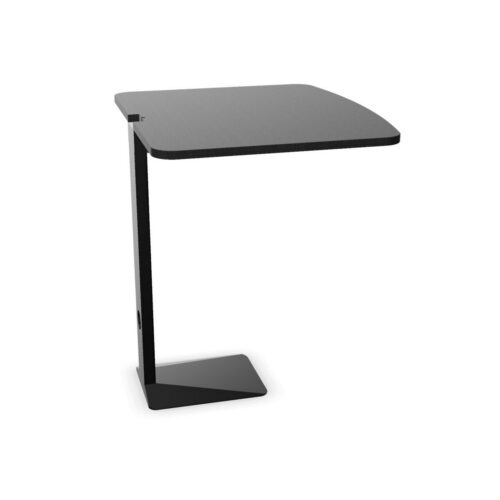
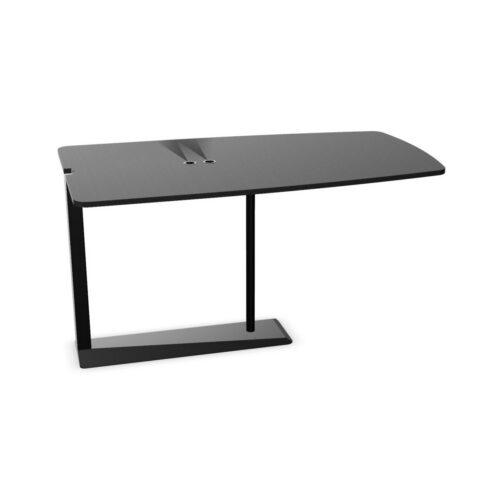


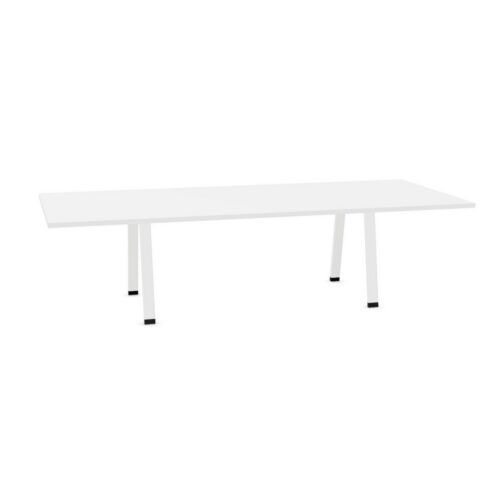


Fit Seating to Fixed-Height Conference Tables With Melamine Tops
Because the tabletop level remains set, seating deserves attention early in the planning process. Review the intended chairs in relation to the surface, including their arms and the way people approach their places. Consider users' working positions instead of judging the table and chairs as separate pieces of furniture.
Think about the activities that occupy most meeting time. Writing notes, reading documents and following a discussion each involve a relationship with the tabletop. Check that the planned seating arrangement supports those activities at the established level, and consider different user needs before settling the room layout.
Build Clear Routes Around a Consistent Layout
Map the path from the entrance to the seating area. Participants should be able to recognize how to reach an available place without disrupting the whole meeting. Give similar attention to the route used by someone presenting or moving toward shared materials.
Fixed-height melamine meeting tables let the room retain a consistent working arrangement, but circulation still depends on the surrounding furniture. Check doors, storage access and chairs pulled back from the surface. Consider those everyday movements together, particularly in rooms where people arrive after a discussion has already begun.
