



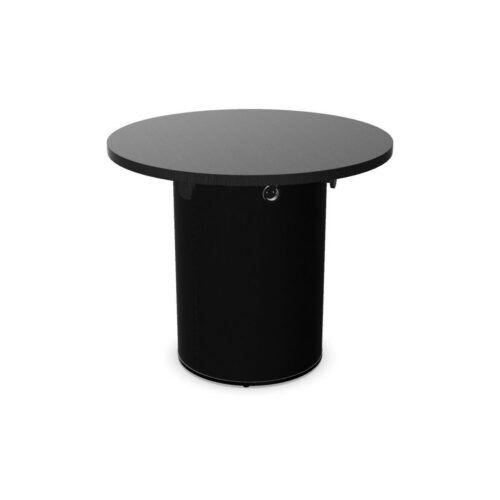
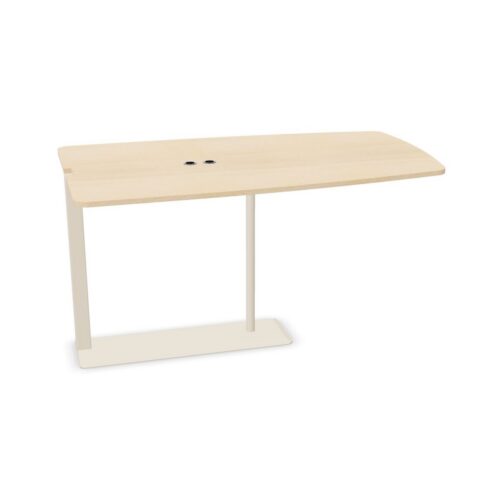
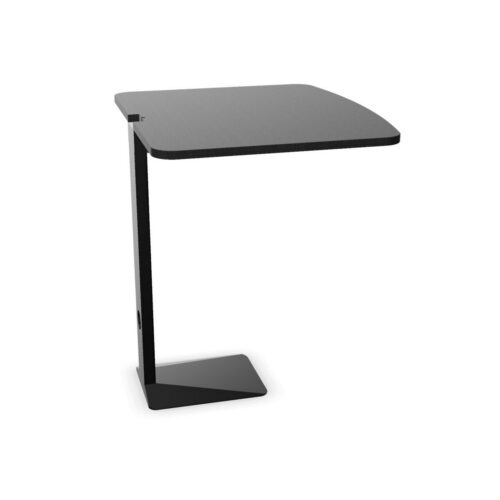
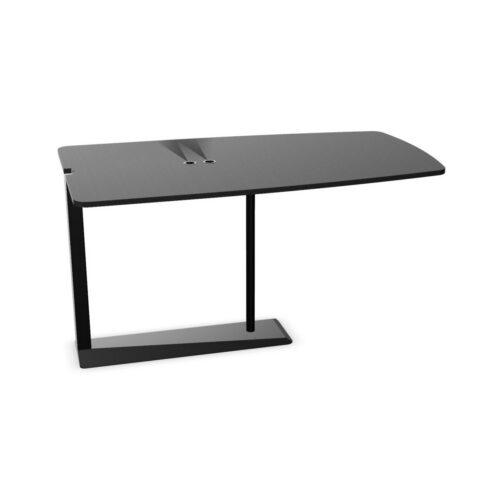


Conference Tables With Melamine Tops in Daily Use
Describe a typical meeting before making further room decisions. A discussion around printed plans uses the table differently from a presentation where attention stays on a screen. Note what participants bring, which items remain in the room and whether materials are frequently passed between people.
Use that description to organize the working surface. Shared documents should have an agreed place, while personal items should not interrupt the exchange of papers or block a view across the table. These practical habits provide useful comparison criteria without attributing unconfirmed characteristics to the melamine tabletop.
Build a Coherent Relationship With Existing Furniture
Review the actual tabletop appearance alongside chairs, storage and any workstations visible from the meeting area. The material name does not determine a color scheme. A surface that coordinates with nearby furniture may still differ in tone or finish, so assess those relationships on their own merits.
Decide which elements should carry visual emphasis. If the room already contains strong colors, the table's relationship to them matters more than an isolated preference for a particular finish. In a quieter interior, consider whether the tabletop should continue the existing palette or introduce a deliberate change.
