

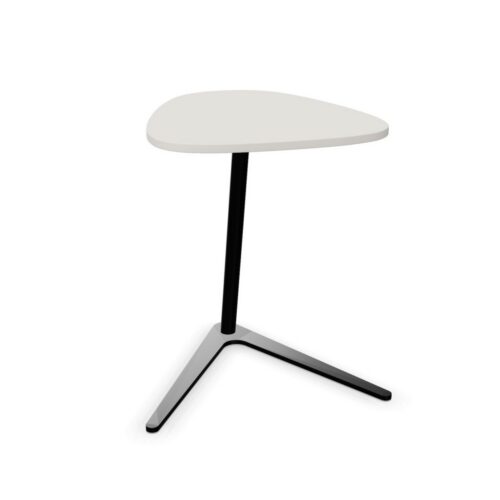
Manual Height Adjustment With Yellow Bases

The practical value of manually adjustable conference tables with yellow bases depends on whether the available positions suit the intended activity and the furniture used alongside the table. The tables here pair a yellow base with a working height that is adjusted manually. That combination brings together a visible color decision and a hands-on setup decision. Think about when the height would change, who would make the adjustment and how the table should be prepared before participants arrive.

Yellow can be treated as a deliberate accent within the meeting area. Assess it against the seating and nearby finishes without assuming a particular shade or surface appearance. At the same time, consider whether manual changes fit naturally between the room’s usual activities. A clear setup routine helps connect the table’s adjustability with its intended use, while a considered color scheme gives the base a defined relationship with the rest of the room.

9 models
From €6.19 p/m
2 models
From €5.94 p/m

Planning manually adjustable conference tables with yellow bases

Manual height adjustment asks someone to take an active role in preparing the table. Start by identifying whether changes would happen between bookings, before a particular activity or only when the room’s purpose changes. The answer helps establish who should handle setup and when it belongs in the working day. Avoid planning around a particular operating mechanism until it has been confirmed. The useful distinction at this stage is that the height can be changed manually. Connect that capability to a genuine room requirement, then consider the yellow base as part of the same overall furniture decision.

Build Adjustment Into Meeting Preparation

A manual adjustment routine should fit the way the room is managed. If several teams share the space, agree who checks the table before each session and who restores the agreed arrangement afterward. Consider what needs to happen to papers, devices and chairs before the working height changes. This is especially relevant when meetings follow one another and participants expect to start promptly. Walk through the preparation process in its intended order. A room setup is easier to understand when the responsibilities are clear and the height change has a specific purpose within the meeting schedule.

Coordinate Yellow Across Occupied Views

The yellow base will be seen differently when chairs are tucked in, pulled back or occupied. Review these ordinary views before deciding how much yellow to repeat elsewhere. Chair upholstery, wall art and storage fronts can all affect the overall balance, even if none matches the base. Choose whether the table should carry the main color accent or share that role with another element. Review the actual adjustment instructions before planning changes to the table’s working level, and check the surrounding furniture at each intended position. A preferred color does not establish whether manual adjustment suits the room’s working pattern.

Check the Layout Through a Full Session

Picture participants entering, settling in, reviewing shared material and leaving. The table’s working height needs to relate to their seats and to the activity planned for that session. Leave an understandable route to the meeting area, and account for where chairs go during preparation. If the table height changes between activities, consider whether people need to move away and where their belongings would wait. Check sightlines toward shared presentation material after the arrangement is established. These observations help assess the complete room routine without assuming a tabletop shape, a particular base structure or additional equipment.

FAQ

What should I confirm about height adjustment?

The working height is adjusted manually. Review the actual procedure in the table’s instructions, then assess the intended positions with the chairs and equipment used in the room.

Does manual adjustment identify the operating mechanism?

It establishes that adjustment is manual, but does not identify a crank, lever or other mechanism. Confirm the actual method before assigning setup tasks or deciding how the adjustment would fit between meetings.

How can yellow work with existing meeting chairs?

Assess the base beside the chairs already intended for the room. Look at their colors together from the entrance and seated positions. Matching is optional; a clear visual relationship can also come from a restrained surrounding palette.

Explore related selections