

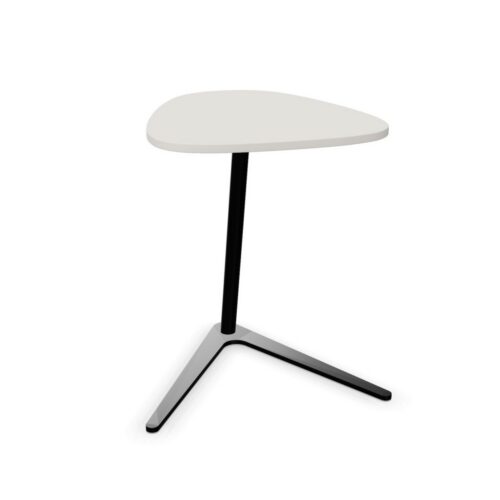
Brown Bases With Manual Conference Height Adjustment

Test the proposed tabletop position during the actual activity, noting how it relates to participants, their seats and the equipment they share. The combination here is a brown base with a manually adjustable working height. Its usefulness depends on how the room is prepared and whether changing the height supports its regular activities. Consider who would handle that change and what participants would need from the table afterward.

Brown describes the base color without establishing a material or surface pattern. Assess it beside the intended chairs, storage and other visible furnishings as a color decision in its own right. At the same time, think through the manual setup process between meetings. A coordinated room requires both a practical working arrangement and a considered palette, with neither the brown base nor the presence of adjustment standing in for a complete assessment of the space.

9 models
From €6.19 p/m
2 models
From €5.94 p/m

Planning manually adjustable conference tables with brown bases

The main functional choice is whether the table should remain at a constant working level or be adjusted manually when needed. Begin with an actual reason for making a change. It might relate to the room’s preparation for a particular activity, but that purpose should be explicit before adjustment becomes part of the routine. Establish who would take responsibility and whether changes would happen before or between sessions. Manual adjustment does not identify the operating mechanism. Confirm that separately, then assess how it fits the intended process. The brown base can be evaluated alongside this functional decision without determining its outcome.

Coordinate Brown Without Assuming a Material

Use the base color as the starting point for visual coordination. Brown does not establish that the base is wood, has a grain pattern or matches any existing furniture material. Compare its appearance with the room’s actual palette instead. Chair upholstery, storage fronts and wall colors can each influence whether the table feels connected to the setting. Decide whether brown should repeat an existing tone or provide a separate point of continuity within the room. Assess the combination with chairs in place, since the visible portions of the base can change as the seating arrangement changes.

Give Manual Setup an Owner

Shared spaces need a clear understanding of who prepares them. Decide who checks the working height, moves surrounding items when necessary and confirms the room is ready for the next meeting. Consider what happens when a team leaves a different arrangement behind. Changes to the tabletop level need to work with chair positions, presentation views and the space people use when approaching or leaving the table. Review the sequence with papers, devices and chairs included. The goal is to establish a routine that fits the actual operating method and gives arriving participants a clear, usable arrangement for their planned activity.

Assess the Seated Arrangement After Adjustment

A change in table height should be followed by a review of the seating relationship. Consider where participants sit, how they use shared material and how they turn toward a presentation area. Look at access routes with the chairs positioned for the meeting rather than tucked away. If connected devices are used, include their cords in preparation checks without assuming integrated cable storage or power provision. Brown remains a consistent color choice across these arrangements, but the working setup still needs attention each time it changes. Assess that process as part of the room’s everyday operation.

FAQ

What should I confirm about height adjustment?

The working height is adjusted manually. Review the actual procedure in the table’s instructions, then assess the intended positions with the chairs and equipment used in the room.

Does a brown base establish a wooden construction?

No. Brown is the selected color, and it does not establish a material, grain or surface treatment. Coordinate it with the room visually and assess any construction requirements separately when considering the complete table.

Should the table be adjusted during every meeting?

Only build changes into the routine when they serve the planned work. A manually adjustable table can be prepared for a particular session beforehand. Decide when adjustment is useful and who should handle it using the confirmed operating method.

Explore related selections