

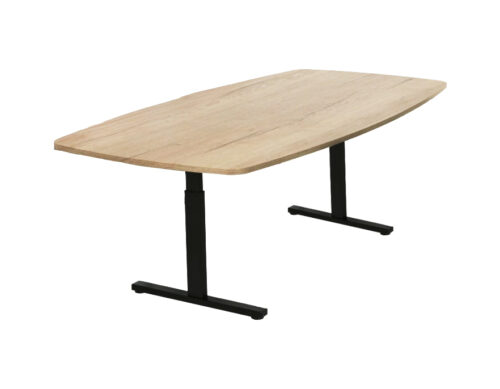
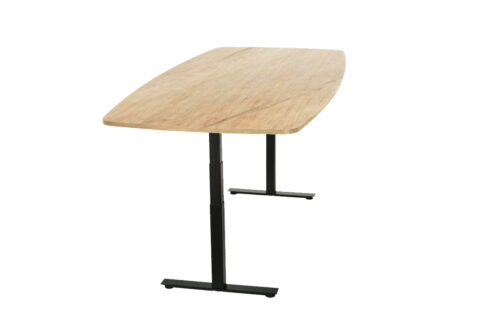
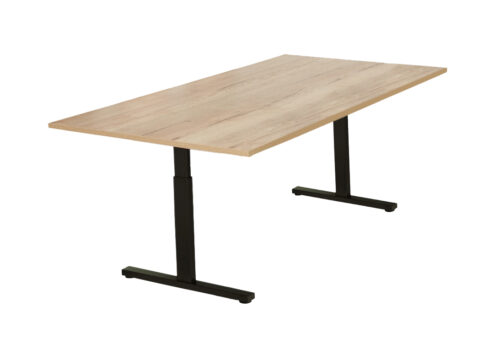
Manual-Adjust Conference Tables Without Stacking

The adjustment property alone does not establish the usable height range, the control layout or the procedure required before moving the tabletop. With this combination, the working level can be changed manually, while the tables cannot be stacked together for storage. These characteristics address different parts of room use: adjustment concerns the meeting surface, while non-stackability affects how tables are accommodated when the room is rearranged or temporarily cleared.

Plan around a table that needs its own floor position even when it is not being used for a meeting. Then consider when manual adjustment will be useful and how it fits into preparation. A room with varied activities may benefit from different working levels, provided the adjustment procedure and available settings suit those activities. Neither manual adjustment nor non-stackability establishes whether the table is mobile, so consider movement requirements separately.

€11.05 p/m
€27.04 p/m
€6.13 p/m

Planning manually adjustable non-stackable conference tables

The meaningful difference is whether the working level needs to change. Both non-stackable arrangements require floor space when tables are set aside, but a manually adjustable table adds a preparation step when a different level is wanted. Identify the activities that justify that step before planning the room around it.

For example, separate meetings may have different working preferences without requiring the room to be emptied. Manual adjustment can be considered for that pattern if the available settings are suitable. Check the actual adjustment procedure rather than assuming how quickly it happens, how many people are involved or what equipment it requires.

Give Every Table a Place Between Meetings

Non-stackability matters when a room changes purpose. If tables need to leave the main meeting arrangement, identify where each one will stand. That position should preserve access to doors, storage and other regularly used areas. Treat the alternative arrangement as a complete room plan rather than an improvised place to put furniture.

Check how chairs fit around tables in both the meeting and resting arrangements. A clear central area can still leave awkward routes around the perimeter if furniture is grouped without considering movement. Do not assume that manual height adjustment provides any storage advantage; it changes the working level, not the table's stated stacking capability.

Build Manual Adjustment Into Preparation

Agree when changes should happen and who is responsible for following the adjustment instructions. Preparing the table before participants settle in can make the transition easier to organize. Review items on and around the surface, and follow the specified procedure whenever the working level needs to change.

A clear adjustment routine for manually adjustable non-stackable conference tables should identify who prepares the table and the arrangement expected after each session. An adjustable surface is useful only where the intended level can be achieved and the procedure suits the workplace routine. Consider how the table will be returned to the usual arrangement after an activity so the next group knows what to expect.

Test Seating at the Intended Working Levels

A manually adjustable surface should be assessed alongside the chairs and the people using it. Check arm placement, seated posture and access beneath the table at the settings you intend to use. An adjustment that suits an activity may still call for a different seating arrangement around the surface.

Walk the routes between the table, room entrance and any shared presentation area. Repeat that check in the alternative floor arrangement if tables will sometimes be set aside. Since the tables cannot stack, the room must accommodate their separate positions while preserving practical access for participants and anyone preparing the space.

Questions About Manual Adjustment and Storage

What should I confirm about height adjustment?

The working height is adjusted manually. Review the actual procedure in the table’s instructions, then assess the intended positions with the chairs and equipment used in the room.

Can manual adjustment replace a storage plan?

No. Changing the working level does not make these tables stackable. If they will be set aside, allocate floor positions that keep doors and walking routes accessible. Check the adjustment instructions separately from the practical arrangements for relocating or storing furniture.

Does non-stackable mean the table cannot move?

Non-stackability describes whether tables can be stacked together. It does not establish mobility. Review movement requirements independently, especially where the room changes layout, and plan a practical destination for each table before relying on frequent rearrangement.

Explore related selections