


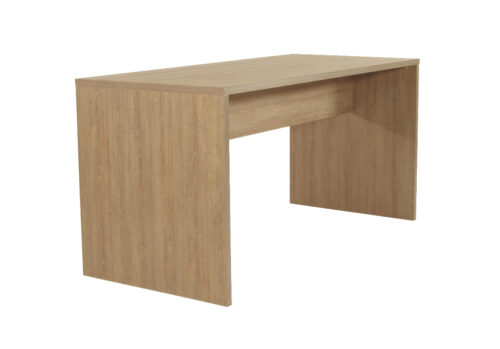
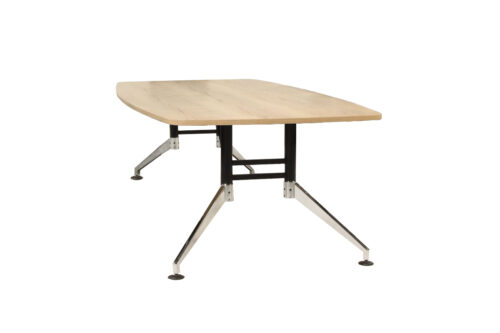
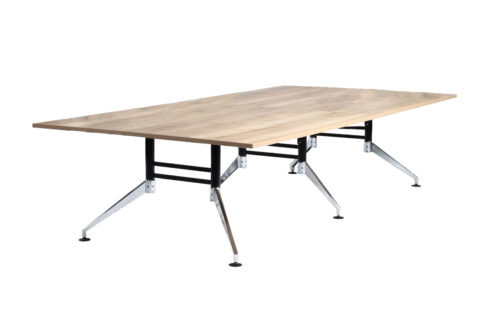
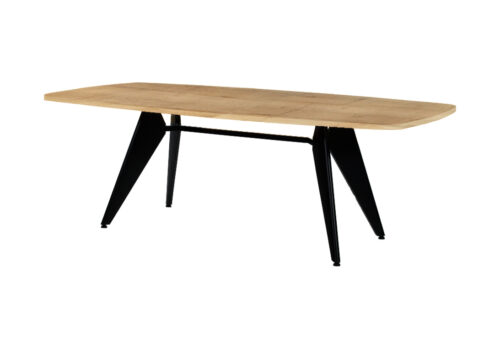
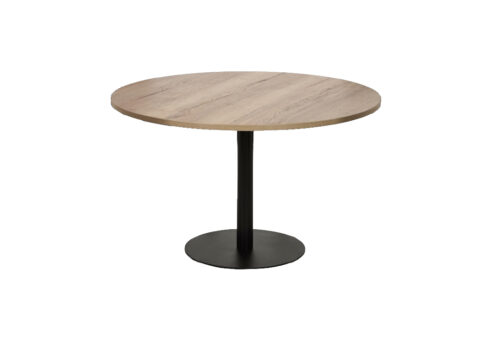
Position Fixed-Height Stationary Conference Tables First
Begin with the table's relationship to the room entrance and any shared presentation area. A well-chosen position should allow participants to approach their seats without crossing the main discussion space unnecessarily. Check how the arrangement works when people arrive after a meeting has started or leave before it ends.
Because the table is stationary, plan the room around its continuing presence rather than depending on quick relocation. Look at access to storage and other furniture as part of the same exercise. An established table position is useful only when it leaves the rest of the room workable during ordinary daily activities.
Choose Seating for the Fixed Working Level
The absence of height adjustment makes the chair relationship especially relevant. Evaluate how participants sit at the surface, where their arms rest and whether they can bring their work into a comfortable position. Include chairs in the planning process from the beginning instead of treating them as a separate finishing decision.
Review the arrangement with the people expected to use it. Different access and posture requirements may affect which seats work best and how the approach should remain clear. Fixed-height stationary conference tables provide no change in surface level, so any accommodation must be assessed through the complete room and seating arrangement.
