

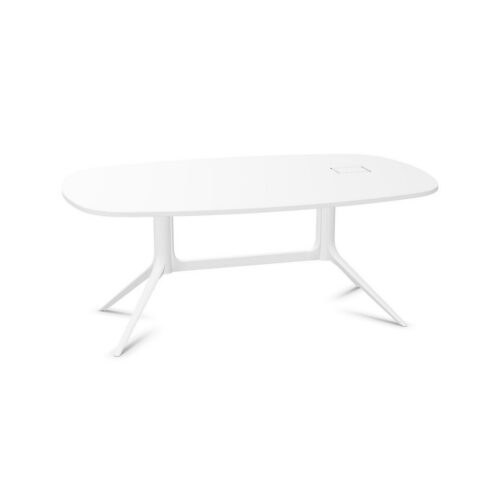
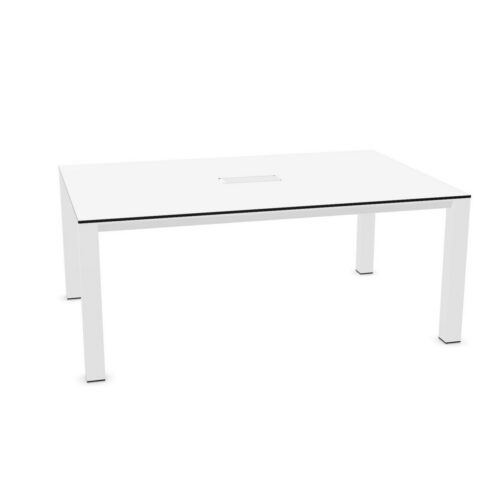
Oak Conference Tables With Adjustable Height

For height-adjustable conference tables with oak tops, establish which working positions the room actually needs before deciding how often to change the setup. This combination includes an oak tabletop and height adjustment, bringing material coordination and changing working positions into the same room plan. The operating method remains unspecified, so confirm how adjustments are made before establishing a preparation routine or planning changes during a meeting.

Consider the actual oak appearance alongside existing furniture, then review the positions required by the room’s activities. Height-adjustable oak conference tables should be assessed with their intended chairs, surrounding storage and shared equipment in mind. Neither the oak material nor the presence of adjustment confirms a particular construction, surface treatment or adjustment range. A practical selection process connects the details of the actual table with the people and tasks the room needs to support throughout its working day.


Relate the Oak Top to the Room's Existing Character

Look at the actual tabletop beside doors, cabinets, seating and flooring. Consider the relationship between these visible materials rather than expecting every oak element to match. The selected material does not establish a particular tone, treatment or construction, so examine those details independently.

Once the visual relationship is understood, consider the table at the working positions you intend to use. Nearby furniture should remain practical as the tabletop level changes. An arrangement that appears coordinated in a settled room still needs to accommodate the movements and preparation involved in everyday meetings.

Planning height-adjustable conference tables with oak tops

Assess height-adjustable conference tables with oak tops with the chairs and equipment that participants will use, considering the complete working arrangement at each intended position. The adjustable combination allows that level to change, which is useful only where the available positions serve the room's activities. Identify those activities before deciding how adjustment should feature in the working routine.

Check the actual adjustment range and operating method separately. Neither is defined simply by the presence of height adjustment. If the room mainly supports the same seated discussions, compare that consistency with any specific need for another level, including how the change would be prepared and managed.

Keep Seating and Circulation Practical During Changes

Assess chairs in relation to each intended tabletop position. Review their arms, the approach to the surface and the way people move away from their places. Consider nearby storage and anything kept beneath the table, since their relationship with the surface may change during adjustment.

If a different working arrangement requires chairs to move aside, identify where they will remain. Keep the route from the entrance clear and preserve access to shared room equipment. Adjustable conference tables with oak tops need a surrounding layout that supports the intended transitions as well as the settled meeting arrangement.

Agree How the Shared Surface Is Prepared

Decide where documents, personal belongings and group equipment belong during normal use. Then review what the confirmed operating instructions require before a height change. Avoid assuming that objects can remain on the oak surface or that connected devices can move with it without preparation.

Assign responsibility for leaving the room ready for its next use. This may involve returning the table to an agreed position, arranging chairs and following the actual surface-care guidance. Keeping these tasks clear connects the oak material and adjustable working level with a repeatable routine for different teams.

Keep the height-setting routine consistent with the room’s booking pattern so the next group knows how the furniture has been prepared.

The adjustment property alone does not establish the usable height range, the control layout or the procedure required before moving the tabletop.

FAQ About Adjustable Oak Conference Tables

Is a particular oak construction confirmed?

No. Oak is the selected tabletop material, but the combination does not establish a specific construction or treatment. Confirm those details separately when assessing the actual surface, its appearance and the care routine appropriate to it.

Does height adjustment mean the table supports standing work?

That cannot be assumed. Review the actual adjustment range against the intended activity and users. Also check the surrounding furniture arrangement before planning a meeting format that depends on a particular working position.

Who should change the table's working level?

Assign responsibility after confirming the operating method and instructions. In a shared room, agree when changes should happen and what starting position the next team expects, so preparation follows a clear and understood routine.

Explore related selections