



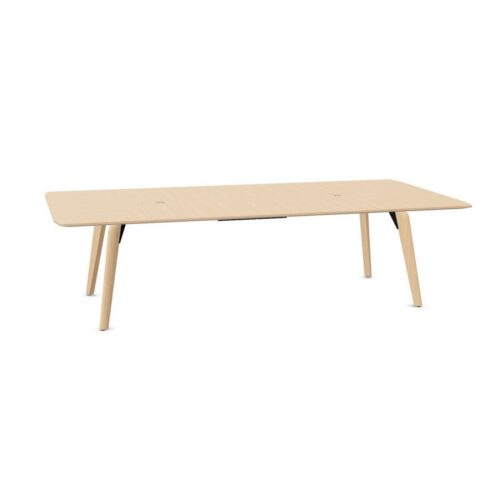


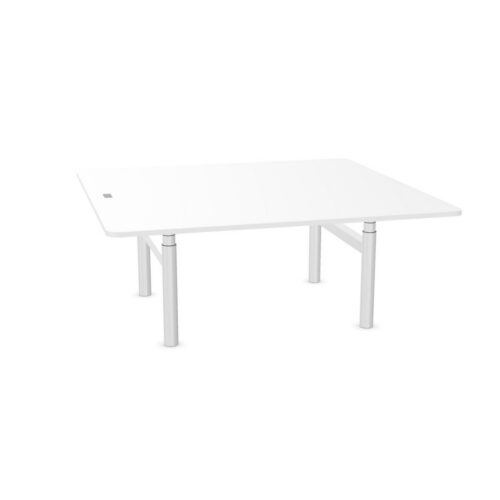


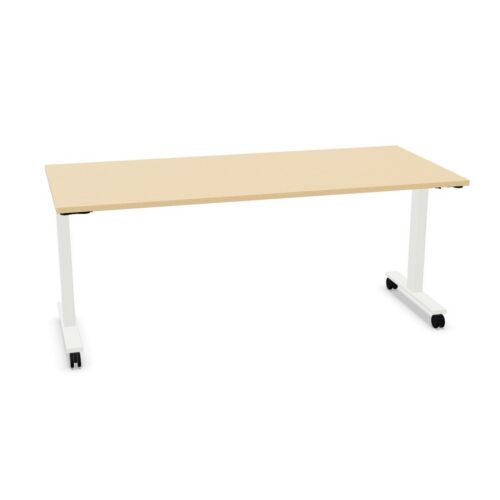
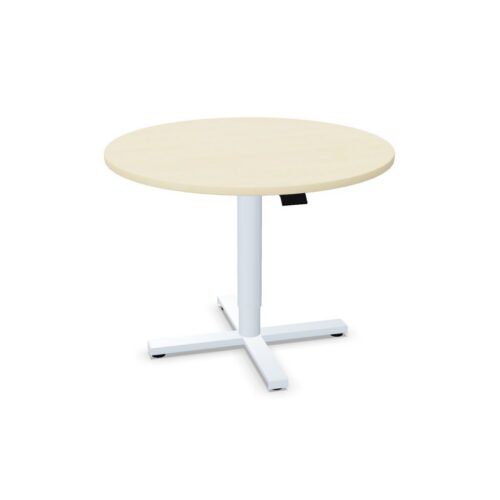


Planning height-adjustable conference tables
Identify the reason for changing the meeting surface level. Different activities or user requirements may call for adjustment, but a room used in the same way throughout the day may have fewer occasions to use it. Describe the actual transition you expect, including who makes the change and when.
Keep that discussion separate from assumptions about the adjustment method. The selected characteristic establishes that height can change, without specifying how it changes. Review the operating procedure and available settings before deciding whether the table suits your intended meeting format. This gives the comparison a practical basis tied to everyday work.
Review the Room at Different Settings
Check the relationship between the table and neighboring furniture wherever you expect to use it. Chair arms, stored belongings and items beside the surface can affect an adjustment. Keep the surrounding arrangement clear enough for the intended movement, following the instructions supplied for the particular table.
Think beyond the moment of adjustment. Participants still need to approach their places, reach shared materials and leave comfortably once the surface is set. Test those actions in each intended arrangement. A working level that supports an activity is only useful when the seating and circulation also support the people taking part.
