






Planning Conference Tables With Oak Tops and Transparent Surfaces
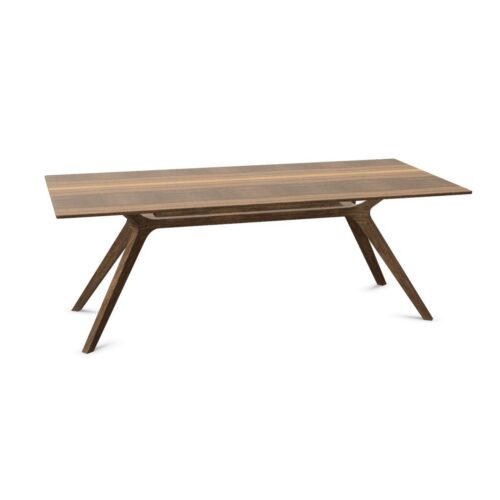
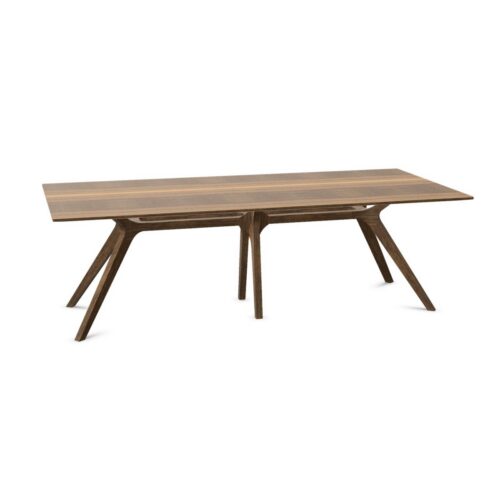
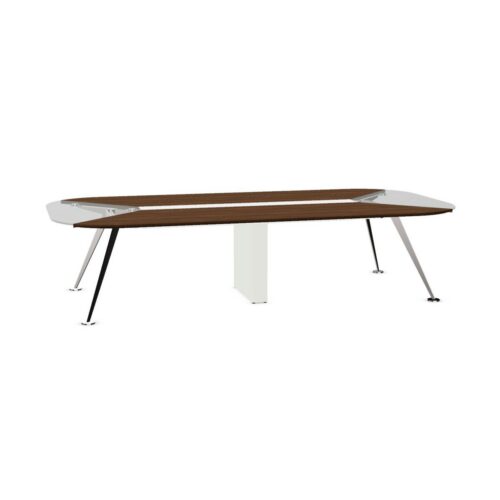
The most useful starting point is to separate what you know from what appearance might suggest. Oak identifies the tabletop material. A transparent surface appearance does not, by itself, explain the complete construction or establish how much of the material beneath it will be visible. Assess the actual visual treatment before coordinating other furniture.
Build your room plan around the table's role in meetings. Identify where participants will sit, where someone may stand to present and how people will approach their seats. These decisions remain relevant regardless of the precise relationship between the oak top and its transparent appearance.
Coordinate Neighboring Surfaces With Care
Oak tables with transparent surfaces deserve a considered relationship with surrounding finishes. An adjacent cabinet or shared work surface may introduce another wood appearance, but it need not look identical. Compare undertones and visual emphasis rather than assuming that every oak element will match.
Keep the comparison focused on what people will see together. Wall treatments behind seated participants, nearby storage and chairs all affect the overall composition. If several surfaces compete for attention, simplify the surrounding palette. This gives the meeting area a clearer visual order without requiring the table to have any particular grain, coating or decorative treatment.
