

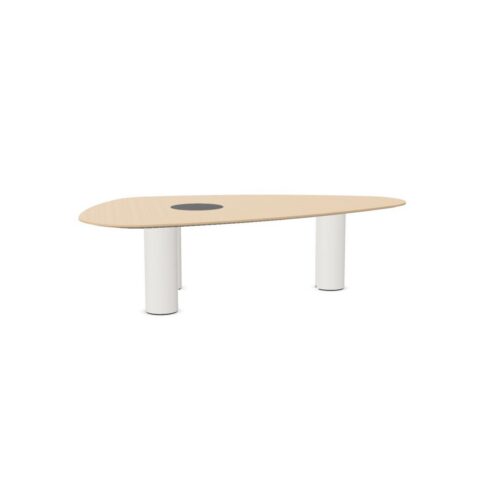
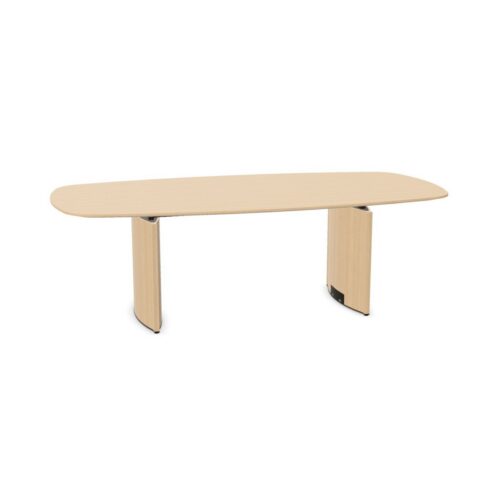
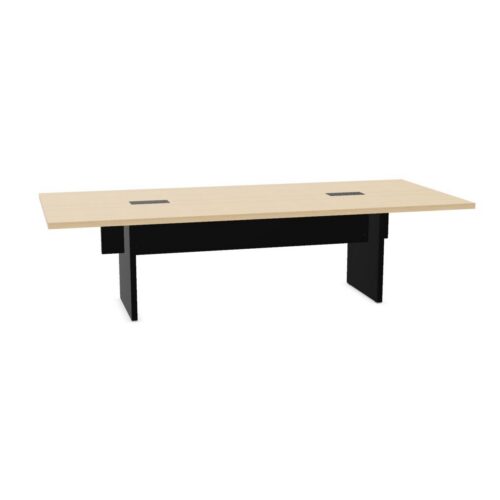
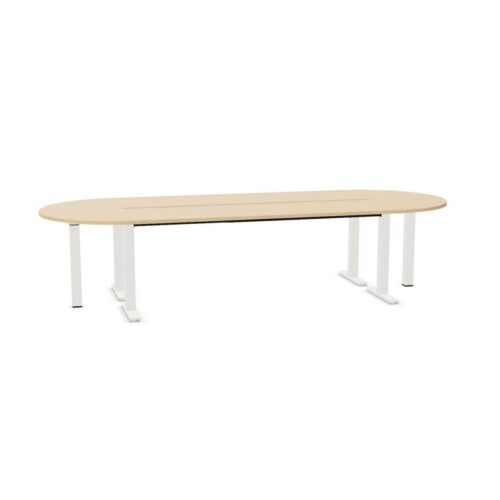
Beige Oval Surfaces for Shared Meetings

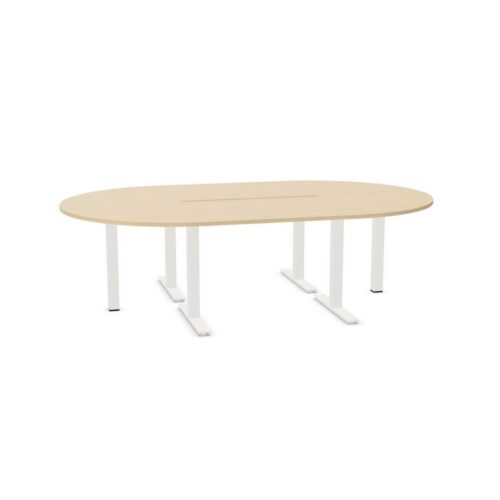
Conference tables with oval tops and beige surfaces combine a rounded meeting outline with a beige tabletop color. This pairing calls for careful comparison with nearby neutral tones, especially where walls, flooring or chairs already use related colors. Beige does not establish a single appearance, so review the actual surface in the room’s lighting. Decide whether the table should blend with its surroundings or remain distinct through the colors immediately beside it.

Begin the layout at the entrance and follow the route to the intended chairs. The oval perimeter changes direction around its ends, affecting how seats face the group and how people pass behind them. Consider those movements with the room occupied, then check access to any display, writing wall or storage. Keep the color decision connected to this practical plan without assuming that a coordinated appearance guarantees a workable meeting arrangement.

9 models
From €22.04 p/m
3 models
From €25.99 p/m
8 models
From €12.16 p/m
8 models
From €30.83 p/m
7 models
From €21.96 p/m
30 models
From €16.42 p/m
5 models
From €25.05 p/m
2 models
From €147.37 p/m
2 models
From €31.86 p/m
2 models
From €31.28 p/m
2 models
From €35.10 p/m
3 models
From €29.36 p/m
13 models
From €8.10 p/m
2 models
From €34.54 p/m
€33.74 p/m
€30.46 p/m
28 models
From €18.24 p/m
2 models
From €85.07 p/m
3 models
From €99.55 p/m
15 models
From €16.44 p/m
18 models
From €19.86 p/m

Conference tables with oval tops and beige surfaces near other neutrals

Compare beige with the colors directly around the tabletop. A nearby wall or chair may use a related neutral yet look different when seen beside the surface. Decide whether those differences create the relationship you want. Review the floor as well, since it forms the background to the table and seating when viewed across the room.

Beige oval conference tables can be coordinated through contrast as well as similarity. Consider whether the chairs should define the table's perimeter visually or continue the surrounding palette. Base that decision on the actual combination under everyday lighting rather than assuming all neutral colors work together automatically.

Make the entrance route part of the seating plan

Follow the path from the doorway to each intended seat. The nearest place is not always the easiest to reach if the route passes behind an occupied chair. Review where people pause, turn and set down belongings. Keep the doorway usable when someone at the table stands or moves their chair back during a meeting.

The oval ends deserve particular attention where they face the entrance. Their curved outline changes the route, but chairs and people still occupy the surrounding area. Assess the complete arrangement in use, including movement toward seats farther from the door and access for someone arriving after the meeting has begun.

Balance conversation with the presentation direction

Arrange chairs around the curve according to how participants communicate. End positions may naturally face a different direction from those along the sides. Check whether each place supports conversation across the table and whether participants can turn toward colleagues without moving into a neighboring position. Let the meeting activity guide the arrangement rather than symmetry alone.

If a display or writing wall is used, assess its view from the same chairs. Consider any change in orientation required between discussion and presentation. Keep the movement practical and review the routes behind the chairs in both arrangements, especially where the presentation area sits beside an end of the table.

Verify practical details beyond color and shape

The selected properties establish an oval top and a beige surface, leaving the support arrangement and surface characteristics to be checked separately. Do not infer texture, gloss or construction from the color. Examine the actual supports before deciding exactly where chairs belong, paying attention to the approach around the curved ends.

When assessing conference tables with beige oval tops, also consider everyday shared work. Decide where documents, notebooks and meeting equipment will sit, and check whether participants can use them from their intended positions. Keep the routes to storage and the exit clear of belongings rather than allowing those items to occupy gaps in the seating plan.

Questions about beige oval conference spaces

Should beige match the surrounding neutrals closely?

That depends on the intended appearance. Compare the actual tones together and decide whether a close relationship or visible distinction suits the room, including the chairs that sit directly beside the tabletop.

How can late arrivals reach their chairs?

Plan the route with other chairs occupied. Check the approach from the doorway and avoid making access depend on a seated participant moving. Include the curved end positions in this review.

Does the color establish a matte finish?

No. Beige oval conference tables need separate assessment for finish and texture. The selected color does not establish either characteristic, and neither should be assumed when coordinating the table with existing furniture.

For conference tables with oval tops and beige surfaces, map the intended seats before deciding how the table will sit within the room.

Keep conference tables with oval tops and beige surfaces in view while comparing placement, access and the surrounding interior.

Explore related selections