

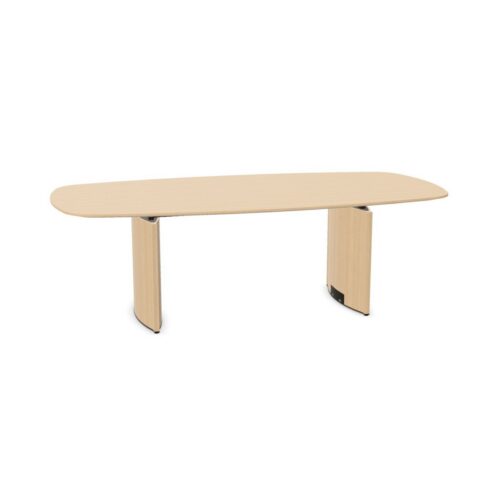
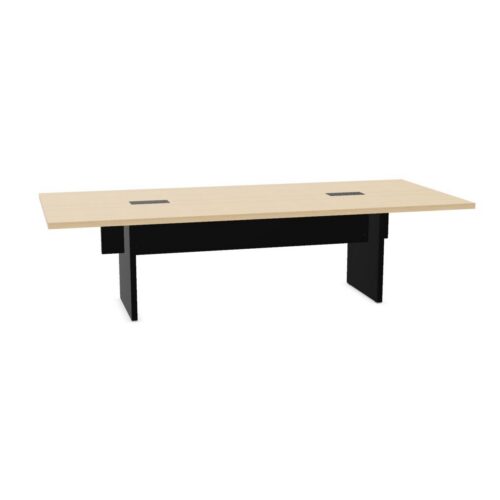
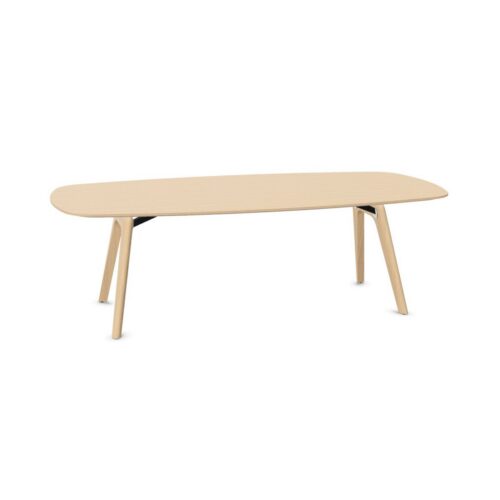
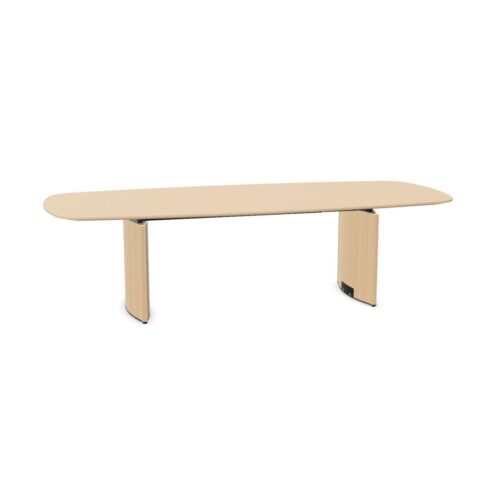
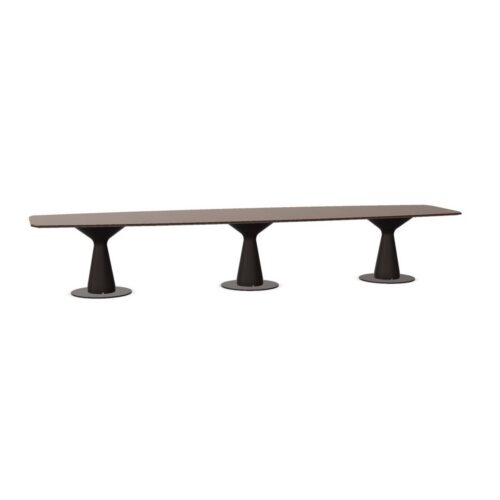
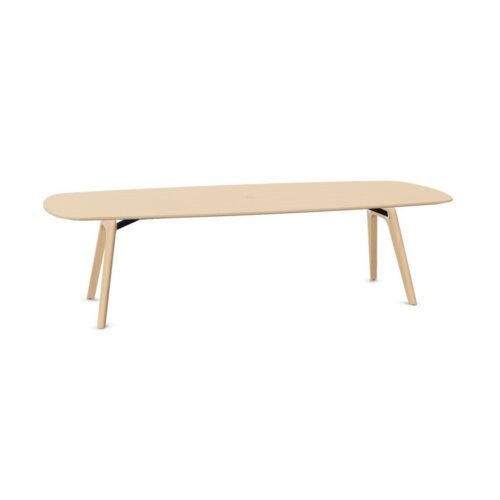
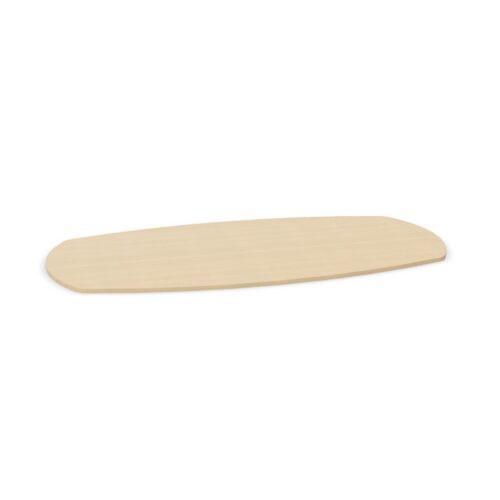
Beige Conference Tables With Both Sides Rounded

Conference tables with tops rounded on both sides and beige surfaces pair a light neutral color with rounded tabletop portions that need careful seating placement. Review the beige with the surrounding floor, walls and chairs, then assess the outline through the working positions it creates. The combination is most useful to consider within the complete room, where visual relationships and everyday movement both affect how the meeting area functions.

Start by tracing the approach from the doorway to each intended seat. Include the movement of chairs, access to shared materials and the direction of any presentation area. Then return to the color arrangement: beige should be compared with the actual nearby finishes rather than assumed to coordinate with every neutral. A considered layout gives the surface a clear visual relationship with the room while keeping working areas and the routes around the rounded portions practical.

8 models
From €12.16 p/m
8 models
From €30.83 p/m
30 models
From €16.42 p/m
5 models
From €25.05 p/m
2 models
From €9.37 p/m
13 models
From €8.10 p/m
5 models
From €10.64 p/m
2 models
From €125.31 p/m
€7.77 p/m
12 models
From €2.99 p/m
€25.85 p/m
12 models
From €55.42 p/m
3 models
From €39.32 p/m
2 models
From €18.08 p/m
2 models
From €5.54 p/m
18 models
From €42.84 p/m
8 models
From €23.66 p/m
10 models
From €14.47 p/m
11 models
From €6.67 p/m

Beige Conference Tables Rounded on Both Sides

Begin with the relationship between the tabletop and the elements immediately around it. Beige may sit alongside other neutral finishes, but those combinations still need to be viewed together under the room's ordinary lighting. The rounded portions require a separate check through chair placement and access. Bring the two assessments together by looking at the arrangement from the entrance, then taking the intended seated viewpoints. Notice where chairs frame the surface, where the tabletop meets the visual background of the floor and how the room is approached. This connects color coordination with the actual experience of arriving for a meeting.

Distinguish the Table Within a Neutral Palette

A neutral room can contain many different tones across walls, flooring, chairs and storage. Compare them as a group before deciding how the beige surface should relate to them. Beige conference tables with both sides rounded can be coordinated through similar tones or through a deliberate contrast with nearby seating. The aim is a clear visual relationship, rather than matching every item. Check the table from across the room as well as at a seated position, where its surroundings appear differently. Avoid assuming a particular texture or sheen from the color description; assess the actual surface appearance in its intended lighting context.

Test Approaches With Chairs in Working Positions

Follow the route to each seat while accounting for the space used by people already at the table. Rounded portions should be checked individually because the chair angle and approach may differ along the outline. For conference tables with beige surfaces and tops rounded on both sides, include nearby doors, storage and presentation equipment in the same review. A clear route should connect the entrance with the intended seats without passing through another person's working position. Consider where personal belongings are placed during meetings and give them a practical location that keeps chair movement and everyday circulation around the table straightforward.

Give Each Working Position a Clear Purpose

Look at the activities expected at each part of the table: taking notes, using individual materials, exchanging documents or following shared information. Arrange chairs along the rounded outline with those tasks in mind. Beige rounded-side conference tables should be assessed with the room's regular meeting routine in place, rather than as an empty surface. Check where shared papers belong and whether every intended seat has a useful viewing direction toward the presentation area. Keep occasional supplies outside the main working areas. This leaves a clearer arrangement for the next group and makes it easier to restore the room after a session with different activities.

Compare how conference tables with tops rounded on both sides and beige surfaces relates to chair positions and shared views in the intended room.

Assess conference tables with tops rounded on both sides and beige surfaces alongside circulation and the meeting's main viewing direction.

For conference tables with tops rounded on both sides and beige surfaces, map the intended seats before deciding how the table will sit within the room.

FAQ About Beige Tables With Rounded Sides

Will beige coordinate with every neutral room?

The relationship depends on the actual surrounding tones and lighting. Compare the beige surface with the floor, chairs and walls together, then decide whether close coordination or a clearer contrast suits the room's composition.

Where should chair access be checked most carefully?

Check each intended position beside the rounded portions, particularly near doors, storage or equipment. Review the approach with neighboring chairs occupied so the plan reflects movement during a meeting, rather than only an empty room.

How can working areas stay clear between meetings?

Give shared supplies and personal belongings suitable places away from the main working surface and circulation routes. Restore chairs to their intended positions and remove leftover materials so the next group can use the arrangement immediately.

Explore related selections