



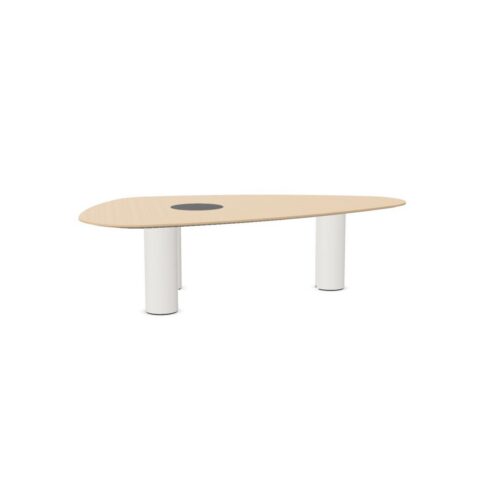

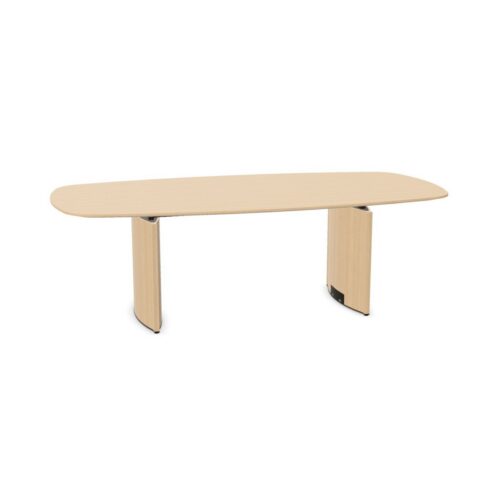


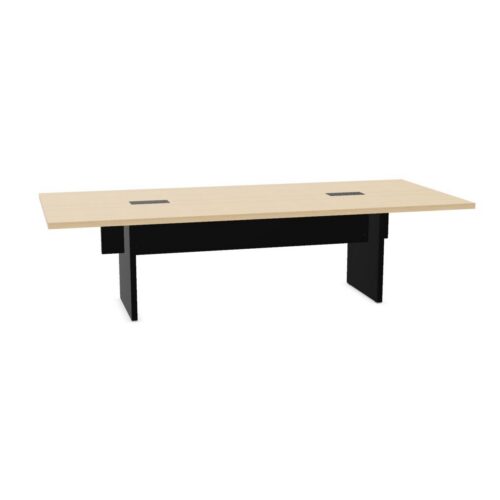


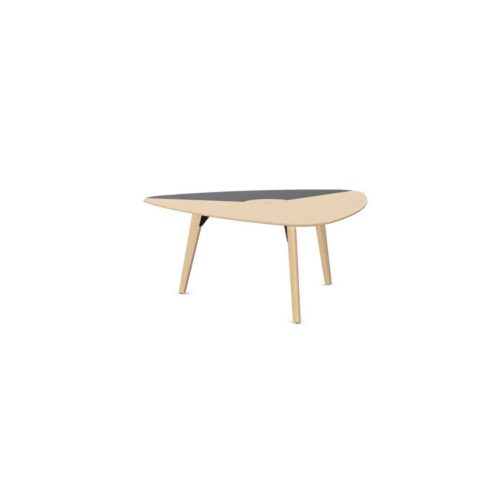


Comparing Conference Tables With Oval Tops and Wood Surfaces
Separate appearance from construction when evaluating this combination. A wood-colored surface provides a visual relationship with other finishes, but the color description does not establish a material, treatment or maintenance requirement. For room planning, focus on the appearance you can assess: how the tabletop relates to the floor, doors and nearby storage. Decide whether these elements should share a similar visual direction or remain distinct. An exact-looking match is not the only coherent approach. Consider the whole room composition before introducing additional wood-toned accessories that may complicate the relationship between existing finishes.
Arrange Chairs Along the Oval Perimeter
Plan seating around the activities that take place most often. For a discussion, consider how participants face one another and where shared papers will be placed. Around the curved ends, check the relationship between neighboring chairs rather than simply continuing the arrangement used along the sides. Include the act of sitting down and standing up in the review. If presentations are frequent, assess the turn needed toward the display from each place. The tabletop outline is only part of the arrangement; occupied chairs and the direction participants face establish how the meeting functions.
Coordinate Wood Tones Across the Room
Oval conference tables with wood surfaces should be considered within the room's existing mix of finishes. Flooring may create a broad visual background, while doors and storage introduce separate vertical elements. Compare the tabletop with all of them rather than judging it against a single item. Chairs can help distinguish the meeting surface from surrounding wood tones, depending on their appearance. Look from the doorway and from a seated viewpoint, where the tabletop occupies more of the view. Avoid assuming that similar color names guarantee a close visual relationship between different furnishings.
