

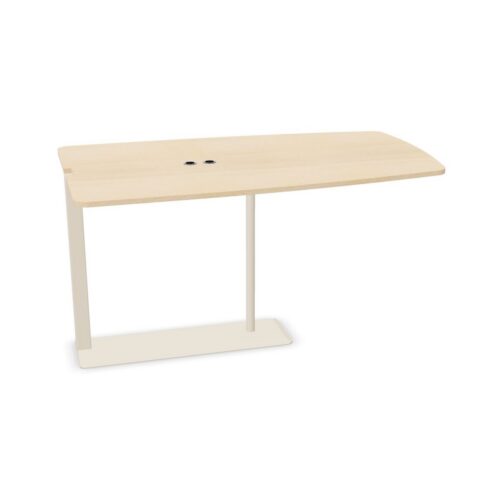
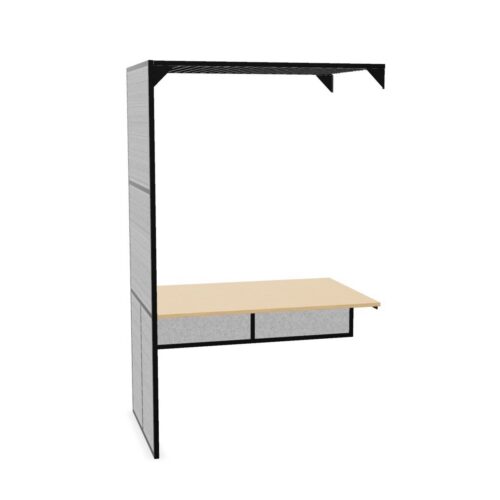
Wood-Color Surfaces for Conference Rooms

Conference tables with wood surfaces are considered here through their wood-color appearance. That description provides a visual starting point without establishing the tabletop material or a particular wood species. Compare the color with existing doors, storage and flooring to decide whether the meeting table should relate closely to those elements or create a deliberate difference.

Rooms can contain several wood-colored finishes that do not match exactly. Look at how they appear together from the doorway and from seated positions, rather than expecting a shared description to guarantee consistency. Chair colors can help connect or distinguish the tabletop within that arrangement. Keep the practical meeting plan equally clear: allow straightforward access to seats, preserve useful presentation views and consider where shared materials will be placed. Evaluate construction, texture and care requirements separately from the visible wood-color relationship.

Price on request
Price on request
Price on request
Price on request
Price on request
7 models
From €41.00 p/m
3 models
From €35.88 p/m
2 models
From €54.73 p/m
5 models
From €41.00 p/m
3 models
From €51.25 p/m
2 models
From €41.00 p/m
2 models
From €41.00 p/m
6 models
From €54.73 p/m
6 models
From €41.00 p/m
8 models
From €54.73 p/m
4 models
From €51.25 p/m
3 models
From €41.00 p/m
6 models
From €51.25 p/m
8 models
From €41.00 p/m
4 models
From €30.13 p/m

Comparing Conference Tables With Wood Surfaces

Begin with the wood-colored elements already present in the room. Doors, storage fronts and flooring may each have a different appearance. Compare the tabletop against them as a group, identifying which relationship matters most from the positions used during meetings rather than trying to match every element independently.

A close visual relationship can connect furniture and fixed finishes, while a clearer difference can keep them distinct. Decide which result suits the existing room. Assess the actual colors together, since the general description wood does not specify a particular tone or guarantee a match between separate surfaces.

Distinguish Appearance From Material

Keep the color decision separate from questions about what the tabletop is made from. A wood-color appearance does not establish solid wood, a wood species or any other material composition. It also provides no basis for assuming a particular texture, surface treatment or maintenance routine.

If those characteristics matter to the intended meeting use, assess them through specific information about the surface. The visual comparison can proceed on its own terms: how the table relates to the room, where it should draw attention and which surrounding finishes should connect with its appearance.

Use Seating to Connect Different Finishes

For conference tables with wood surfaces, chair colors can provide a useful link between the tabletop and the rest of the room. Assess seating beside both the table and nearby fixed finishes. A chair color may relate well to each without requiring those finishes to match one another.

Review the chairs in the positions participants will use. The flooring visible around them forms part of the same composition. Maintain clear approaches to seating and consider the direction people face during presentations, so the chosen color relationships support an arrangement based on actual meeting activities.

Review the Room Beyond the Tabletop

Look at the view toward screens, boards and speakers as well as the view of the table itself. A wood-color appearance does not establish how the surface reflects light. Check relevant lighting conditions and any visible reflections directly, particularly where shared content is central to the room's use.

Include ordinary meeting objects in the assessment. Papers and equipment change the visible tabletop area and may introduce other colors into the arrangement. Keep shared materials accessible and preserve routes around occupied chairs. If the room opens onto another workplace area, also review how the wood-color relationships continue through the doorway.

FAQ About Wood-Color Conference Surfaces

Does this description establish solid wood?

No. The selected property concerns surface color. It does not establish solid wood, a particular species or another material composition. Determine the actual material separately if it affects your requirements for the meeting room.

Should the tabletop match the flooring?

An exact match is optional. Compare the actual appearances and decide whether continuity or distinction is more useful. Include doors, storage and seating in that comparison so the relationship works across the room rather than only between adjacent surfaces.

What should guide the overall color decision?

Assess conference tables with wood surfaces as part of the room's existing finish palette. Give priority to intentional relationships, practical seating access and useful presentation views, while keeping material and maintenance questions separate from appearance.

Explore related selections