

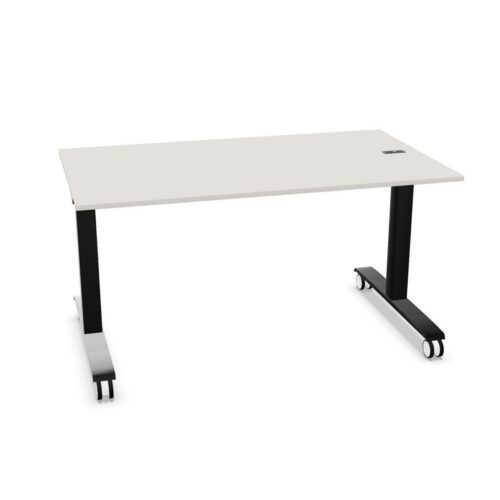
Electric Height Adjustment for Rectangular Conference Tables

For electrically adjustable rectangular conference tables, establish which working positions the room actually needs before deciding how often to change the setup. This combination brings a straight-edged tabletop together with an electrically adjustable working level. The rectangular outline informs seating and room orientation, while electric adjustment adds operating and connection considerations. Assess both around the meeting activities the room needs to support.

Plan where participants will sit along the edges and how the table should face any shared presentation area. Then review the working positions required and how changes will be managed. Electric adjustment does not establish a particular control layout or additional operating features. Confirm the actual procedure before creating room instructions. Include the table’s electrical connection and any equipment on the surface in the layout review, so that the intended changes in height fit the arrangement of chairs, nearby furniture and everyday circulation.


Planning electrically adjustable rectangular conference tables

The adjustment property alone does not establish the usable height range, the control layout or the procedure required before moving the tabletop. The relevant comparison is how that change supports the room's actual activities. Identify which meetings need a different position and confirm that the table supports the intended use. The rectangular outline remains a separate planning factor: straight edges help define the seating arrangement, but they do not establish chair access beneath the surface. Assess the height function alongside the proposed chairs, discussion format and orientation toward any presentation area.

Use the Rectangular Outline to Plan Orientation

Consider how the table's long direction relates to the room and its main focal point. Review seating along the sides and at the ends, checking how participants face one another and any shared display. Do not assume every edge should be used for chairs. An end may need to remain clear for access or the meeting's presentation arrangement. Inspect the base before assigning positions, since a rectangular top does not establish unrestricted leg access. Walk through the route from the entrance to the intended seats with chairs in their normal working positions.

Coordinate Electrical Connections With Table Movement

Include the electrical supply in the room plan from the beginning. Check how the table connects and how that connection behaves when the working height changes. If other equipment is used on the surface, review its connections as well. Keep leads away from normal walking routes and assess whether nearby furniture interferes with their intended path. Follow the confirmed operating instructions when preparing the table. Electric adjustment alone does not establish cable management features, so base the arrangement on what is actually present and how the room will be used during meetings.

Define a Clear Adjustment Routine

Record a normal starting arrangement for the room, then establish when changing the table height would help the next activity. Decide who will set the working position and whether changes are expected before or during a session. Review chairs and surrounding objects before operating the table, following its actual instructions. Do not assume additional control functions from the presence of electric adjustment. Keep the routine understandable for teams that share the room. A useful final check follows a normal meeting from arrival through discussion to departure, including any planned change in the surface's working position.

Frequently Asked Questions

Does electric adjustment include preset positions?

No preset function is established by this combination. Electric height adjustment identifies the means of changing height, while any additional control features need separate confirmation before they become part of the setup routine.

Should every rectangular edge have chairs?

Not necessarily. Base the seating arrangement on leg access, discussion needs, presentation views and circulation. An edge may be better left clear when it forms part of the room's normal access route.

What should I confirm about height adjustment?

The table has electric height adjustment. Confirm how its actual controls operate and review the intended working positions with the room’s chairs, equipment and surrounding furniture.

Check the actual operating instructions before deciding who will adjust the table or when changes should happen. The selected height property does not establish whether adjustment is appropriate with items on the surface, so make that part of the specification review.

Explore related selections