







Orienting Conference Tables With Rectangular Tops
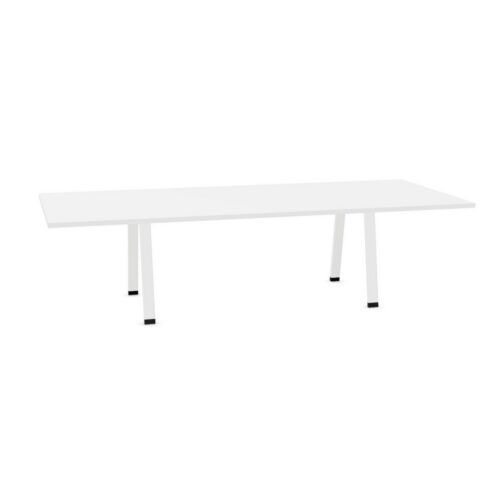
The straight edges of a rectangular top provide useful references for room alignment. Start by identifying the main focus: a presentation wall, shared writing area or discussion across the table. Then consider whether the table should follow that direction. Alignment with the walls can create an orderly appearance, but it should not outweigh the needs of the meeting. Check whether participants along the sides must turn repeatedly toward a display. Also review the end positions, which may face the presentation directly or have it behind them. Choose the orientation that best supports the activities the room regularly hosts.
Plan Corners as Part of the Seating Layout
Corners mark a change between side and end seating. Avoid placing chairs solely by dividing up the perimeter visually. Instead, consider where people will put their arms, papers and personal work items. Neighboring positions near a corner need particular attention because participants may face across adjacent working areas. Decide whether end seats will be used routinely before finalizing the side arrangement. Keep the chair layout consistent with actual meeting practice, including how people enter and leave. An orderly pattern should support comfortable working positions rather than simply echoing the straight edges of the tabletop.
