

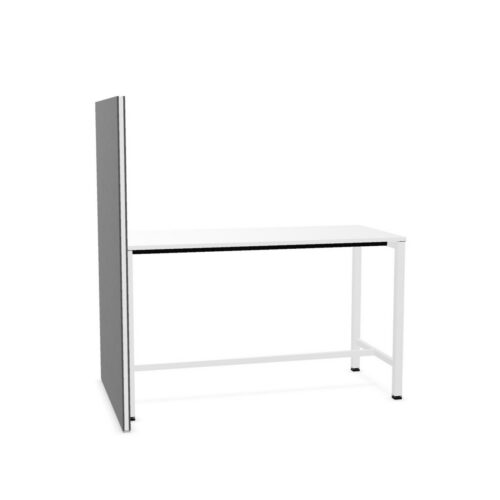
Rectangular Meeting Tables With Manual Adjustment

A clear adjustment routine for manually adjustable rectangular conference tables should identify who prepares the table and the arrangement expected after each session. The rectangular surface gives a room a clear orientation, while manual adjustment allows the working height to change. This combination suits teams that want to establish the table setting deliberately before a meeting. The adjustment method should be checked before deciding how it will fit into everyday room preparation.

Plan the table around the way people will face one another and any shared presentation area. Long edges create recognizable seating positions, but chairs, doorways, and routes through the room still need careful coordination. Test the proposed tabletop position during the actual activity, noting how it relates to participants, their seats and the equipment they share. Consider who will make adjustments, when that will happen, and whether the surrounding furniture will remain suitable afterward. A clear preparation routine helps the rectangular layout and adjustable height work together.

3 models
From €10.66 p/m
7 models
From €10.56 p/m
9 models
From €6.19 p/m

Planning manually adjustable rectangular conference tables

The central distinction is whether the table height remains constant or can be changed manually. A rectangular top establishes an axis for the meeting, regardless of its height setting. Consider whether discussions usually face a screen, follow a presentation from an end position, or move between participants along the sides. Manual adjustment adds another planning decision: the setting should support that meeting arrangement. Review the intended use before each change, including how chairs and shared materials will relate to the surface. The shape alone does not determine a suitable working position.

Organize Seating Along the Straight Edges

Start with the positions people need during a typical meeting. A facilitator at an end may need a direct view of everyone, while participants along the sides may need to turn toward a display. Check how chairs move away from the table and whether people can pass behind them without interrupting those seated. Corners deserve attention where an entrance or circulation route approaches the table. Keep frequently used routes clear of chair movement, and avoid placing occasional furniture where it would restrict access to an adjustment control or interfere with someone preparing the room.

Review the Room at Each Intended Setting

Assess the relationship between the tabletop, chairs, presentation equipment, and adjacent furniture whenever the height changes. If participants use connected devices, arrange their cables so they do not cross walking routes or become caught as the surface moves. Do not assume that nearby storage or a wall ledge will remain compatible with every setting. Check access to the adjustment mechanism without requiring people to move through an occupied seating position. Keep the room layout understandable so someone preparing it can identify the intended arrangement and restore it before the next group arrives.

Make Manual Adjustment Part of Preparation

Establish who is responsible for setting the height and how they will confirm that the table is ready. Check the actual adjustment instructions rather than assuming a particular handle, tool, or operating sequence. Consider whether preparation can take place before attendees arrive and whether changes during a meeting would interrupt the discussion. Assess manually adjustable rectangular conference tables with the chairs and equipment that participants will use, considering the complete working arrangement at each intended position. The value of manual adjustment depends on whether the team has a practical reason to change the setting and a workable way to do so consistently.

Frequently Asked Questions

Does manual adjustment mean a particular mechanism?

No. Manual height adjustment identifies how the change is powered, but it does not establish the control, operating steps, or adjustment range. Confirm those details before planning the preparation routine.

Where should the presenter sit?

Choose a position based on visibility and the meeting format. An end position can give the rectangular layout a clear focus, while a side position may suit a more distributed discussion.

Should the height change during every meeting?

Only when the meeting requires it. A team may use a regular setting and adjust it for particular sessions, provided the chosen setting works with the seating and surrounding room arrangement.

The adjustment property alone does not establish the usable height range, the control layout or the procedure required before moving the tabletop.

Keep the height-setting routine consistent with the room’s booking pattern so the next group knows how the furniture has been prepared.

Explore related selections