

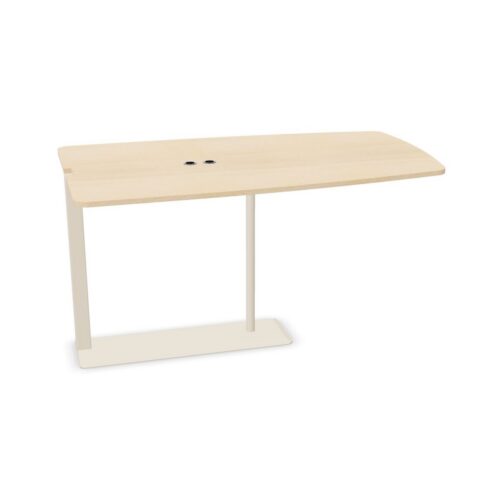
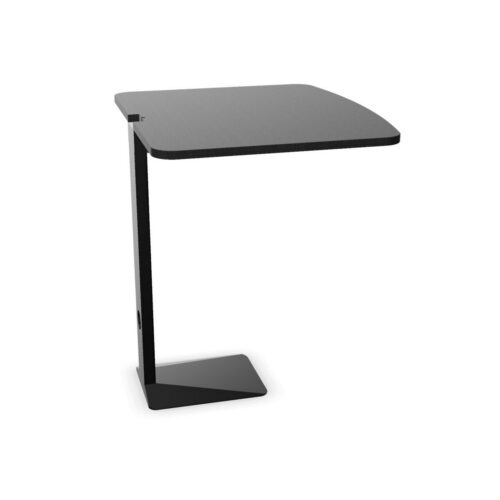
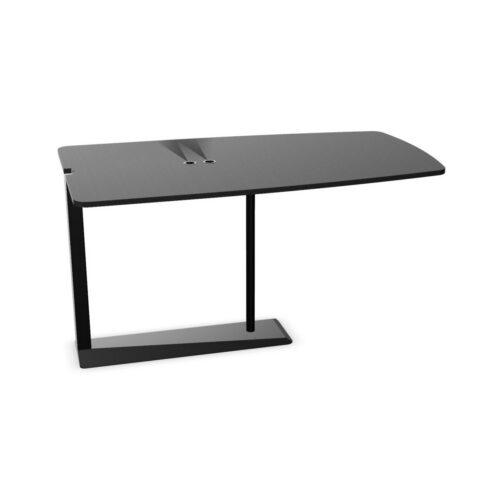
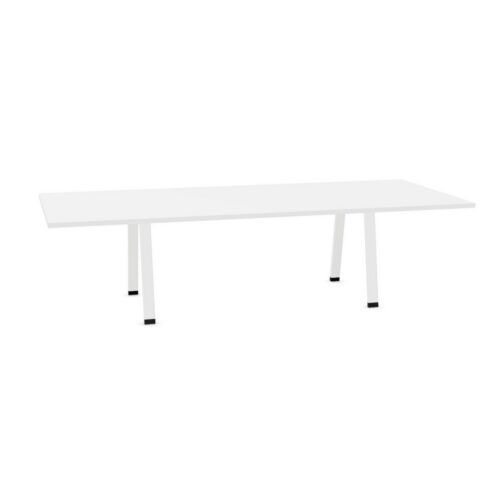
Rectangular Conference Tables at Fixed Height

Fixed-height conference tables with rectangular tops combine a straight-edged meeting surface with a height that does not adjust. This creates a consistent relationship between the table and its seating, making chair selection and room arrangement central decisions. The rectangular shape gives the room a clear direction, whether discussions take place across the table or attention turns toward a presentation area. Plan that direction around the meeting’s purpose rather than treating an end position as automatically suitable for the chairperson.

These tables suit a room where the working surface can remain at the same height between sessions. Because that height cannot be changed, check how the intended chairs relate to the tabletop before settling the layout. Fixed-height conference tables with rectangular tops also call for attention to movement around corners and behind occupied seats. A useful arrangement lets people enter, take their places, and leave without repeatedly asking others to move.

2 models
From €18.78 p/m
11 models
From €21.26 p/m
10 models
From €16.65 p/m
9 models
From €22.04 p/m
18 models
From €27.49 p/m
3 models
From €20.05 p/m
2 models
From €28.04 p/m
€11.34 p/m
2 models
From €19.95 p/m
2 models
From €10.48 p/m

Positioning Fixed-Height Conference Tables With Rectangular Tops

Begin with the room's main focus. If meetings depend on a shared display, consider whether people seated along either side can see it without sustained turning. For discussion-led sessions, give more attention to views across the surface and the relationship between end and side positions. A rectangular table can establish a clear meeting axis, but the most obvious alignment in the room may conflict with a doorway or circulation route. Sketch the likely movement of attendees before deciding on placement. Include the routes people use when a meeting is already underway and chairs are occupied.

Match Seating to the Unchanging Surface

Height is a fixed part of this combination, so seating needs to work with the table as it is. Assess how users sit at the surface and how chair arms, if present, relate to the tabletop and base. Do not assume that chairs used elsewhere in the workplace will be suitable here. Check the relationship in the intended sitting position, including how people approach and leave their seats. If chairs can be adjusted, consider whether users can operate their controls easily. Chair adjustment should be evaluated directly rather than treated as an automatic solution to every mismatch.

Keep Corners and Passing Routes Clear

The straight sides make the table's orientation easy to read, while its corners need deliberate placement near entrances and adjacent furniture. Follow the route from the door to an available seat and check where that route passes behind others. A chair pushed back during a meeting should not force everyone using the doorway to change course. Place room accessories where they remain reachable without creating repeated crossings through the seating area. When planning fixed-height rectangular conference tables, assess the occupied arrangement as well as the tidy room with chairs pushed in. Everyday movement is the more useful reference.

Choose a Repeatable Meeting Arrangement

A constant surface height supports a room preparation routine centered on seating positions, shared materials, and presentation readiness. Decide whether end seats are routinely used and how those positions affect views of the screen or speaker. Agree where temporary items belong so they do not gradually occupy circulation routes. Fixed-height conference tables with rectangular tops can remain in the same arrangement between sessions when the room's uses are compatible. Review that arrangement when the meeting format changes, since a familiar seating plan may still need revision for a workshop, interview, or presentation with different patterns of participation.

Frequently Asked Questions

Can the table height be changed?

No. This combination has no height adjustment. Select seating and plan meeting activities around the fixed surface, checking their suitability together before committing to the room arrangement.

Is an end seat always the best leadership position?

No. Choose the facilitator's position according to visibility, presentation needs, and participation. A side position may work better when the group needs to share attention across the table.

What should be checked near the entrance?

Check the door's movement, the nearest table corner, and chairs in use. People should be able to reach seating without relying on every chair remaining tucked beneath the surface.

Explore related selections