

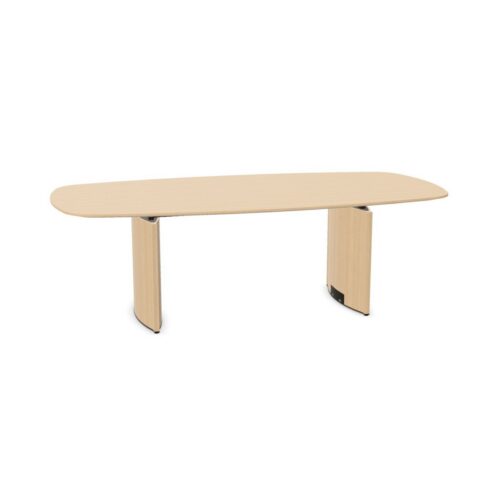
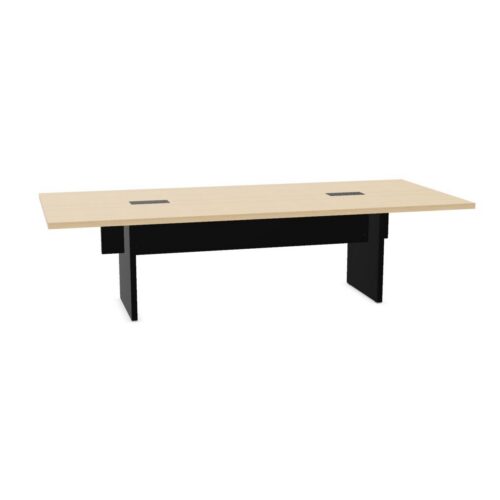
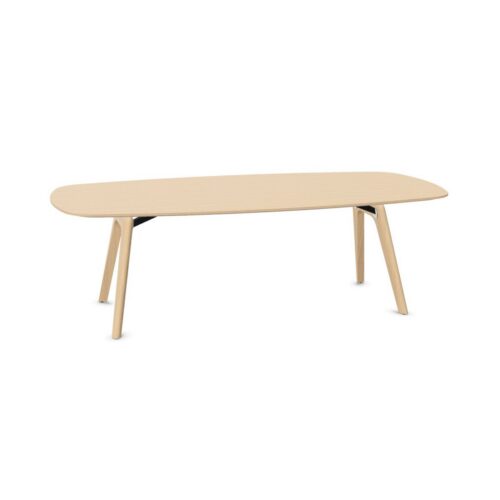
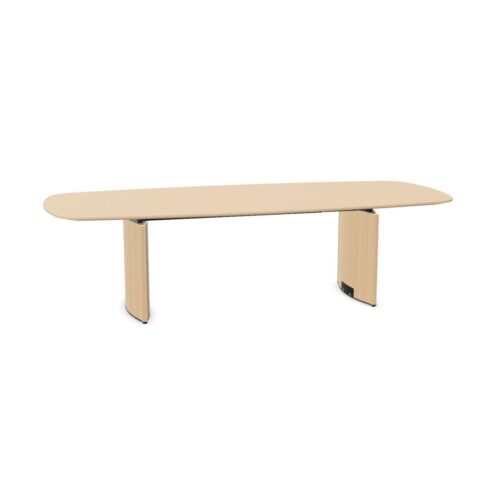
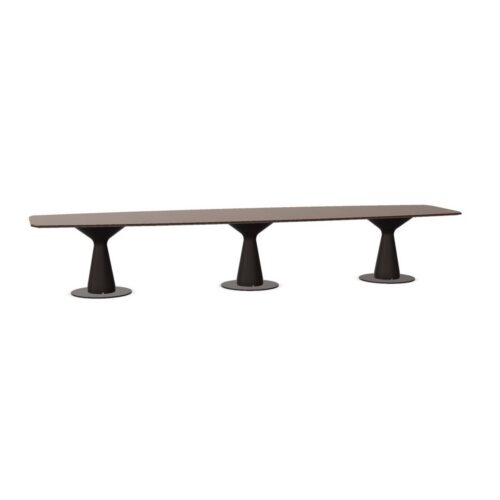
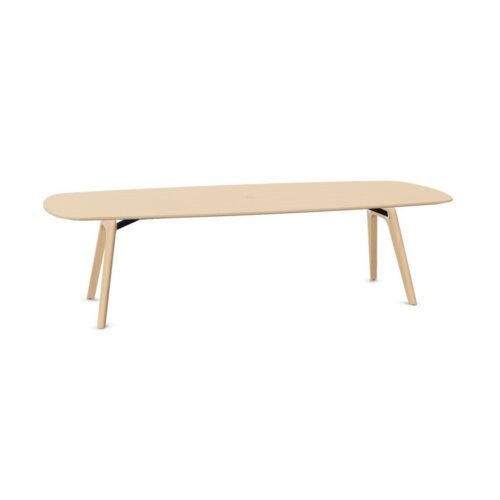
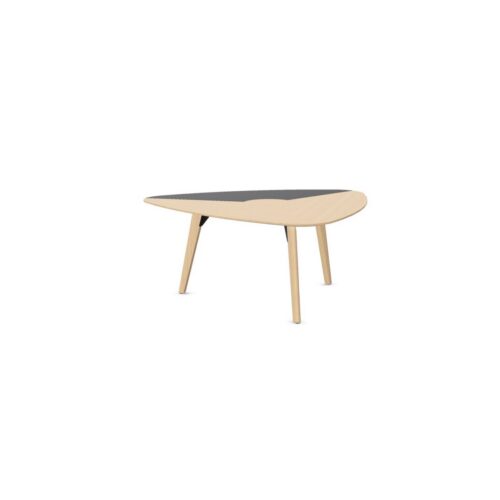
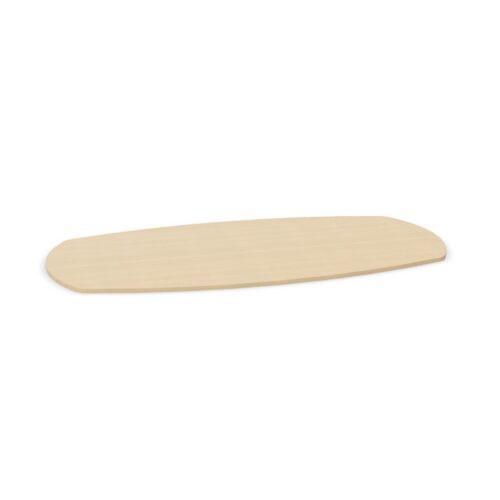
Black Meeting Tables With Both Sides Rounded

Conference tables with tops rounded on both sides and black surfaces combine a dark tabletop color with rounded portions that influence seating and movement. Consider the black surface in relation to the floor, chairs and walls, then use the actual outline to place working positions. The combination deserves attention from both across the room and at the table, where people need clear approaches and practical places for meeting materials.

A useful starting point is the route from the entrance to the intended seats. Check it with chairs occupied, then review the view toward any shared screen or writing area. The black surface can provide a deliberate contrast with surrounding finishes, or form part of a darker palette. Either choice needs a considered relationship between neighboring elements. Keep the tabletop color, rounded outline and room arrangement connected throughout the planning process.

18 models
From €27.49 p/m
Price on request
8 models
From €12.16 p/m
8 models
From €30.83 p/m
30 models
From €16.42 p/m
5 models
From €25.05 p/m
2 models
From €9.37 p/m
13 models
From €8.10 p/m
5 models
From €10.64 p/m
2 models
From €125.31 p/m
€7.77 p/m
12 models
From €2.99 p/m
€25.85 p/m
Price on request
12 models
From €55.42 p/m
3 models
From €39.32 p/m
2 models
From €18.08 p/m
2 models
From €5.54 p/m
18 models
From €42.84 p/m
8 models
From €23.66 p/m

Black Conference Tables Rounded on Both Sides

Begin by deciding how clearly the table should draw attention from its surroundings. A black surface against a contrasting floor creates a different visual composition from black alongside similarly dark chairs and flooring. Review that relationship from the doorway and from each seating area. The rounded portions add another part to the assessment: people should be able to understand where the tabletop runs and how to approach their chairs. Position surrounding furniture so the outline remains apparent. Then test the arrangement through the everyday actions of arriving, sitting down, reaching meeting materials and leaving while other people remain at the table.

Make the Occupied Layout the Main Reference

A room plan should account for chairs in use, not only their position when pushed in. Check the route behind participants and the space needed to move into a chair beside a rounded section. Black conference tables with both sides rounded require this review around the actual perimeter, especially where nearby furniture changes the available approach. Include door movement and access to storage in the same check. Consider someone arriving during a presentation or leaving briefly during discussion. Those movements should be possible without turning the working area of another participant into the normal route through the room.

Use Contrast Deliberately Around the Surface

Compare the black tabletop with the chair finishes immediately beside it and the floor beneath it. You may want the table to be the room's main dark element, or to connect with other dark finishes. Assess those options as complete compositions rather than isolated samples. For conference tables with black surfaces and tops rounded on both sides, the curved portions should also remain understandable within that composition. Avoid assuming anything about sheen or texture from the color name. Review the actual appearance under ordinary meeting lighting, including how papers and other everyday working materials look against the surface during use.

Give Shared Equipment an Accessible Position

Place shared equipment according to who needs to use it and how they will reach it. A presentation device, meeting supplies or documents should not force participants to cross another person's working position repeatedly. Black rounded-side conference tables should be assessed with these activities mapped around the seating arrangement. Check views toward the display from chairs beside the rounded portions and allow people to change orientation where necessary. Decide where accessories belong when they are not in use. Keeping them out of circulation routes and individual working areas supports a room that can be prepared consistently for the next meeting.

Assess conference tables with tops rounded on both sides and black surfaces alongside circulation and the meeting's main viewing direction.

For conference tables with tops rounded on both sides and black surfaces, map the intended seats before deciding how the table will sit within the room.

Keep conference tables with tops rounded on both sides and black surfaces in view while comparing placement, access and the surrounding interior.

FAQ About Black Tables With Rounded Sides

Can black chairs coordinate with a black tabletop?

They can, but assess the full arrangement against the floor and walls. Consider how clearly the table and chairs read as separate elements, and whether the room would benefit from contrast elsewhere in the palette.

What changes when the chairs are occupied?

Occupied chairs alter the routes around the table and the approach to neighboring seats. Review those routes during normal meeting activity, including arrivals, access to storage and movement toward any shared equipment.

Do rounded sides decide where equipment should go?

They influence chair positions and approaches, which should inform equipment placement. Locate shared items where the intended users can reach them, then check that access does not interrupt circulation or another participant's work.

Explore related selections