

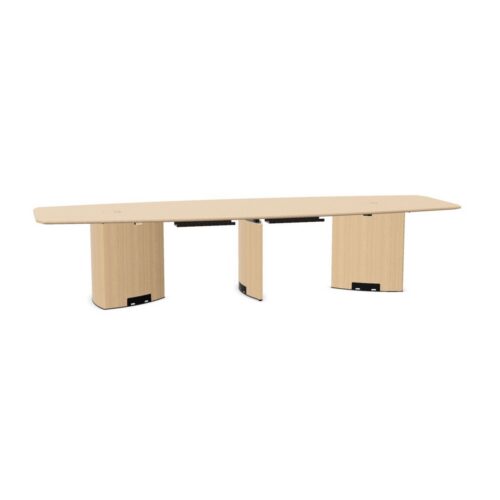
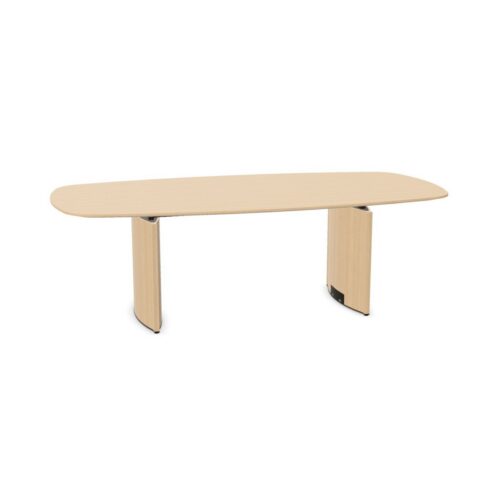
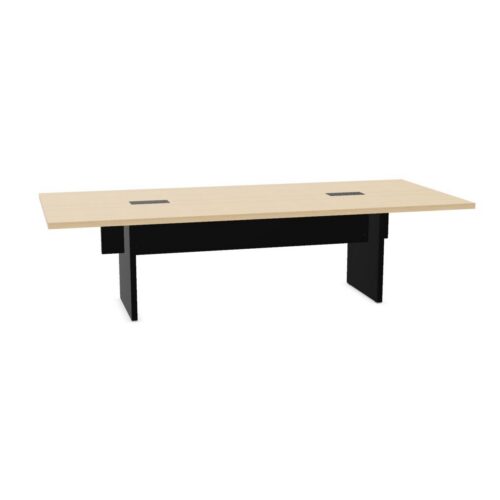
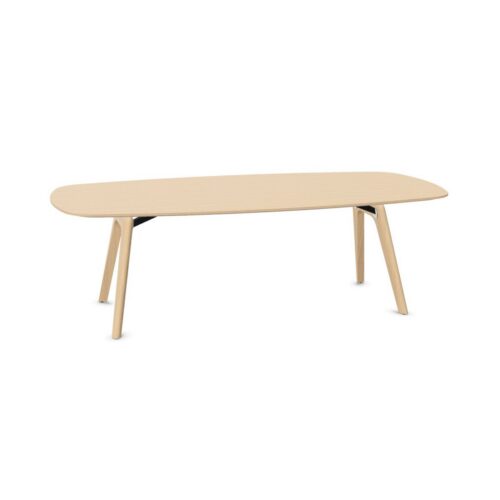
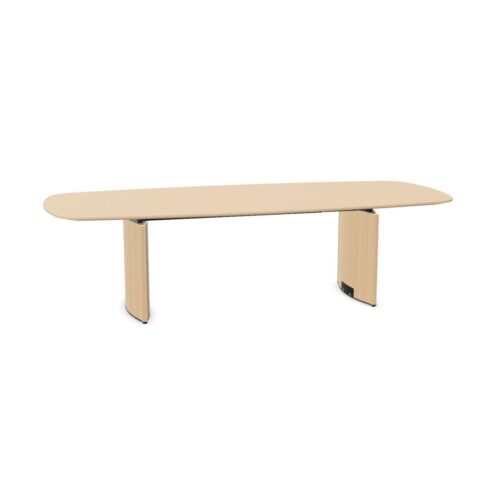
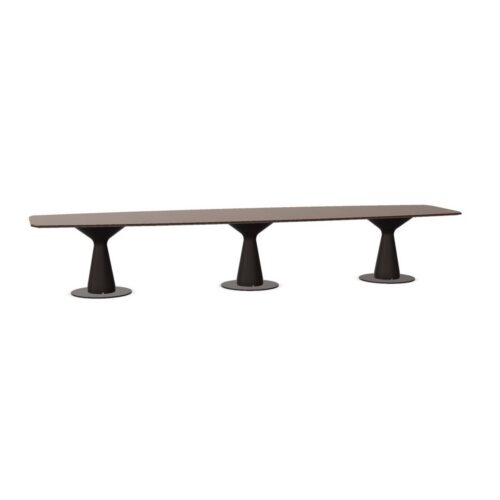
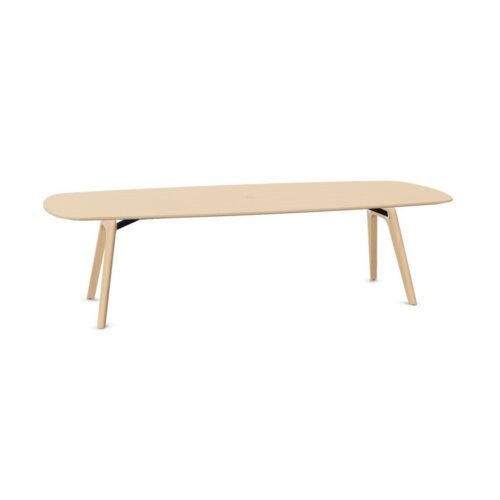
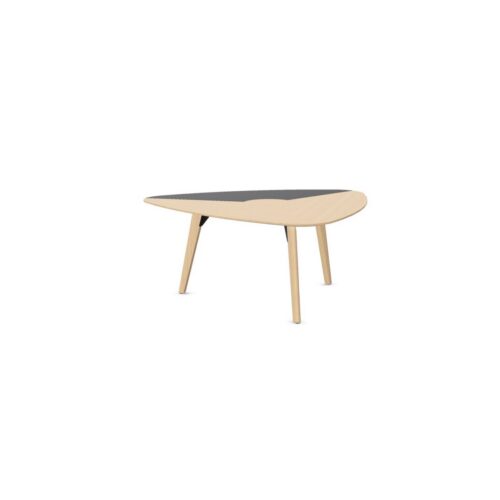
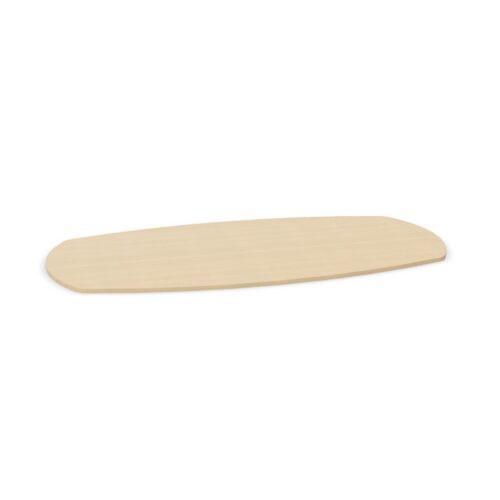
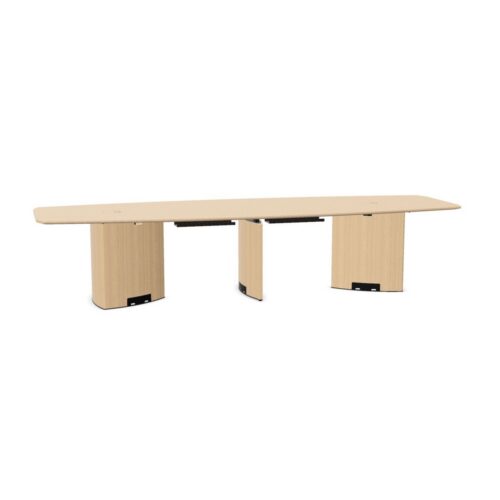
Conference Tops With Both Sides Rounded

conference tables with tops rounded on both sides bring rounded sides into the tabletop outline, making the relationship between the perimeter and seating worth careful attention. Plan chair positions around the actual shape rather than assuming that every place along the edge offers the same working arrangement. Conference tables with tops rounded on both sides also call for a deliberate review of how each seat relates to the curved perimeter. Consider how people will face one another and where shared information will sit.

A top with both sides rounded should be assessed within the complete meeting room. Its outline affects the visual arrangement, while the entrance, presentation area and neighboring furniture determine practical placement. Review the route behind occupied chairs, particularly where people need to pass during discussion. Also consider how papers and personal notes will be arranged at different seating positions. The useful question is how the rounded sides support the intended work in that room, with clear access and understandable places for conversation, reading and presentation viewing.

3 models
From €58.63 p/m
18 models
From €27.49 p/m
8 models
From €12.16 p/m
8 models
From €30.83 p/m
30 models
From €16.42 p/m
5 models
From €25.05 p/m
2 models
From €9.37 p/m
13 models
From €8.10 p/m
5 models
From €10.64 p/m
2 models
From €125.31 p/m
€7.77 p/m
12 models
From €2.99 p/m
€25.85 p/m
12 models
From €55.42 p/m
3 models
From €39.32 p/m
2 models
From €18.08 p/m
2 models
From €5.54 p/m

Planning conference tables with tops rounded on both sides

Use the actual rounded outline as the starting point for arranging chairs. For conference tables with tops rounded on both sides, judge the usable edge from each planned position. Place each intended working position in relation to the nearby edge, then assess how it connects with neighboring participants. Avoid relying on an evenly repeated seating pattern before considering the curve. A chair may need a different angle to support conversation or a useful view of shared information. Review the arrangement from the seated perspective, including where notes will go. The tabletop shape contributes to the layout, but a successful plan depends on how the chairs, activities and room orientation work with that shape.

Keep the Rounded Outline Distinct From Extra Features

Rounded sides describe the tabletop's shape. They do not establish the treatment of its edge, the material used or any particular protective quality. Keep those questions separate when evaluating the table. For room planning, focus on the perimeter: where people sit, how their work areas relate and what happens behind their chairs. Compare another outline through those same practical considerations. This keeps the rounded shape relevant to the decision without attaching unrelated expectations to it. It also helps clarify if your preference comes from the room's visual arrangement, its meeting routine or a combination of the two.

Allow for Movement During the Meeting

Conference tables with both sides rounded still require clear routes around occupied seating. Trace the path from the door to each intended chair and to any equipment used during discussion. Review where a person standing up might interrupt that path. Nearby storage can create a second demand on the same area, so consider its use alongside the table arrangement. Keep work bags away from places where people turn or pass. Assess the room while imagining a meeting in progress; the rounded perimeter alone cannot show whether access remains straightforward once participants and their belongings are present.

Connect Seating to Shared Information

When the agenda moves between conversation and presentation, participants need to redirect their attention. Check that chair positions along the rounded sides work for both activities. For document reviews, consider how papers will face people seated at different points around the top. Give shared reference material a deliberate place and keep individual working areas identifiable. If the room's main focus is a wall display, assess each viewing direction before settling on the table orientation. The most practical arrangement may follow the room's working focus rather than the position that appears most symmetrical when viewed from the entrance.

FAQ About Tops With Both Sides Rounded

Does the outline describe how the edge feels?

No. A tabletop rounded on both sides describes its outline, rather than a confirmed edge treatment. Assess the actual edge separately if that detail matters to your workplace. Use the shape information to plan chair positions and the relationship to surrounding room routes.

Should chairs follow the curve exactly?

Use the curve as a reference, then adjust positions to suit discussion, document use and presentation views. Conference tables with both sides rounded need a practical seating arrangement. Visual consistency should support the meeting activity rather than determine every chair angle.

What is useful when comparing another tabletop shape?

Keep the room and meeting activities consistent. Compare the working position at each chair, access to shared papers and the route around occupied seating. This shows how the rounded sides affect everyday use without assuming additional features from the outline.

Explore related selections