

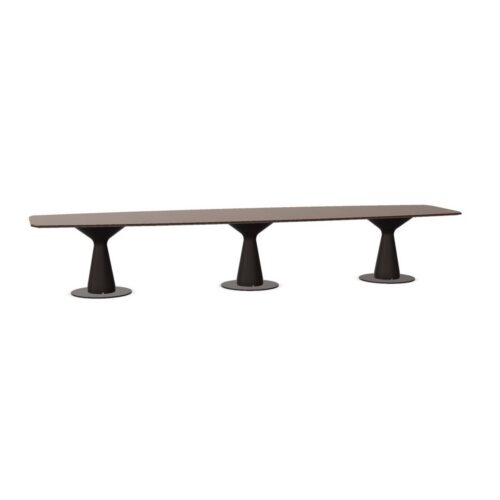
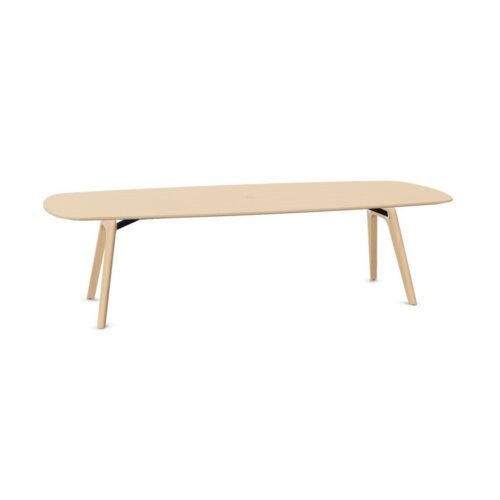
Red Meeting Tops Rounded on Both Sides

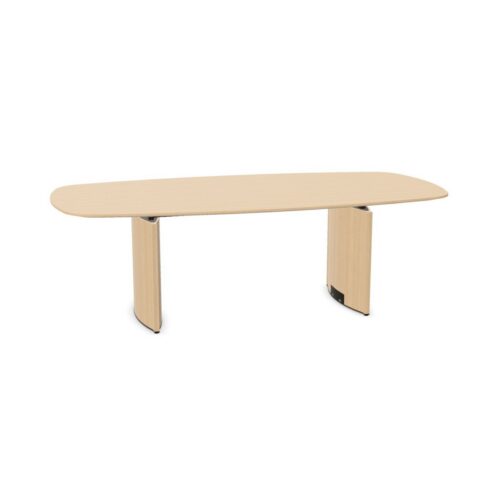
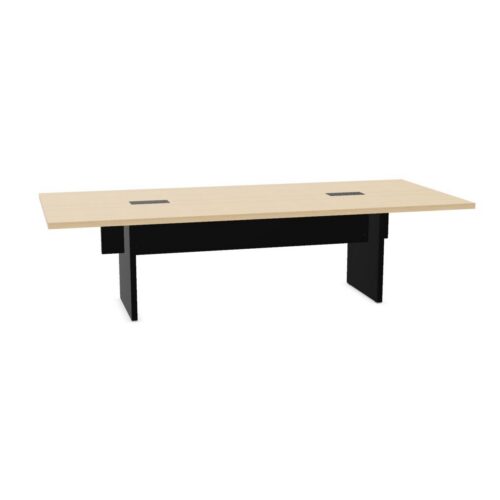
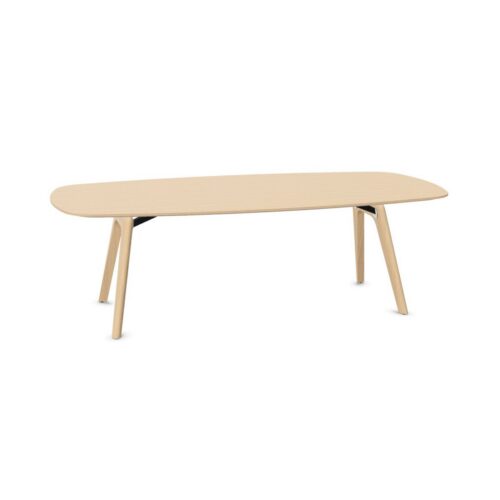
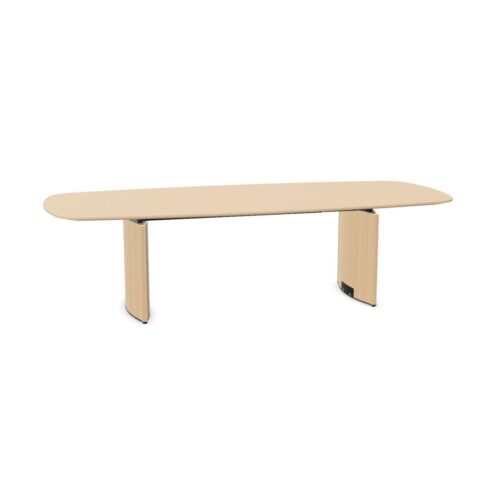
Conference tables with tops rounded on both sides and red surfaces pair a clear color commitment with a curved tabletop form. This combination calls for attention to what surrounds the table: wall colors, seating, presentation areas, and the routes people use during meetings. Red can be repeated elsewhere in the room or kept mainly on the tabletop. The rounded sides should be assessed independently, using the complete outline to plan where people sit and move.

Begin by deciding whether the room primarily supports discussion, presentations, or a regular mixture of both. That decision helps establish the direction of seating and the relationship between the table and shared information. Then review the red surface within the room’s existing palette. A considered arrangement gives the color a clear place while keeping practical needs visible, including access to chairs, the handling of meeting papers, and movement around occupied seating.

8 models
From €12.16 p/m
8 models
From €30.83 p/m
30 models
From €16.42 p/m
5 models
From €25.05 p/m
2 models
From €9.37 p/m
13 models
From €8.10 p/m
5 models
From €10.64 p/m
2 models
From €125.31 p/m
12 models
From €55.42 p/m
3 models
From €39.32 p/m
2 models
From €18.08 p/m
2 models
From €5.54 p/m
18 models
From €42.84 p/m
8 models
From €23.66 p/m
10 models
From €14.47 p/m
26 models
From €8.36 p/m
19 models
From €11.23 p/m
14 models
From €6.72 p/m
6 models
From €34.81 p/m
7 models
From €11.79 p/m
4 models
From €14.08 p/m
20 models
From €9.47 p/m
28 models
From €22.14 p/m

Giving Red a Clear Role in the Room

A red tabletop can become a prominent part of the room's composition, especially when surrounding surfaces use different colors. Decide whether that prominence suits the intended setting before repeating red across seating, walls, or accessories. Existing red elements should be compared directly because the color name alone does not establish a matching shade. View the proposed relationship from seated positions as well as the doorway. This makes the choice relevant to people using the table throughout a meeting. Keep the rounded outline visible in the arrangement instead of allowing additional furniture or decorative objects to obscure how seating relates to it.

Positioning Conference Tables With Tops Rounded on Both Sides and Red Surfaces

Place the table in relation to the room's main working direction. If participants regularly follow a presentation, consider the screen view before assigning chairs around the curves. If discussion is the priority, check that participants can face one another without moving into the main access route. Red conference tables with both sides rounded should be evaluated using their actual perimeter, rather than an assumed oval shape. The shape description does not settle the form of every edge. Review how the tabletop relates to the doorway and nearby furniture, then confirm that the intended seating remains practical when occupied.

Separating Color Coordination From Meeting Materials

Documents, presentation boards, and personal devices introduce their own visual elements during a meeting. Consider the tabletop as a working background rather than a surface that will remain empty throughout the day. If the room is used for reviewing printed proposals or visual work, assess the proposed red surface alongside the kinds of materials usually discussed. This is a comparison of appearance, not a claim about how the table performs. Keep frequently shared materials accessible from the intended chair positions, and decide where items should go between sessions so that the curved sides remain available for their planned seating arrangement.

Checking Movement During Presentations

A seating plan should account for the moments when people stand, approach a display, or leave the room while others remain seated. Trace those movements around the table and past neighboring chairs. With red conference tables rounded on both sides, the curves can change the relationship between the tabletop edge and individual seating positions, so inspect those positions directly. Avoid using an unoccupied view of the room as the only planning reference. Include open doors and access to storage in the review. This helps connect the visible color choice with a room arrangement that supports its ordinary meeting activities.

Frequently Asked Questions

Should red appear elsewhere in the meeting room?

It can, but repetition is optional. A red surface may stand alone within the palette. Compare existing furniture and wall colors before introducing further red elements, especially where different shades will appear directly beside one another.

Do rounded sides determine the head position?

No. Establish any lead presentation or discussion position from the meeting format and the complete tabletop outline. The selected shape does not by itself confirm where a chair should be placed.

How should a room serving several teams be coordinated?

Use the room's shared activities as the starting point. Red conference tables with tops rounded on both sides can be assessed against common presentation needs, everyday chair access, and the colors already present in the space.

Keep conference tables with tops rounded on both sides and red surfaces in view while comparing placement, access and the surrounding interior.

Compare how conference tables with tops rounded on both sides and red surfaces relates to chair positions and shared views in the intended room.

Explore related selections