

Blue Bases Beneath Square Conference Tops

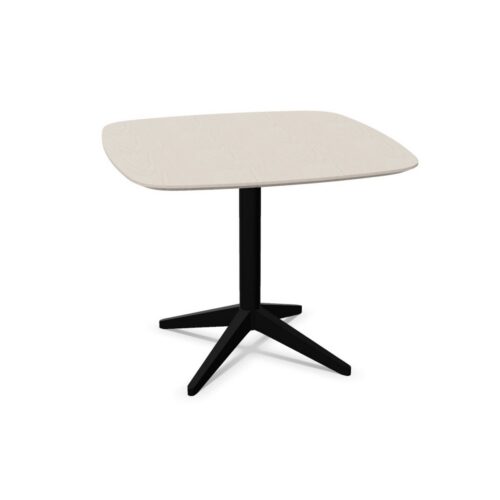
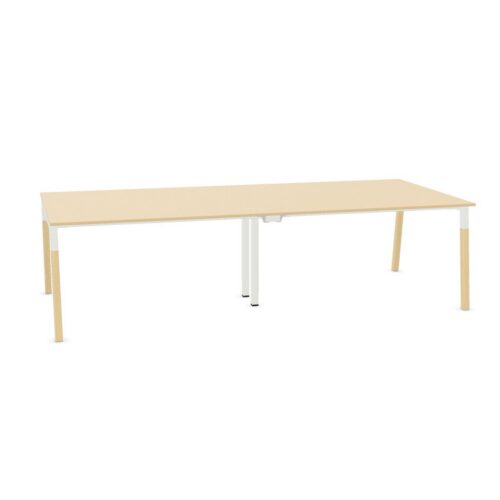
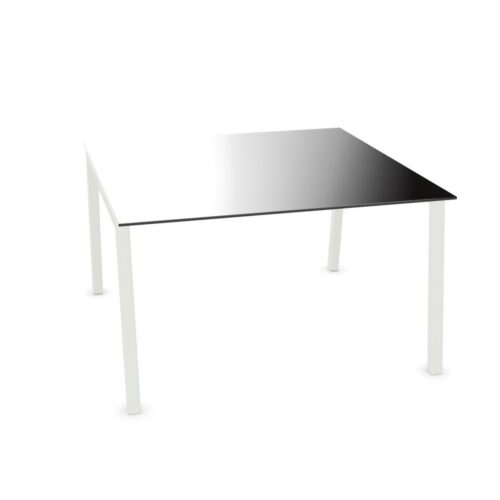
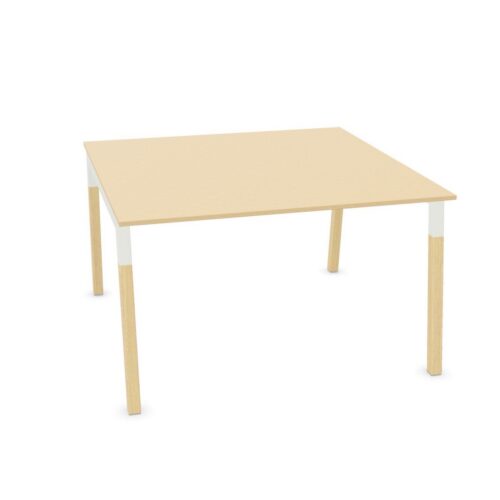
Conference tables with square tops and blue bases combine a structured tabletop outline with color beneath the meeting surface. The square shape establishes clear edges for seating, while the blue base can connect with existing room accents or introduce a distinct color element. Its contribution depends on the surrounding finishes and on how much of the supports remains visible between chairs.

Consider the room’s visual priorities alongside its meeting routine. If blue already appears in seating or wall details, decide whether the base should reinforce that relationship. If it is a new color, assess how it sits within the wider palette. Then plan the practical arrangement: people need straightforward routes to their chairs, usable views of shared material and clear passage around the tabletop corners. The color choice should work with this occupied layout, rather than being assessed only from an image of the table on its own.

11 models
From €21.26 p/m
11 models
From €8.94 p/m
3 models
From €30.93 p/m
2 models
From €2.13 p/m
2 models
From €17.92 p/m
11 models
From €15.25 p/m
4 models
From €23.04 p/m
5 models
From €16.03 p/m
11 models
From €6.67 p/m
26 models
From €9.74 p/m
5 models
From €8.33 p/m
6 models
From €11.06 p/m
2 models
From €7.72 p/m
12 models
From €9.73 p/m
4 models
From €10.09 p/m
9 models
From €6.29 p/m
6 models
From €9.94 p/m
19 models
From €17.99 p/m
2 models
From €11.64 p/m
2 models
From €11.07 p/m

Placing Conference Tables With Square Tops and Blue Bases

Start with the viewpoint from which the meeting area is most often seen. In an enclosed room, that may be the doorway; in a shared work area, it may be a passing route. A blue base can provide a visible color detail below the square top, although chairs may partly conceal it. Check whether that detail feels connected to the rest of the interior from the relevant viewpoints. Then confirm the seating arrangement. A table position chosen for its appearance still needs to provide comfortable approaches and workable views for people using every intended edge.

Choosing Where Blue Should Reappear

Repeating blue elsewhere is optional. If the room already includes blue upholstery or other accents, compare the actual colors together before assuming they belong to the same scheme. Differences may be useful when deliberate, especially if surrounding finishes remain consistent. If the table base is the only blue element, consider whether it has enough visual separation from nearby chair frames to remain clear. Avoid spreading the color across unrelated details simply to create matches. A restrained relationship between the base and existing room elements can give the meeting area a considered appearance.

Working With a Square Discussion Surface

For conference tables with square tops and blue bases, the tabletop geometry should guide the seating plan more than the accent color does. Arrange chairs along the edges according to the way participants discuss, review documents and use a shared display. Check neighboring seats near the corners, where chair movement can overlap. If one wall holds the presentation screen, assess the view from each position before finalizing the table orientation. An orderly square arrangement should support the actual conversation, including moments when participants turn away from the table to follow information elsewhere in the room.

Maintaining a Clear Boundary With Nearby Work

In a shared setting, consider how the meeting area relates to adjacent activity. The square outline can establish a clear furniture arrangement, and the blue supports can contribute a recognizable color detail. Neither replaces a practical circulation plan. Keep the main passing route outside the area occupied by chairs, including when people move back to stand. Leave access to nearby storage and shared equipment. Review the visible base from outside the meeting zone as well: its relationship with the surrounding furniture should remain coherent without relying on every chair being positioned exactly the same way.

Frequently Asked Questions

Does blue need to match the seating?

No. Blue can appear only on the base or relate to selected room accents. When assessing conference tables with square tops and blue bases, compare actual finishes together and decide whether the relationship should be close or deliberately varied.

Will the base remain visible with chairs in place?

That depends on the actual support arrangement, chair design and viewing angle. Examine the complete setting from the entrance and nearby walkways. A color that is clear in an empty arrangement may be less apparent once the seating is occupied.

How should the table face a shared screen?

Position it around the intended viewing seats and the route into the room. Check each seating edge for awkward turns, then confirm access around the corners. The square outline allows a clear arrangement, but the screen location remains a separate planning factor.

Explore related selections