

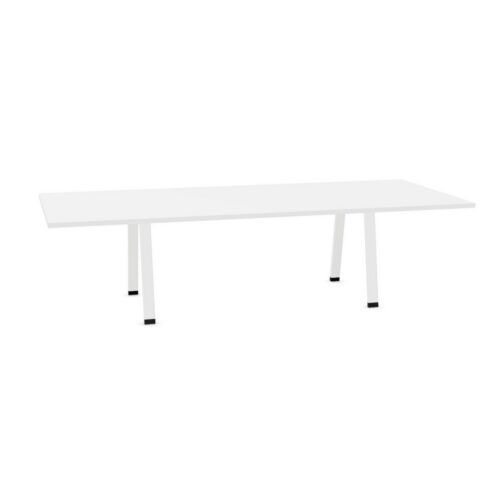
Blue Bases for Defined Meeting Areas

Conference tables with blue bases place a specific color below the meeting surface, where it becomes part of the relationship between chairs, flooring and surrounding furniture. Blue may repeat a color already used elsewhere in the workplace or introduce a distinct reference for the meeting area. Start by deciding which role is useful. The selected base color does not establish the shade, material or any additional table feature.

Consider how much of the base will be visible in a normal seating arrangement. Chairs can interrupt the view, and the background changes as people move around the room. Assess the blue from the entrance and from across the table, then relate it to any nearby blue upholstery, wall areas or furniture. Similar color names can conceal noticeable differences, so compare actual appearances before treating separate elements as a coordinated group.

11 models
From €21.26 p/m
3 models
From €20.05 p/m
2 models
From €28.04 p/m
€9.29 p/m
€9.94 p/m
2 models
From €9.51 p/m
€31.41 p/m
€11.34 p/m
2 models
From €19.95 p/m
2 models
From €10.48 p/m
4 models
From €7.81 p/m
2 models
From €8.94 p/m
4 models
From €9.16 p/m
7 models
From €41.00 p/m
3 models
From €51.25 p/m

Giving Conference Tables With Blue Bases a Clear Role

Choose whether the blue base should connect with the wider workplace palette or help distinguish the conference setting. For continuity, identify a nearby element that provides an intentional color relationship. To define a separate meeting area, review how the blue reads against the surrounding floor and furniture without assuming that it must match them. Keep the purpose of the space clear through its arrangement as well as its color. The entrance route, chair positions and orientation toward a shared discussion point should explain how the area is used before anyone sits down.

Working With Existing Blue Elements

A blue chair, wall and table base may differ considerably when placed together. Compare the elements that will share the same view, especially where their edges overlap from the doorway or from seated positions. You can use those differences deliberately, but avoid depending on an exact match without checking it. If a prominent blue wall already defines the room, assess whether another blue reference adds a useful connection. A contrasting chair color may provide separation between the base and the background while allowing both to remain part of the same considered palette.

Planning Views Across an Open Workplace

In an open setting, conference tables with blue bases may be visible from desks, shared circulation routes and neighboring meeting areas. Review those approaches before deciding where the table belongs. Repeating blue across separate spaces can establish a visual connection, but furniture placement must still make their different purposes clear. Keep the meeting approach from crossing a chair's normal pullback area, and consider the view from occupied desks nearby. The base color can contribute to the identity of the meeting zone; it does not establish privacy, acoustic separation or suitability for a particular activity.

Coordinating the Tabletop and Chair Palette

The tabletop and chairs form the immediate context for a blue base, even when the base is the starting point for the room scheme. Compare their colors as a complete assembly rather than choosing each in isolation. If the surrounding palette already contains several strong colors, decide which element should carry the clearest emphasis. You may prefer quieter neighboring colors, or a deliberate repetition of blue in a limited part of the setting. Review the room with chairs both occupied and unoccupied, since the visible balance between the tabletop, upholstery and base changes during use.

Frequently Asked Questions

Does a blue base need blue chairs?

No. Conference tables with blue bases can be coordinated through contrast as well as repetition. Compare the upholstery, chair frames and floor together to decide which relationship makes the seating arrangement look most deliberate.

Can different blue colors share the same room?

Yes, if their relationship is intentional. Check them together under the room's usual lighting and from the main viewpoints. A clear difference may work better for the palette than an assumed match that appears inconsistent nearby.

How can blue help identify an open meeting area?

It can provide a visible color reference associated with the table. Reinforce that reference through clear chair placement and an understandable approach, while treating privacy and separation as independent planning questions rather than effects of color.

Explore related selections