

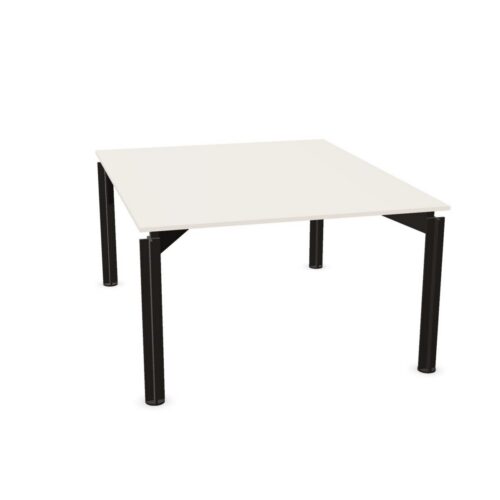
Square Tops for Structured Group Meetings

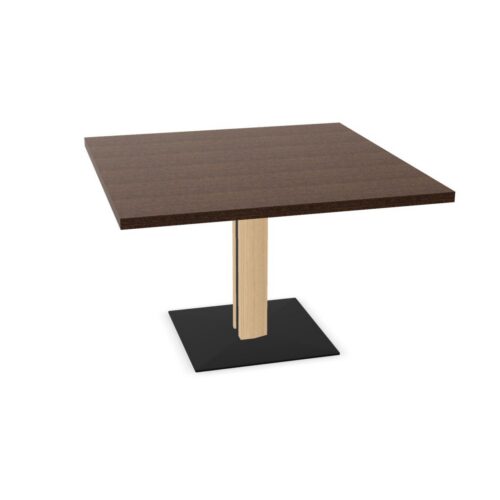
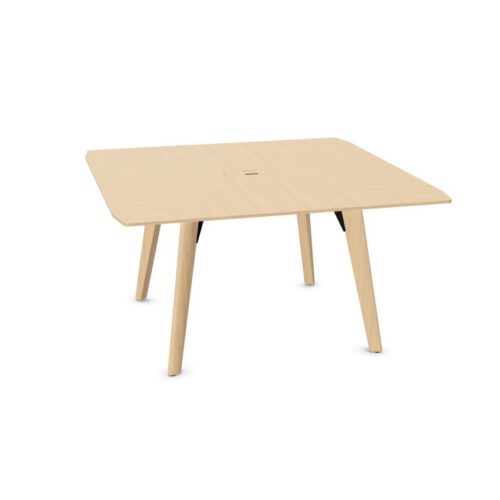
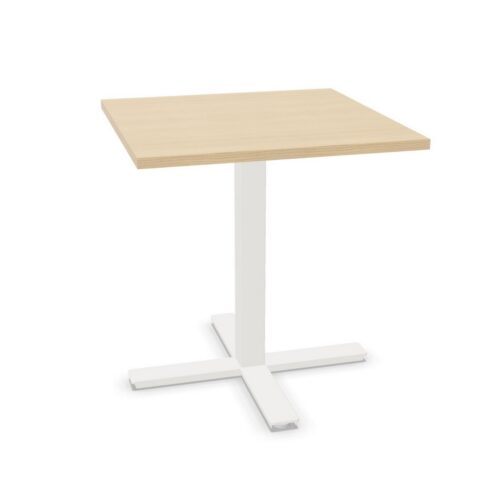
Conference tables with square tops give a meeting area an outline of equal sides and defined corners. The shape offers clear reference points for arranging chairs and shared materials, while the room determines whether any side becomes the main focus. A presentation wall, entrance or facilitator’s position can give an otherwise balanced arrangement a clear direction.

Consider the relationship between people seated opposite each other and those on adjacent sides. Their views of shared documents and presentation material will differ, so the chair layout should follow the work taking place. Keep corners in mind when positioning neighboring seats, and review access behind chairs once occupied. A square top can form an orderly meeting setting when its placement responds to the room’s everyday routines. Start with those routines, then assess how the tabletop, chairs and supporting furniture fit together throughout a complete meeting.

8 models
From €30.61 p/m
11 models
From €21.26 p/m
18 models
From €27.49 p/m
6 models
From €28.06 p/m
2 models
From €8.94 p/m
€42.11 p/m
2 models
From €13.06 p/m
13 models
From €8.10 p/m
6 models
From €5.43 p/m
11 models
From €11.32 p/m
2 models
From €8.82 p/m
2 models
From €227.52 p/m

Conference Tables With Square Tops and Room Focus

The equal sides of a square top provide a balanced outline, but a working room rarely has identical conditions on every side. One direction may face a screen, another may sit beside the entrance, and another may connect to storage. Identify these differences before assigning regular seating positions. Decide where attention needs to go during the most common meeting activity. Then arrange the table so the intended positions serve that activity. A symmetrical view from the doorway is useful only when the layout also works for those seated around the tabletop and moving through the surrounding room.

Review Opposite and Adjacent Working Positions

Participants on opposite sides face each other directly, while those on adjacent sides approach shared work from a different angle. Consider both relationships when planning document reviews or collaborative discussions. Papers placed for one person may appear sideways to a neighbor. Agree where common reference material will go and how it will be repositioned when the discussion changes. Review corner areas with adjacent chairs in place, since those working areas can meet near the change in direction. The aim is to give each position a clear purpose without allowing an orderly seating pattern to dictate an awkward working routine.

Keep Corners Clear of Busy Room Routes

Conference tables with square tops introduce defined corners into the circulation plan. Look at where those corners sit relative to the entrance and routes to presentation equipment. Avoid assessing the tabletop alone: chairs extend the occupied meeting area beyond its edge. Check the route when someone stands to leave and another participant remains seated nearby. Storage access deserves the same attention. If a cabinet is used during meetings, its approach should remain practical without requiring repeated chair adjustments. Include bags and coats in the room plan so they do not accumulate beside a corner on a busy route.

Compare the Square Through Your Meeting Routine

Use a typical agenda to compare a square outline with alternatives. Begin with arrival, then discussion, shared reading, presentation viewing and departure. At each stage, consider whether people can use their intended positions without unnecessary turning or rearranging. The square shape makes the relationship between sides clear, but it does not settle every room-planning question. Review the actual chair positions and the placement of other furniture. If the room serves different teams, favor an arrangement that makes its working positions easy to understand. A clear layout helps visitors find a useful seat without disrupting the meeting already underway.

FAQ About Square Conference Tables

Does every side need the same seating arrangement?

No. Room access and meeting activities may call for different arrangements on different sides. Conference tables with square tops have equal sides, but that does not require identical use. Plan chairs around practical working positions and the routes people need during a meeting.

How should shared papers face?

Set their direction according to the people using them at that moment. Participants on adjacent sides will view documents differently. Leave a clear shared area and allow papers to be turned or passed without disturbing personal notes or another participant's immediate workspace.

Can a square table support presentation meetings?

Assess the view from each intended chair before deciding the layout. The square outline alone does not determine screen suitability. Consider the direction people face during discussion and how they will turn toward presentation material when the agenda changes.

Explore related selections