

Square Conference Tables on Red Bases

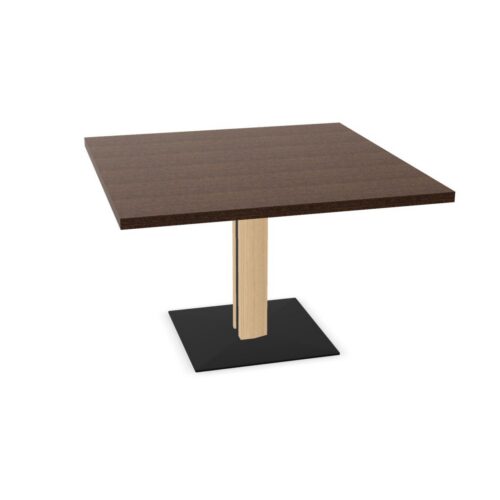
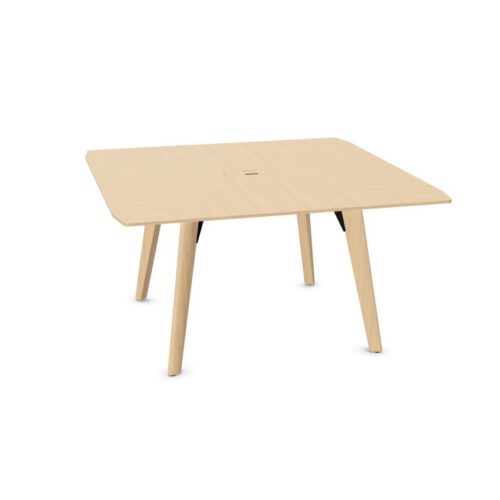
Conference tables with square tops and red bases combine straight tabletop edges with a red accent below the meeting surface. The square shape supports a clearly organized seating plan, while the base adds color that can relate to existing interior details or remain a distinct feature. Consider both the visible impact from the entrance and the quieter view participants have once seated.

Red does not determine how a room will feel or how a team will work. Its practical role here is visual, and that role depends on the actual finish, nearby colors and visibility of the supports. Start by identifying which existing accents should connect with the base. Then arrange the table around the meeting routine, including discussion, screen viewing and movement to shared room features. Pay particular attention to the square corners and chairs near the entrance, where visual order needs to coincide with a clear route.

2 models
From €8.94 p/m
2 models
From €30.93 p/m
€42.11 p/m
2 models
From €2.13 p/m
13 models
From €8.10 p/m
6 models
From €5.43 p/m
11 models
From €11.32 p/m
5 models
From €6.67 p/m
4 models
From €8.33 p/m
6 models
From €11.06 p/m
2 models
From €7.72 p/m
12 models
From €9.73 p/m
4 models
From €10.09 p/m
9 models
From €6.29 p/m
6 models
From €9.94 p/m
19 models
From €17.99 p/m

Positioning Conference Tables With Square Tops and Red Bases

Consider whether the table should be a visible focal point or sit within a wider color scheme. Red supports may be noticeable against neutral surroundings, although their visibility depends on the actual base and seating arrangement. View the table from the door, nearby walkways and the usual presentation position. Then assess the square top's alignment with the room. Its straight edges can relate to walls and storage, but that relationship should not force chairs into inconvenient places. Choose the position by combining the desired visual emphasis with a workable approach to each intended seating edge.

Keeping Presentation Backgrounds Considered

Rooms used for presentations need attention beyond the view of the tabletop. Look at what sits behind speakers and what participants see when turning toward a display. A red base may contribute to that wider composition, especially where chairs leave the supports exposed. Decide whether nearby accents should repeat red or allow the table to carry it alone. Avoid assuming that adding more matching objects will improve the room. A deliberate relationship between the base, seating and presentation area can be clearer when the surrounding finishes have a consistent visual role.

Handling Corners and Chair Movement

With conference tables with square tops and red bases, inspect the practical effect of the square outline after chairs are positioned. The corners can fall near routes used by arriving colleagues or people approaching storage. Keep those paths clear when seats are occupied and when someone moves back to stand. Check the actual supports as well, since the red finish does not describe where they meet the floor or how they relate to participants' feet. A seating plan should remain usable during the meeting, including when someone leaves briefly and returns to the discussion.

Making Red Part of a Consistent Palette

If the room already includes red, compare the actual finishes together. Upholstery, painted surfaces and other colored details may differ visibly even when they share the same color name. Decide which relationships need to be close and where a difference can remain intentional. Where several strong colors are already present, assess whether the base has a clear place among them. The square top adds another organizing element through its outline, so color can play a focused supporting role. Review the complete arrangement with chairs included instead of considering the base as an isolated accent.

Frequently Asked Questions

Does red suit a formal meeting room?

It can, depending on the surrounding palette and the role assigned to the accent. Conference tables with square tops and red bases can sit within a restrained room scheme when the seating, nearby finishes and visible color relationships are considered together.

Should the table face the entrance directly?

Only if that orientation supports access and the meeting routine. A centered view from the door may look orderly but leave a poor route to chairs. Check occupied seating positions and presentation views before choosing the final alignment.

Can the base color influence meeting performance?

The color alone does not establish how people will concentrate, collaborate or make decisions. Assess red as a visual choice. Practical suitability comes from the actual table arrangement, useful seating positions and clear access to the features participants need.

Explore related selections