






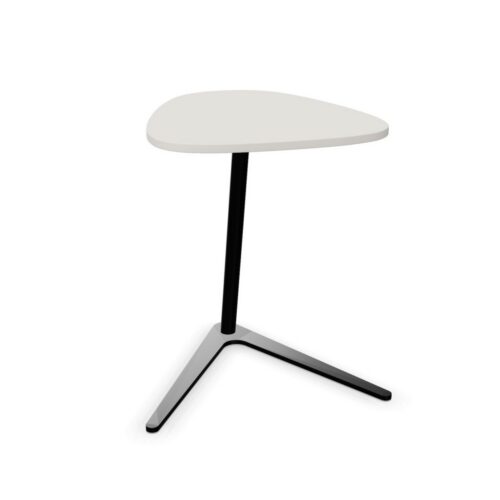

Conference Tables With Trigoon Tops and Red Surfaces
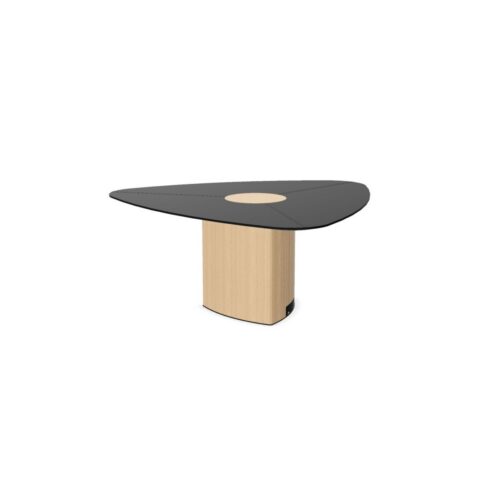
Begin with the meeting format rather than an assumed seating pattern. A trigoon top needs a layout based on its actual outline, so avoid copying chair positions from a rectangular table. Identify where participants will place their working materials and which direction they will face during discussion. The red surface adds another consideration: decide whether it should be the main color in the room or part of a repeated palette. These decisions work together because the table's placement affects how much of the colored surface is visible from the entrance and from surrounding work areas.
Check the Route From Door to Seat
Trace the route from the doorway to each intended chair before placing storage or presentation furniture nearby. A clear approach should remain usable when chairs are occupied or pulled back. With red trigoon conference tables, check the relationship between the tabletop perimeter and the surrounding circulation route at every seating position. A plan can look orderly while still leaving an awkward approach beside a cabinet or door. Also consider people arriving after the discussion has started. They should be able to reach a seat without requiring other participants to move their chairs or collect their belongings.
Give Red a Defined Role in the Palette
Use the red tabletop as a deliberate part of the room's color arrangement. If chairs or wall finishes already introduce several strong colors, review them together before adding another repeated accent. A restrained surrounding palette can make the table the clearest visual feature, while a coordinated red detail elsewhere can connect it with the room. Neither approach requires every finish to match. Compare the surface color with the actual surroundings under the lighting used for meetings. Pay attention to the view from the doorway as well as the view of someone seated at the table during an ordinary discussion.
