

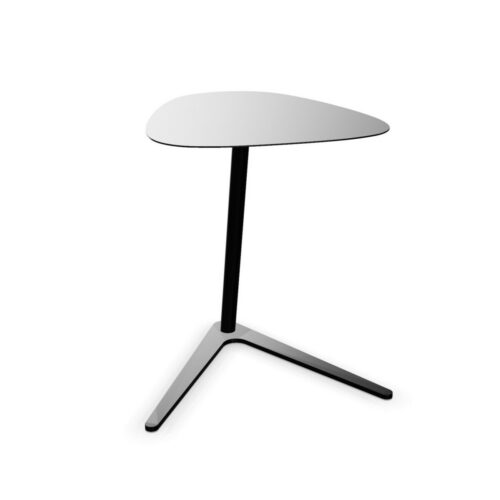
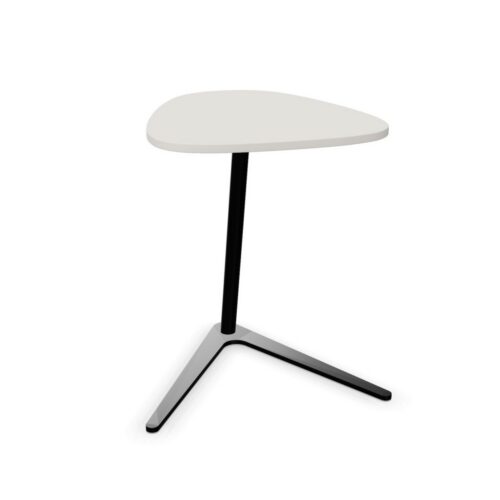
Brown Trigoon Tables for Shared Discussions

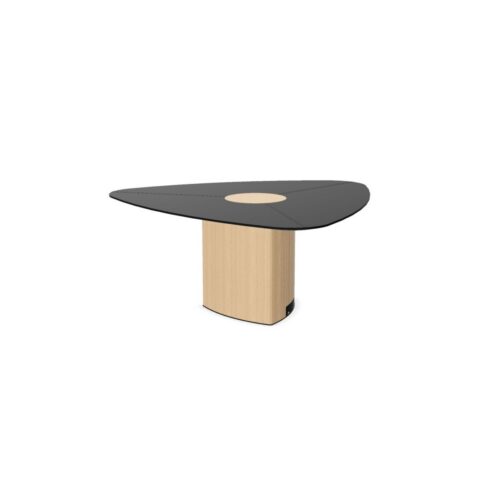
Conference tables with trigoon tops and brown surfaces pair a distinctive tabletop contour with a brown working background. The combination calls for decisions about how the table sits in the room and how its color relates to surrounding furniture. Brown is a surface color here; it does not establish wood construction, a grain pattern or a particular finish. Assess the appearance alongside flooring, doors, chairs and storage without making assumptions about those separate characteristics.

For the layout, start with the way participants share attention. Conversation, paper-based work and presentations place different demands on chair direction and access around the tabletop. A brown trigoon conference table should be reviewed with those activities represented in the room plan. Keep the contour visible when positioning chairs, and compare the surface with nearby tones from seated viewpoints. This helps connect the color decision with the practical arrangement of the meeting space.

2 models
From €105.43 p/m
€91.80 p/m
15 models
From €16.44 p/m
2 models
From €17.36 p/m
7 models
From €10.56 p/m
13 models
From €3.65 p/m
2 models
From €5.54 p/m
11 models
From €8.10 p/m
€15.68 p/m
2 models
From €3.69 p/m
10 models
From €25.28 p/m
67 models
From €17.45 p/m
5 models
From €9.88 p/m
2 models
From €5.94 p/m
20 models
From €16.42 p/m
5 models
From €34.09 p/m

Coordinating Conference Tables With Trigoon Tops and Brown Surfaces

Begin with the brown elements already present in the room. Doors, flooring or storage may provide an established color reference, but the table does not need to copy each of them. Decide whether it should continue that palette or form a separate element within it.

Compare the full setting rather than isolated color names. Brown surfaces can differ visually, and their relationship becomes clearer when chairs and walls are included. Look from the intended seating positions, where the tabletop occupies the foreground. Keep material assumptions out of this comparison: a brown appearance alone does not establish what the surface is made from or how it should be maintained.

Set Chairs Around the Discussion Pattern

The trigoon contour makes it useful to plan each intended chair position deliberately. Identify where participants will direct their attention during ordinary conversation and where a facilitator is likely to sit or stand. Then assess whether the arrangement supports those relationships without requiring chairs to be repeatedly moved.

Include the transition to a presentation if the room serves both purposes. A chair position that works for discussion still needs a practical view of the display. Check the route to a writing wall and the path back to the table. The brown surface helps define the visual setting, while the contour informs how these activities are arranged around it.

Give Shared Documents an Identifiable Place

Conference tables with trigoon tops and brown surfaces should be reviewed with the papers people actually use. Place shared documents where the intended participants can refer to them naturally. Keep personal notes in their working positions so the distinction between individual and shared materials remains understandable.

Consider how the tabletop looks as a meeting progresses. Finished documents, folders and bags can gradually change the arrangement and obscure the intended reference area. Decide where these items go when no longer needed. The objective is a consistent working routine that suits the contour, rather than a surface that looks orderly only before the first participant arrives in the room.

Connect the Table to Everyday Room Movement

Follow the arrival sequence from the doorway to a chair, then review the movement required to leave during a session. Include access to nearby storage and any presentation point. Planning around the actual trigoon outline helps reveal where the table, chairs and surrounding furniture need a different relationship.

Review these routes with chairs pulled into their working positions. Also consider the visual transition from floor to tabletop: closely related brown tones may make the boundary less distinct than contrasting colors. Assess that relationship under the intended room lighting. Bring circulation and color coordination together so the final arrangement remains understandable throughout normal use.

FAQ

Does a brown surface indicate a wood tabletop?

No. Brown describes color and does not identify the material or finish. Keep appearance, construction and care requirements as separate considerations when assessing a particular table.

Should the table match brown storage furniture?

Matching is optional. Compare the relationship in the complete room, including chairs and walls. A clear difference can be more intentional than a near match that varies between surfaces.

What makes a useful practical review?

Review conference tables with trigoon tops and brown surfaces with chairs positioned for use and ordinary documents present. Follow arrival routes and check how conversation shifts toward any shared display.

Explore related selections