

Black Trigoon Tops for Meeting Rooms

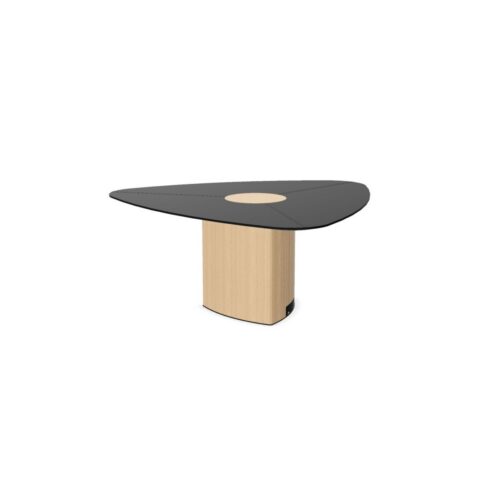
Conference tables with trigoon tops and black surfaces bring a dark working background together with a distinctive tabletop contour. Their appearance depends strongly on the surrounding floor, seating and walls, so assess the room as a complete setting. Black may create a clear boundary against pale surroundings or sit closer in tone to darker furniture. The trigoon outline adds a separate planning question: how should the table face the people, routes and presentation points around it?

Begin with chair positions and the meeting’s usual focus. A discussion-led arrangement may differ from one organized around a wall display. Place everyday papers and laptops on the table when reviewing the setting, since they introduce their own contrast against black. The color does not establish the finish or how light will reflect from it. A useful assessment combines the actual surface appearance with the movement and viewing needs of participants.

3 models
From €2.38 p/m
2 models
From €105.43 p/m
€91.80 p/m
15 models
From €16.44 p/m
2 models
From €17.36 p/m
Price on request
7 models
From €10.56 p/m
13 models
From €3.65 p/m
2 models
From €5.54 p/m
2 models
From €8.71 p/m
6 models
From €11.06 p/m
2 models
From €11.95 p/m
11 models
From €8.10 p/m
€15.68 p/m
2 models
From €3.69 p/m
€33.89 p/m
10 models
From €25.28 p/m
67 models
From €17.45 p/m
11 models
From €7.24 p/m
2 models
From €8.92 p/m
Price on request
3 models
From €9.64 p/m

Reviewing Conference Tables With Trigoon Tops and Black Surfaces

Consider how clearly the tabletop boundary can be seen against the floor and nearby chairs. A dark surface in a dark setting creates a different visual relationship from the same color against pale surroundings. Review this from the entrance and from the routes people take when approaching a chair.

The trigoon contour should remain part of that assessment. Follow the actual perimeter when planning access, rather than relying on a simplified room sketch. Include chairs pulled back for use and belongings placed where participants normally leave them. This reveals how the dark tabletop relates to the occupied meeting area as well as the empty room.

Place Bright Working Materials Deliberately

Pale documents and illuminated screens can draw attention against a black background. Arrange them according to the discussion rather than allowing contrast alone to determine where attention goes. Shared reference papers should have an agreed location, while personal notes can remain with their users.

Check the view across the tabletop with representative materials present. A collection of unrelated papers may become visually prominent even when each item is useful individually. Group documents by purpose and provide another place for anything not needed during the session. This keeps the relationship between the black surface, the trigoon outline and the active working area clear throughout the meeting.

Orient Seats for the Main Viewing Direction

Conference tables with trigoon tops and black surfaces should be positioned around the way information is shared. If a display is central to most meetings, assess its visibility from the intended chairs. If conversation is the main activity, review how naturally people can address one another without repeatedly changing position.

Consider the facilitator's movements too. A person presenting at a writing wall needs a clear route from the table. Check that this movement does not depend on someone else moving a chair. The tabletop shape is a reason to test the arrangement carefully, while the black color should be coordinated with the surrounding presentation area.

Evaluate the Surface Under Normal Room Lighting

Black describes color without establishing sheen, texture or reflective behavior. Observe the actual surface under the room lights and daylight conditions expected during use. Pay attention to the seated view, including any visible reflections near papers or screens that could draw attention away from the meeting.

Where the table appears visually dominant, review the surrounding palette before introducing additional dark elements. Chairs, storage and walls can either continue that emphasis or provide a contrasting background. Keep any adjustment connected to the whole room plan. A color decision works best when it supports an understandable meeting setting and leaves movement around the trigoon perimeter straightforward.

FAQ

Will a black surface have a matte finish?

Color alone does not establish finish. Assess the actual appearance under the intended lighting and keep questions about texture, sheen and care separate from the black color choice.

Should black chairs be used with this table?

They are optional. Compare chair visibility against both the tabletop and floor. A deliberate contrast can help clarify the arrangement, while matching tones create a different overall composition.

How can presentation use be checked?

Assess conference tables with trigoon tops and black surfaces from each intended chair position. Review display visibility, the direction people face and the route taken by anyone moving to present.

Explore related selections