








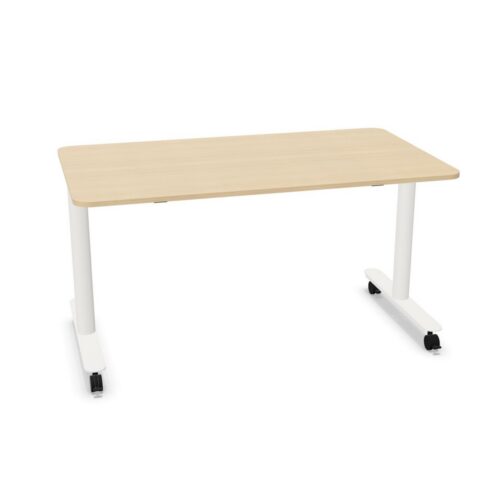
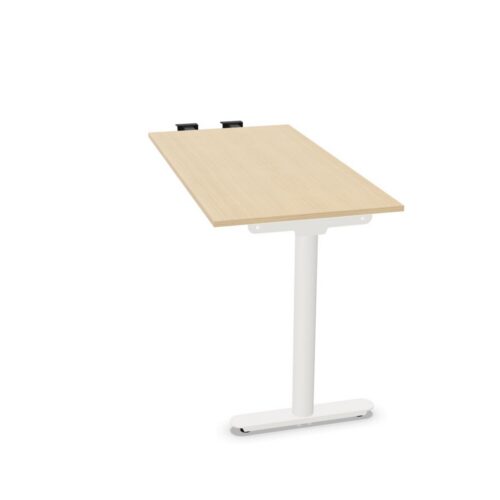
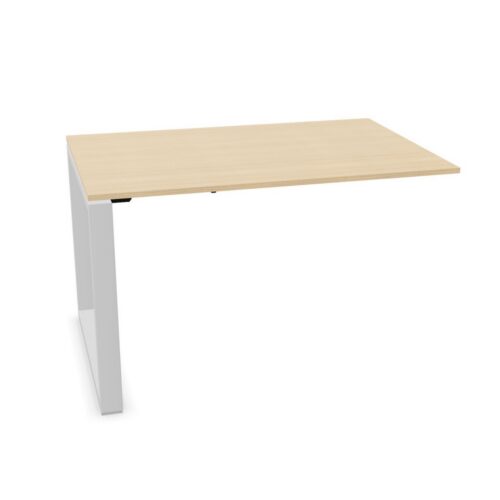


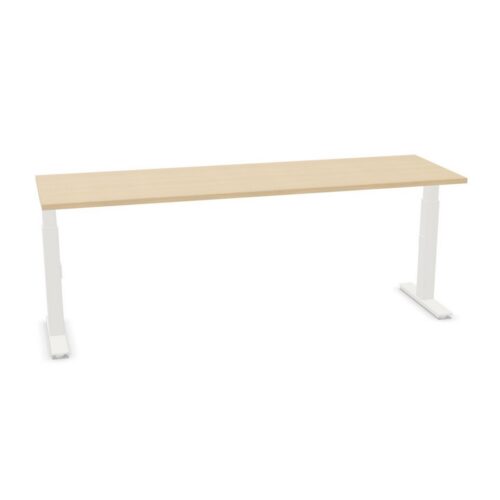

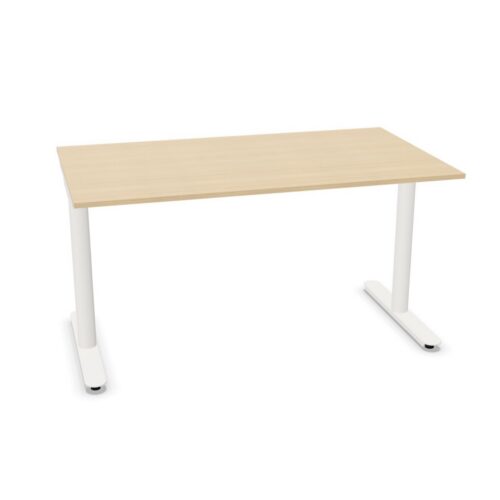



Choose beige for a balanced workplace scheme
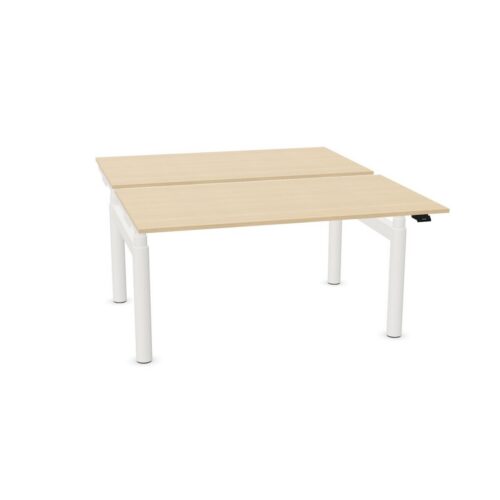
Beige can create a softer alternative to stark white or a stronger accent than grey. It works with natural-looking materials, pale interiors and many muted colors. Look at the specific finish, because a beige surface can vary in tone and texture between products. When coordinating several desks, compare their details alongside seating, storage and flooring rather than assuming their labels guarantee a close match.
A warm neutral surface can help bring different office elements together. It may let the equipment remain visually prominent or provide a calm setting for screens and accessories. Consider the room's light and whether the desk should blend into its surroundings or define a work zone. Coordinating beige with related finishes can create a welcoming feel while keeping the workstation suitable for focused daily work.
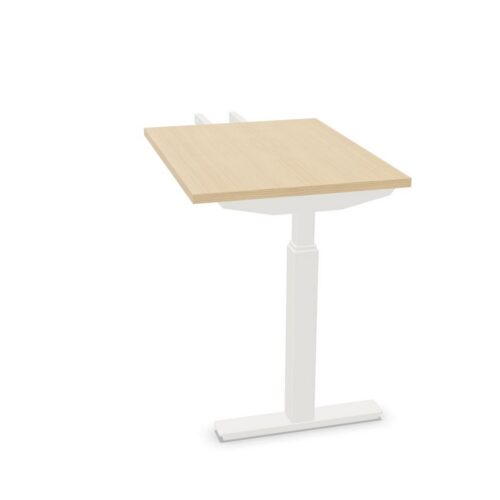
Make height adjustment useful for the team
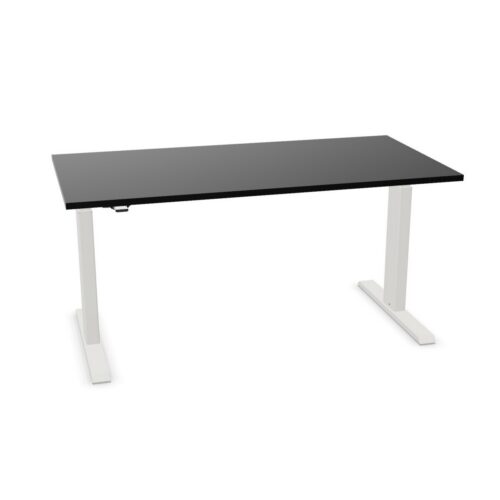
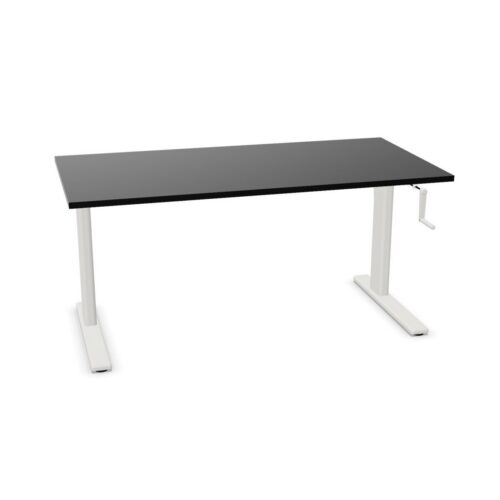
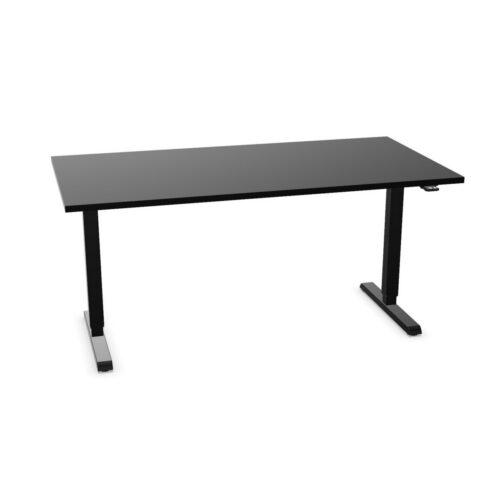
An adjustable work surface can be set for different users, tasks or working positions. Consider whether the desk will be dedicated to one person or shared, and how often its position may change. The screen, keyboard, chair and frequently used objects should support the work in each configuration. A clear routine for changing the desk can help users share the workstation without disrupting its setup.
Check the adjustment mechanism for the individual product. Allow room for the worktop to move, and make sure nearby storage, chairs or equipment do not obstruct it. Cable routing deserves particular attention: power and device leads need sufficient flexibility throughout the adjustment. Product details can vary across the selection, so confirm the control and frame information before specifying accessories or planning the workstation layout.
