

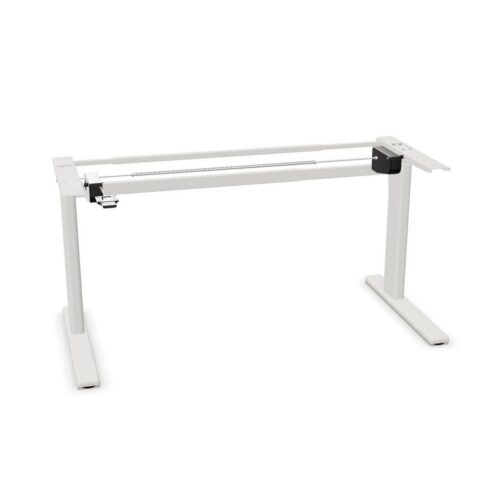
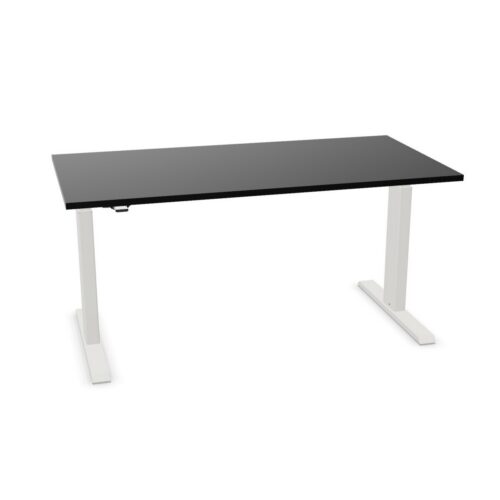
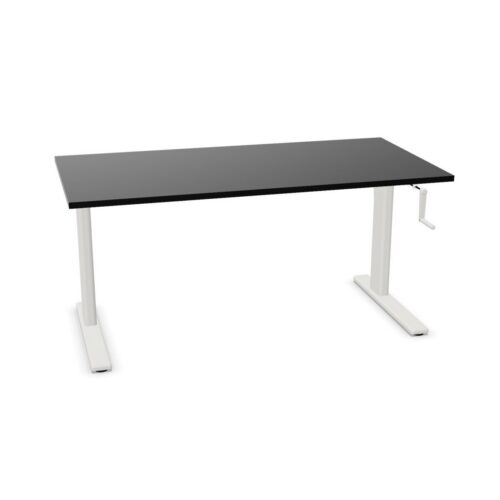
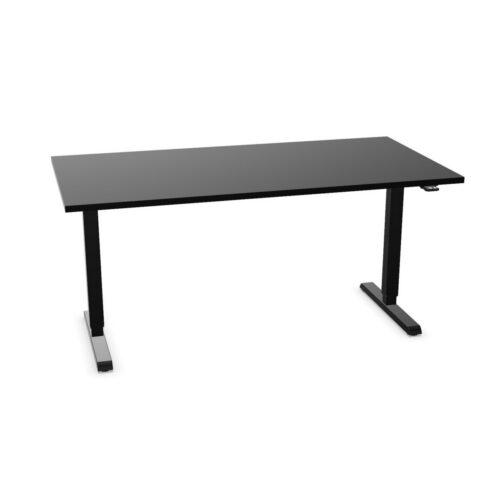
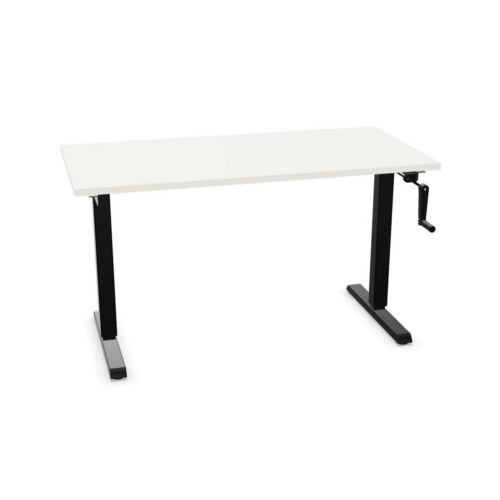
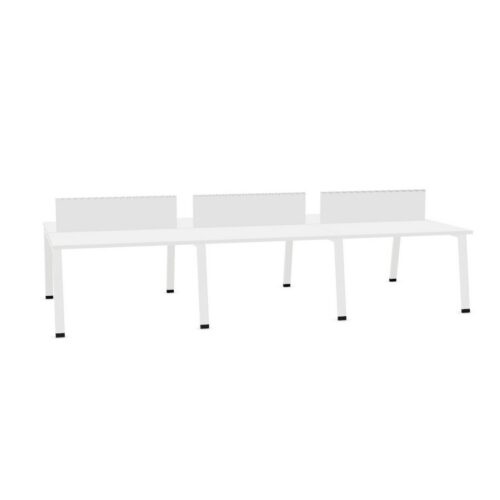
Desks with a white work surface and the no-cable-tray option

This page focuses on desks with a white work surface and the no-cable-tray option, a desk requirements to review alongside the purpose of the workspace. Room planning connects product choices with daily routines; use the floor layout at normal occupancy to test how these workstation details work in context. A considered selection should explain how the white work-surface colour and the no-cable-tray configuration suit the task.

A useful question for office managers is how the no-cable-tray configuration changes the working position decision once the white work-surface colour and the route between work areas are reviewed together. When the office has several uses, consider whether the no-cable-tray configuration and the white work-surface colour remain relevant across individual research and focused computer work.

2 models
From €13.57 p/m
4 models
From €14.44 p/m
2 models
From €10.30 p/m
2 models
From €12.20 p/m
3 models
From €27.53 p/m
3 models
From €44.81 p/m
5 models
From €27.43 p/m
2 models
From €7.99 p/m
5 models
From €20.42 p/m
4 models
From €1.17 p/m
3 models
From €6.42 p/m
12 models
From €4.31 p/m
3 models
From €41.70 p/m

Building a practical comparison

A specification for the selected desk search is most useful when it answers a workplace question; link the white work-surface colour and the no-cable-tray configuration to a task or planning constraint. If work changes between short team check-ins and shared office tasks, review the no-cable-tray configuration and the white work-surface colour against the walking routes plan and the needs of desk users. The office desk area should remain easy to navigate. Review the relationship with nearby storage, then check whether the workstation specification belongs in the proposed arrangement. Assess the white work-surface colour alongside the no-cable-tray configuration before confirming the choice. Review the no-cable-tray configuration and the white work-surface colour together, while keeping routes between work areas and the relationship with adjacent furniture visible throughout the selection process.

Using the filter in a office requirements

People entering a quiet office notice more than the office desk itself; relate the chosen details to chair-to-desk clearance and other items in the room before finalising the project plan. People entering a shared office notice more than the finish of a workstation; relate the no-cable-tray configuration and the white work-surface colour to how a user approaches the selected desk and adjacent furniture before completing the project plan. A room review can pair the white work-surface colour with the no-cable-tray configuration, then test both against how people enter and leave before desks are specified. For teams planning video calls, the white work-surface colour may answer one requirement while the no-cable-tray configuration addresses another; the office layout shows whether both belong in the project requirements.

Planning adjacent workstations

When use changes from paperwork to individual research, revisit the workstation brief and check whether the no-cable-tray configuration, the white work-surface colour and the surrounding furniture already in place still match the space. A desk schedule for the current workstation option can record the chosen values beside workstation positions, giving colleagues a reference during focused computer work. For this desk specification, relate the white work-surface colour to the no-cable-tray configuration. A furniture brief for this filter combination brings together the white work-surface colour, the no-cable-tray configuration, the people assigned to this work area and the office purpose. The planned room brief for a client-facing office can record the no-cable-tray configuration, the white work-surface colour and how individual work sits alongside shared tasks together, giving colleagues a concrete basis for comparison.

Reviewing the fit-out requirements

For the selected desk configuration, a consistent desk choice depends on the no-cable-tray configuration, the white work-surface colour, the intended activity and what users notice during regular work. The planned workstation should support the full activity, so interior project teams can review the white work-surface colour and the no-cable-tray configuration against the way through the work area before finalising an open-plan workplace. The office desk specification gains context from the planned room. Consider the white work-surface colour, the no-cable-tray configuration and the relationship with nearby storage together before deciding how to arrange document review workstations. If a multi-purpose room serves several purposes, assess the no-cable-tray configuration alongside the white work-surface colour and consider how quiet administrative work affects access around the desks.

Frequently asked questions

What information should accompany a desk requirements?

For workplace projects, the relevant product listings combine the white work-surface colour with the cable-tray choice. Read the selected specification before choosing a layout. Think of the cable-tray choice as one part of a wider decision: access to the working position can show whether the white work-surface colour works with adjacent furniture. For a flexible workspace project, keep the white work-surface colour visible in the workplace brief and check whether the cable-tray choice works with chair clearance.

What should a team check alongside desks with a white work surface and the no-cable-tray option?

Review the white work-surface colour and the cable-tray choice together against the work area dimensions, user needs and the proposed furniture plan. Use the proposed room layout to compare the cable-tray choice and the white work-surface colour; that gives project leads a practical basis for discussing how individual work sits alongside shared tasks. A concise project note links the cable-tray choice to the white work-surface colour and records how storage beside the working position affects the workstation arrangement in a compact work area.

How can planners review desks with a white work surface and the no-cable-tray option for a shared office?

A useful comparison places the white work-surface colour beside the cable-tray choice; this relationship matters when arranging compact floor plans. Before the current workstation option is added to the schedule, confirm the listed configuration and relate it to the cable-tray choice, the wider furniture scheme plan and room access. Check the white work-surface colour against the intended use. Because a studio workspace may be used for shared office tasks and client conversations, consider whether the white work-surface colour and the cable-tray choice answer separate parts of the project brief.

Explore related selections