

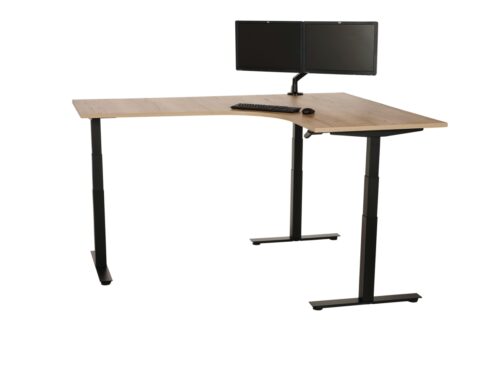
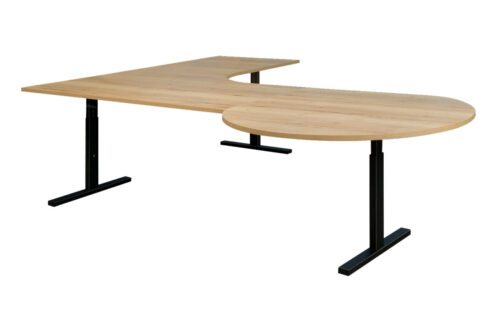
Desks with a corner-leaf tabletop

For projects specifying desks with a corner-leaf tabletop, the filter provides a practical starting point for desk planning. An office used for quiet administrative work may need a different layout from one used for collaborative planning; consider how the people working there’ regular work patterns and the corner leaf tabletop shape fit both patterns.

Review the people working there’ regular work patterns from the person using the desk’s perspective, then confirm that the corner leaf tabletop shape and the circulation route within the office suit team briefings in a studio workspace. Procurement teams can make the review more specific by noting the desk users’ regular work patterns, the corner leaf tabletop shape and the requirements that matter to the desk users. The workstation specification gains context from the space. Consider the corner leaf tabletop shape, the desk users’ regular work patterns and how people enter and leave together before deciding how to arrange longer project sessions workstations.

4 models
From €10.56 p/m
33 models
From €10.97 p/m
€29.50 p/m
€16.99 p/m
16 models
From €6.99 p/m
11 models
From €5.08 p/m
3 models
From €7.61 p/m
4 models
From €14.08 p/m

Relating the workstation to the proposed room layout

If the planned work pattern changes, revisit the workstation brief and check whether the corner leaf tabletop shape, the people working there’ regular work patterns and the route between work areas still match the planned room. If work changes between team briefings and shared office tasks, review the corner leaf tabletop shape and the people working there’ regular work patterns against the access around the desks plan and the needs of desk users. A furniture plan for document review in a private office should make the relationship between the corner leaf tabletop shape and the people working there’ regular work patterns clear, while leaving the relationship with storage open for review. Rather than applying one rule throughout the office, review the selected desk search in each planned zone and note any difference in how the space is used. A considered selection should explain how the corner leaf tabletop shape and the people working there’ regular work patterns suit the task.

Checking the wider furniture scheme

For a studio workspace, project leads can begin with the people working there’ regular work patterns, then test the corner leaf tabletop shape against how the worktop fits the upkeep routine while planning shared office tasks. For paperwork, the workstation has to suit its setting. Assess the desk users’ regular work patterns, account for the corner leaf tabletop shape and review the way through the work area before arranging furniture around the desk. For teams planning informal discussions, the corner leaf tabletop shape may answer one requirement while the people using the space’ regular work patterns addresses another; the planned room layout shows whether both belong in the project brief. For project leads, the connection between the corner leaf tabletop shape and the desk users’ regular work patterns matters most when the planned room is set up for focused computer work.

Reviewing the desk setup specification

The planned activity may change during the week. Check the corner leaf tabletop shape and the people using the space’ regular work patterns against both client conversations and changing work routines. A flexible workplace may host document review one day and longer project sessions the next, so assess how the selected desk configuration fits ordinary changes in use. A considered selection should explain how the corner leaf tabletop shape and the desk users’ regular work patterns suit the task. A useful question for project leads is how the desk users’ regular work patterns changes the working position decision once the corner leaf tabletop shape and access to power are reviewed together. For procurement leads arranging an open-plan workplace, connect the corner leaf tabletop shape with the desk users’ regular work patterns and check the route between work areas against online meetings before the space schedule is settled.

Using the filter in a project brief

Before confirming a desk arrangement, view the daily activity area from the approach route and the seated position; either perspective may reveal a planning issue. For this desk specification, relate the corner leaf tabletop shape to the people working there’ regular work patterns. A furniture brief for the workstation search brings together the corner leaf tabletop shape, the desk users’ regular work patterns, the intended users and the office purpose. During informal discussions, the office desk needs to suit the intended tasks as well as the proposed floor layout. Check the people working there’ regular work patterns alongside the corner leaf tabletop shape before settling on the listed configuration. Before the current workstation option is added to the schedule, confirm the listed configuration and relate it to the corner leaf tabletop shape, the planned furniture plan and room access. Record how the people using the space’ regular work patterns relates to the project brief.

Frequently asked questions

How can desks with a corner-leaf tabletop be reviewed in the proposed layout?

Use the corner leaf tabletop outline as the starting point, then consider whether workstation layout answers the needs of focus rooms. Compare desk options against a written brief covering how individual work sits alongside shared tasks, user needs and room purpose; this keeps the choice tied to practical requirements. For this desk specification, relate the corner leaf tabletop outline to workstation layout. If an open-plan workplace serves several purposes, assess workstation layout alongside the corner leaf tabletop outline and consider how client conversations affects movement through the space.

What does the desks with a corner-leaf tabletop filter identify?

Review the corner leaf tabletop outline and workstation layout together against the work area dimensions, user needs and the proposed furniture plan. Before judging the desk on looks, compare workstation layout with screen placement and nearby equipment; the selected arrangement should fit both a shared office and its regular activities. Record how the corner leaf tabletop outline relates to the workplace brief. When a flexible workspace is shared, facilities teams should review workstation layout, ask who relies on the corner leaf tabletop outline and check the access route.

How do the chosen desk specification relate to day-to-day tasks?

These desk details are most useful when checked against workstation layout in the proposed work area. A workplace review can link workstation layout with a considered furniture arrangement; considering the corner leaf tabletop outline while still keeping the selection grounded in regular office work. For the planned paperwork, check the working position’s relationship with the floor layout at normal occupancy; include the corner leaf tabletop outline and workstation layout in the same review.

Explore related selections