

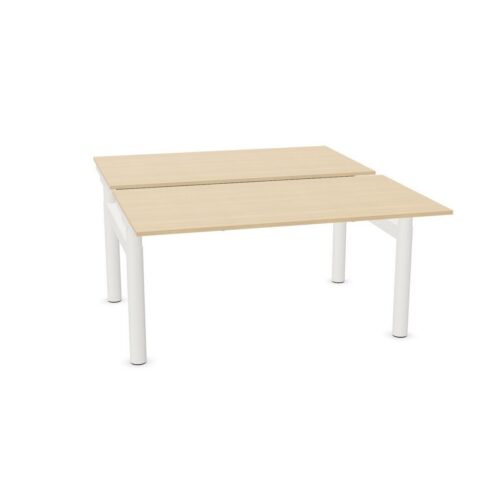
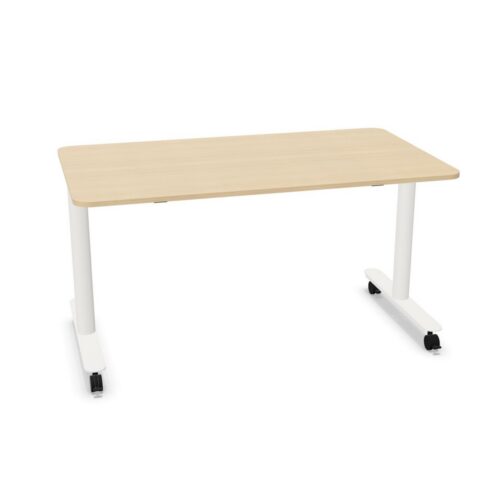
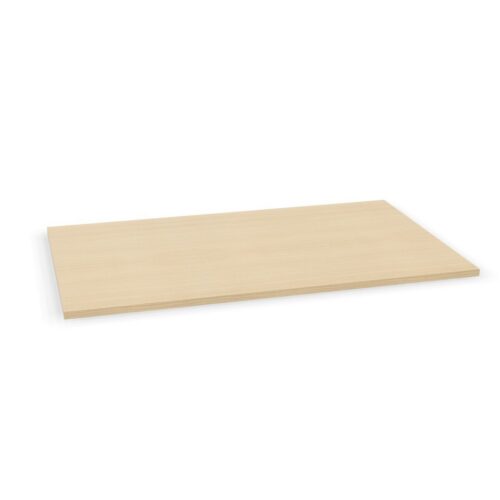
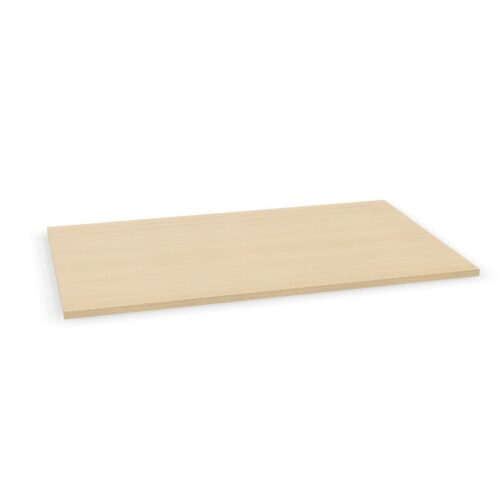
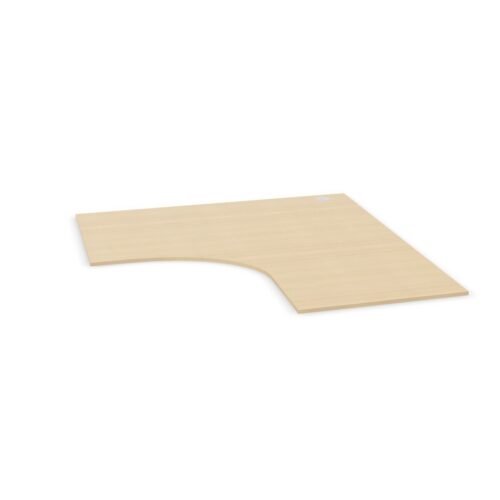
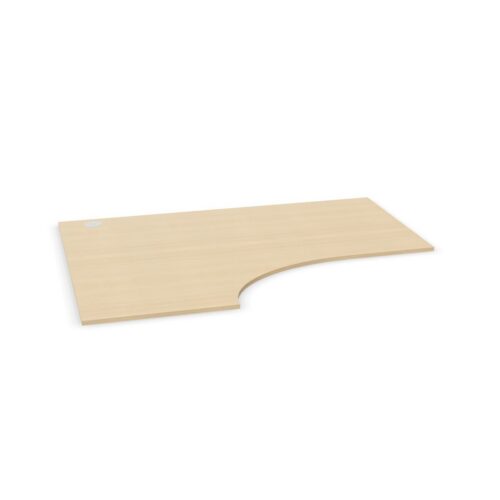
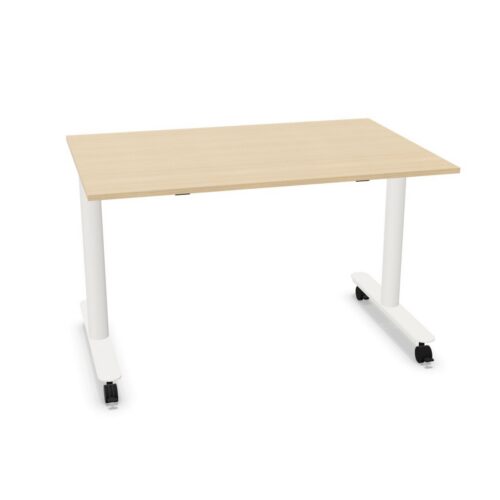
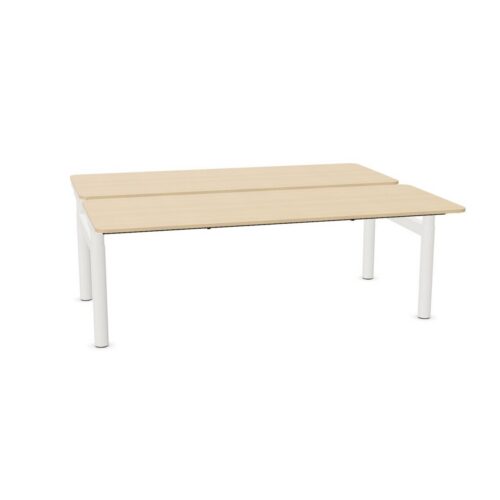
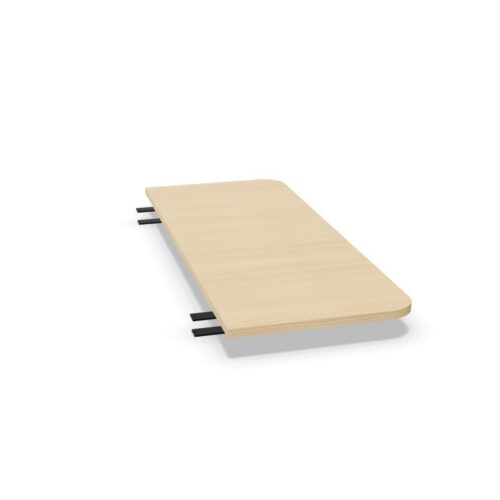
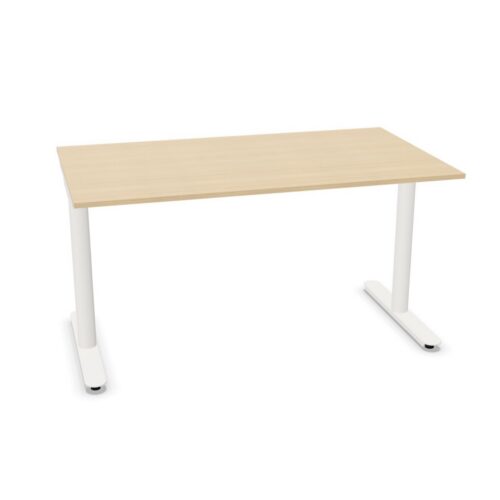
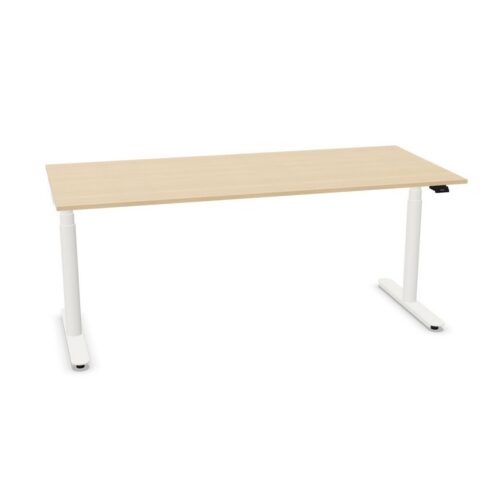
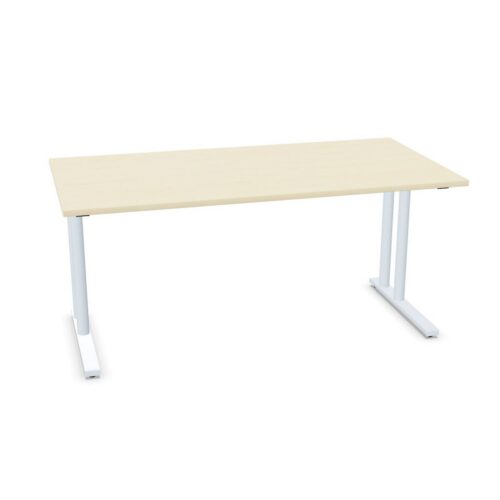
Desks with a rounded tabletop and a white work surface

A search for desks with a rounded tabletop and a white work surface narrows the selected desk range to a defined workplace requirement. A useful comparison begins with the surrounding furniture already in place; from there, assess how the white work-surface colour and the rounded both sides tabletop shape fit those working there who will use a staff area.

When the planned room has several uses, consider whether the rounded both sides tabletop shape and the white work-surface colour remain relevant across team briefings and informal discussions. Use the floor plan to compare the white work-surface colour and the rounded both sides tabletop shape; that gives procurement leads a practical basis for discussing storage beside the planned workstation. If a quiet office is shared, ask different users to review the furniture arrangement. Their feedback can clarify how the white work-surface colour relates to everyday work. Check the rounded both sides tabletop shape against the intended use.

7 models
From €24.93 p/m
2 models
From €3.32 p/m
24 models
From €6.52 p/m
16 models
From €1.85 p/m
2 models
From €2.01 p/m
2 models
From €2.07 p/m
15 models
From €0.88 p/m
5 models
From €1.21 p/m
2 models
From €11.03 p/m
2 models
From €15.70 p/m
7 models
From €42.05 p/m
67 models
From €10.56 p/m
2 models
From €12.28 p/m
3 models
From €26.12 p/m
16 models
From €6.99 p/m
6 models
From €6.35 p/m
11 models
From €5.08 p/m

Matching desk details to work routines

A short comparison note can show how the rounded both sides tabletop shape and the white work-surface colour answer different requirements within the same workspace. The review should start with how the space is used. buyers comparing desk needs can assess the white work-surface colour, consider the rounded both sides tabletop shape and verify the way through the work area before arranging desks. The office desk specification gains context from the planned room. Consider the white work-surface colour, the rounded both sides tabletop shape and the planned equipment for the selected desk together before deciding how to arrange individual research workstations. When the planning team reviews the specified desk, use chair-to-desk clearance as a practical test and note how the rounded both sides tabletop shape and the white work-surface colour influence the planned furniture decision.

Considering shared and focused work

If the planned work pattern changes, revisit the workstation brief and check whether the white work-surface colour, the rounded both sides tabletop shape and storage beside the planned workstation still match the office. A useful question for team coordinators is how the white work-surface colour changes the desk setup decision once the rounded both sides tabletop shape and storage beside the working position are reviewed together. If work changes between video calls and longer project sessions, review the white work-surface colour and the rounded both sides tabletop shape against the access around the desks plan and the needs of desk users. For workplace coordinators, narrowing the selected desk configuration creates a more focused review of the surrounding furniture already in place and the details that affect everyday activity. Assess the rounded both sides tabletop shape alongside the white work-surface colour before confirming the choice.

Comparing the listed desk details

In a project note, explain how the white work-surface colour affects the office desk choice and how the rounded both sides tabletop shape relates to lighting at the planned work surface. Think of the rounded both sides tabletop shape as one part of a wider decision: how the worktop fits the upkeep routine can show whether the white work-surface colour works with surrounding pieces. Because a reception office can support document review as well as quiet administrative work, assess the white work-surface colour beside the rounded both sides tabletop shape while keeping how people enter and leave in view. A flexible workplace may host collaborative planning one day and individual research the next, so assess how the selected desk configuration fits ordinary changes in use.

Coordinating workstation placement

A desk schedule for this filter combination can record the chosen values beside workstation positions, giving colleagues a reference during video calls. Keep the rounded both sides tabletop shape and the white work-surface colour together in the desk requirements. A project brief becomes more specific when procurement leads record how people enter and leave, identify the white work-surface colour and explain how the rounded both sides tabletop shape affects the planned workstation plan. The final arrangement for the specified desk should reflect the rounded both sides tabletop shape, the white work-surface colour, staff members doing the planned work and the route through the space. Before the specified desk is added to the schedule, confirm the listed configuration and relate it to the white work-surface colour, the surrounding furniture plan and room access. Record how the rounded both sides tabletop shape relates to the workplace brief.

Frequently asked questions

How should the rounded both sides tabletop shape be considered when planning desks with a rounded tabletop and a white work surface?

The filter brings together the rounded both sides tabletop outline and the white work-surface colour, giving planners a narrower brief for busy work floors. If the daily activity pattern changes, revisit the workstation brief and check whether the white work-surface colour, the rounded both sides tabletop outline and the relationship with nearby storage still match the office. Review the rounded both sides tabletop outline and the white work-surface colour together, while keeping routes between work areas and the relationship with surrounding pieces visible throughout the selection process.

How can planners review desks with a rounded tabletop and a white work surface for a shared office?

Check how the white work-surface colour relates to the rounded both sides tabletop outline before placing equipment or surrounding pieces. The workstation brief for a shared office should explain how the white work-surface colour and the rounded both sides tabletop outline relate to the relationship with nearby storage, then keep those points visible during comparison of desk options. When use changes from paperwork to document review, revisit the desk requirements and check whether the white work-surface colour, the rounded both sides tabletop outline and the position of adjacent desks still match the space.

What should a team check alongside desks with a rounded tabletop and a white work surface?

Use the office layout to test the rounded both sides tabletop outline and the white work-surface colour together rather than treating either as a standalone feature. When the work involves informal discussions, the way through the work area can show whether the rounded both sides tabletop outline and the white work-surface colour fit the intended desk plan. When the workplace team reviews the filtered range, use access to the planned workstation as a practical test and note how the white work-surface colour and the rounded both sides tabletop outline influence the planned furniture decision.

Explore related selections