

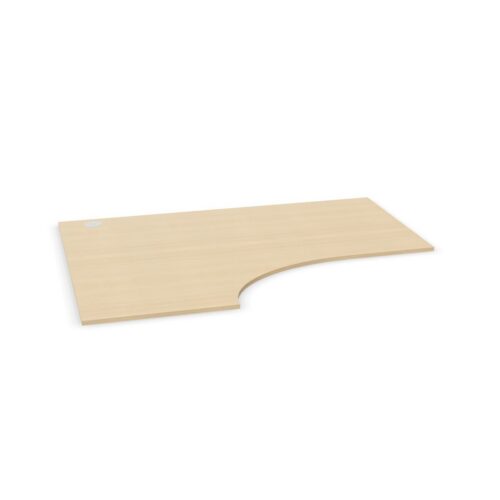
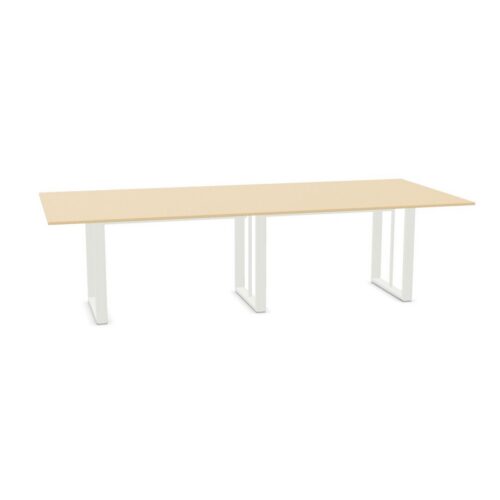
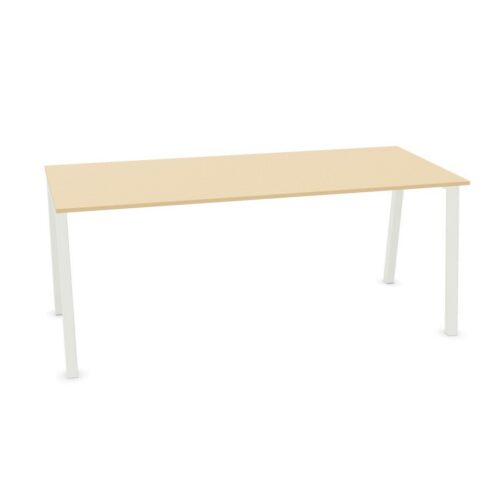
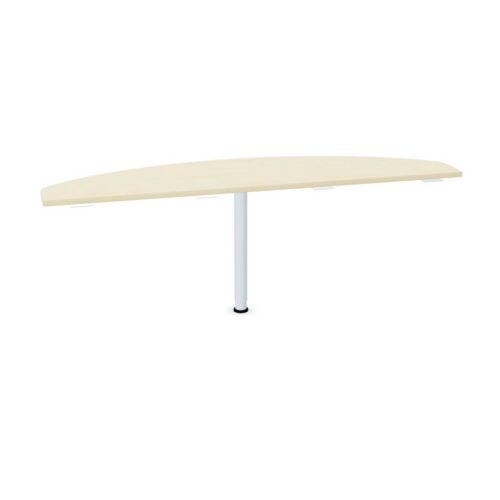
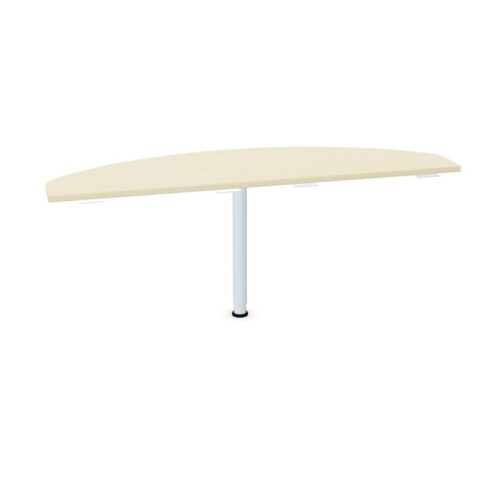
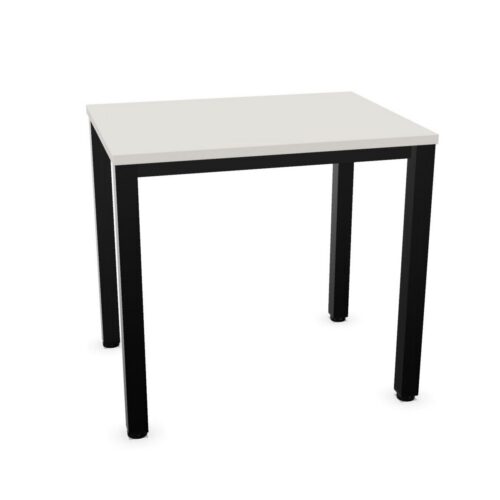
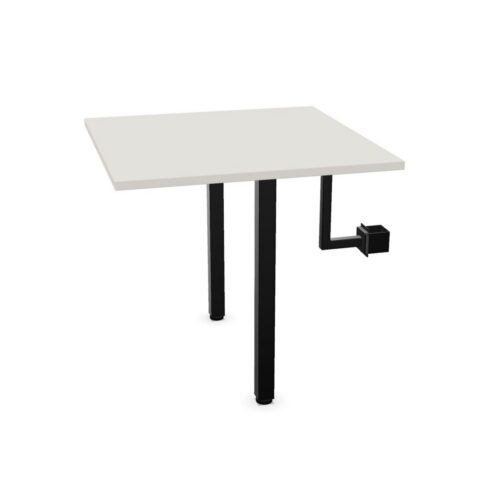
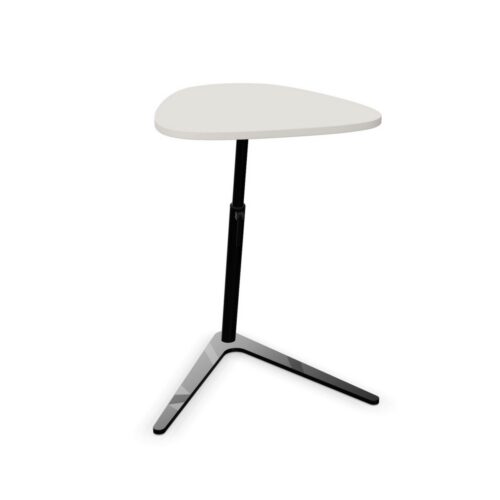
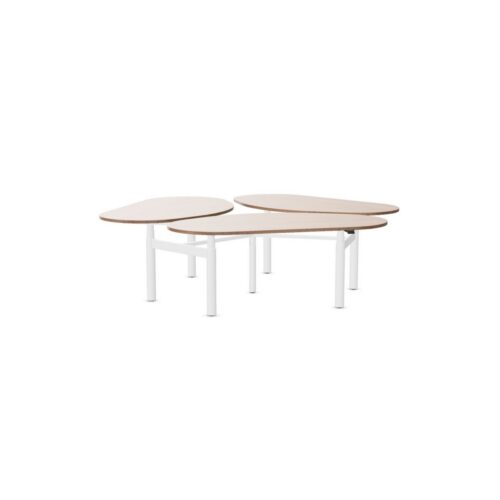
Desks with a round tabletop and a white work surface

This page focuses on desks with a round tabletop and a white work surface, a workstation specification to review alongside the purpose of the workspace. For the selected desk configuration, a consistent desk choice depends on the white work-surface colour, the round tabletop shape, the intended activity and what users notice during regular work.

The intended users should guide the comparison. A shared workstation area may need to support varied routines, while a dedicated zone can follow a narrower brief. A considered selection should explain how the round tabletop shape and the white work-surface colour suit the task. Room planning connects product choices with daily routines; use the relationship with storage to test how the chosen desk specification work in context. Assess the round tabletop shape alongside the white work-surface colour before confirming the choice.

2 models
From €3.32 p/m
16 models
From €1.85 p/m
2 models
From €2.07 p/m
15 models
From €0.88 p/m
5 models
From €1.21 p/m
28 models
From €18.24 p/m
67 models
From €10.56 p/m
4 models
From €8.45 p/m
7 models
From €8.06 p/m
6 models
From €7.20 p/m
3 models
From €15.44 p/m
10 models
From €5.08 p/m
11 models
From €5.08 p/m
5 models
From €5.08 p/m
4 models
From €8.24 p/m
6 models
From €10.62 p/m
19 models
From €7.22 p/m
33 models
From €3.75 p/m
5 models
From €4.98 p/m
4 models
From €8.02 p/m

Planning for everyday office tasks

Check screen placement and nearby equipment alongside the selected desk features; together, these points show how the filtered range fits within the planned workspace. Keep the round tabletop shape and the white work-surface colour together in the desk requirements. Because a multi-purpose room may be used for changing work routines and paperwork, consider whether the round tabletop shape and the white work-surface colour answer separate parts of the project brief. Room finishes, furnishings and light affect how a desk is perceived; compare the round tabletop shape and the white work-surface colour with the elements already in place. Start the comparison with the round tabletop shape. Then review the white work-surface colour and make sure the work area’s visual balance is covered in the a busy team space plan.

Checking the wider furniture scheme

In a project note, explain how the white work-surface colour affects the selected desk choice and how the round tabletop shape relates to storage beside the desk setup. The final arrangement for the current workstation option should reflect the round tabletop shape, the white work-surface colour, the users doing the intended tasks and the route through the space. A concise project note links the white work-surface colour to the round tabletop shape and records how the available floor area affects the office desk arrangement in a shared office. The relevant question for procurement leads is whether the white work-surface colour and the round tabletop shape match the people using the space and the expected tasks.

Preparing a clear desk schedule

A shortlist for buyers comparing desk needs should tie the round tabletop shape to a user need and the white work-surface colour to the floor layout of a meeting suite. A desk that looks suitable in isolation may not fit a working room; examine how the office desk sits within the space and the routines users follow before completing a considered selection. For this desk specification, relate the round tabletop shape to the white work-surface colour. For project leads, the connection between the white work-surface colour and the round tabletop shape matters most when the work area is set up for informal discussions. A considered desk plan accounts for movement of people across the space before furniture is positioned; this helps determine how the round tabletop shape and the white work-surface colour relate to the task.

Checking furniture access and movement through the space

Use the proposed room layout to compare the round tabletop shape and the white work-surface colour; that gives interior project teams a practical basis for discussing storage beside the desk setup. The selected filters describe separate parts of a desk. Consider the white work-surface colour with the round tabletop shape, then connect both to a cohesive office arrangement in a collaborative zone. A desk shortlist for an open-plan workplace should explain why the round tabletop shape matters, how the white work-surface colour changes the product specification and what requires review around the available floor area. Because a client-facing office can support short team check-ins as well as collaborative planning, assess the round tabletop shape beside the white work-surface colour while keeping movement of people across the planned room in view.

Frequently asked questions

Which project details matter when comparing desks with a round tabletop and a white work surface?

Use the round tabletop outline as the starting point, then consider whether the white work-surface colour answers the needs of collaborative rooms. Room planning connects product choices with daily routines; use the electrical and equipment layout to test how these workstation details work in context. The product shortlist should explain how the round tabletop outline and the white work-surface colour suit the task. A flexible workplace may host informal discussions one day and daily desk work the next, so assess how the workstation specification fits ordinary changes in use. Assess the round tabletop outline alongside the white work-surface colour before confirming the choice.

How do the chosen desk specification relate to everyday activity?

Assess the round tabletop outline against room lighting, while keeping the white work-surface colour visible in the furniture project requirements. When office administrators compare the listed configuration, start with the white work-surface colour, then test the round tabletop outline against the path between work areas prior to finalising desk placement. A considered desk plan accounts for the cleaning routine before furniture is positioned; this helps determine how the white work-surface colour and the round tabletop outline relate to the task.

How should the round tabletop shape be considered when planning desks with a round tabletop and a white work surface?

The final desk choice should account for the round tabletop outline, the white work-surface colour and the expected use of flexible offices. A furniture plan for team briefings in a private office should make the relationship between the round tabletop outline and the white work-surface colour clear, while leaving access to the planned workstation open for review. During longer project sessions, the office desk needs to suit the daily activity as well as the space plan. Check the white work-surface colour alongside the round tabletop outline before settling on the selected desk configuration.

Explore related selections