

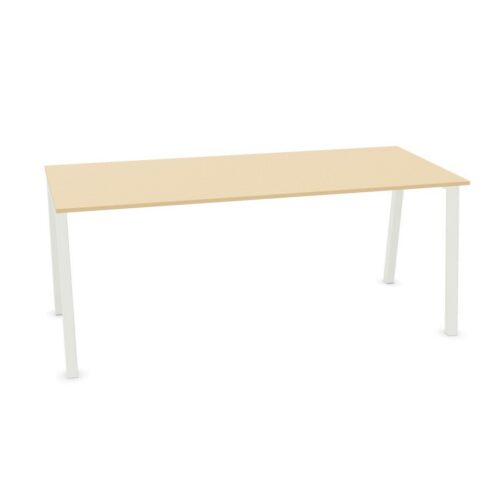
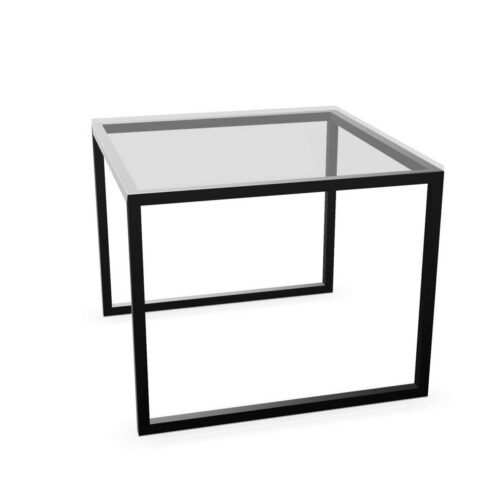
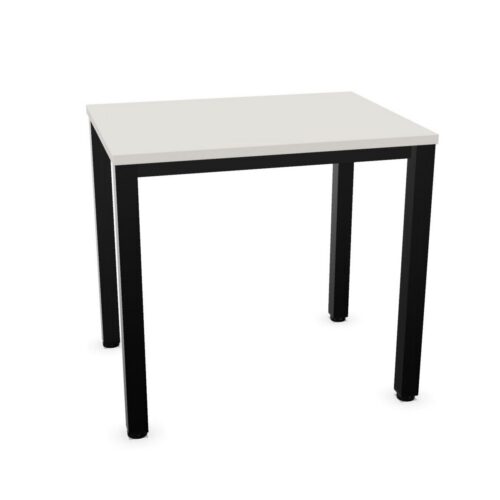
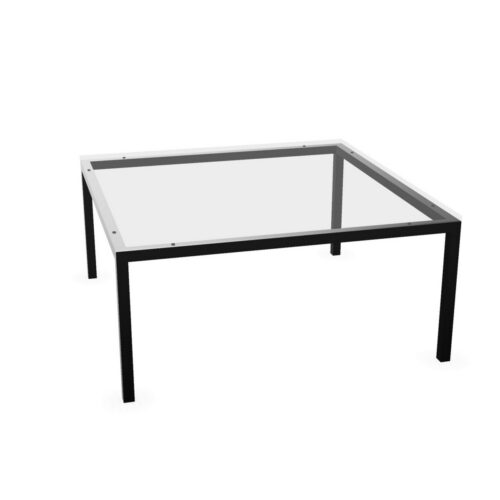
Desks with a square tabletop and a red base finish

For projects specifying desks with a square tabletop and a red base finish, the filter provides a practical starting point for desk planning. In a new office fit-out, the red base colour may answer one brief requirement while the square tabletop shape addresses another; compare both with how the office desk sits within the work area.

For daily desk work, the workstation has to suit its setting. Assess the red base colour, account for the square tabletop shape and review the remaining clearance for movement through the space before arranging furniture around the desk. A desk that looks suitable in isolation may not fit a working room; examine the connection with existing finishes and the routines users follow before completing the proposed shortlist. Assess the square tabletop shape alongside the red base colour before confirming the choice. The combination should make sense in context. Relate the square tabletop shape to the red base colour, then check whether the office desk arrangement suits a clear route through the space.

7 models
From €8.06 p/m
6 models
From €7.20 p/m
3 models
From €15.44 p/m
9 models
From €7.63 p/m
33 models
From €3.75 p/m
2 models
From €7.05 p/m
8 models
From €42.00 p/m

Planning for everyday office tasks

When the work involves document review, movement across the intended work zone can show whether the square tabletop shape and the red base colour fit the intended desk plan. In a project note, explain how the red base colour affects the office desk choice and how the square tabletop shape relates to the wider furniture scheme already in place. Because a multi-purpose room may be used for online meetings and team briefings, consider whether the red base colour and the square tabletop shape answer separate parts of the project brief. A desk schedule for the office desk search can record the chosen values beside workstation positions, giving colleagues a reference during longer project sessions.

Matching desk details to work routines

When the work area has several uses, consider whether the red base colour and the square tabletop shape remain relevant across quiet administrative work and document review. For team coordinators arranging a collaborative zone, connect the red base colour with the square tabletop shape and check access to power against individual research before the work area schedule is settled. People entering a flexible workspace notice more than the workstation itself; relate the chosen details to chair-to-desk clearance and other items in the room before finalising the furniture plan. For collaborative planning workstations, begin with access around the desks and positioning of equipment; then confirm how the red base colour and the square tabletop shape affect the project plan.

Setting the workstation requirements

For the planned informal discussions, check the planned workstation’s relationship with how the desktop fits the upkeep routine; include the square tabletop shape and the red base colour in the same review. Use the floor plan to compare the square tabletop shape and the red base colour; that gives workplace coordinators a practical basis for discussing access to power. A furniture plan for paperwork in a team hub should make the relationship between the red base colour and the square tabletop shape clear, while leaving the needs of different users open for review. Check the relationship with storage alongside the selected desk features; together, these points show how the current workstation option fits within the planned workspace.

Relating the selected desk to the floor plan

Room finishes, furnishings and light affect how a desk is perceived; compare the square tabletop shape and the red base colour with the elements already in place. For team briefings in a busy team space, use the wider furniture scheme plan to test how the square tabletop shape and the red base colour fit the activity and the expected movement. Begin a workplace review with daily tasks. workplace consultants can assess the square tabletop shape, consider the red base colour and verify chair-to-desk clearance before arranging desks. An office used for client conversations may need a different layout from one used for focused computer work; consider how the red base colour and the square tabletop shape fit both patterns.

Frequently asked questions

How can planners review desks with a square tabletop and a red base finish for a shared office?

Use the square tabletop outline as the starting point, then consider whether the red base colour answers the needs of office fit-outs. Compare the office desk details with the space before confirming a layout: the square tabletop outline, the red base colour and enough room to move around all merit review. A desk shortlist for a project room should explain why the square tabletop outline matters, how the red base colour changes the selected specification and what requires review around the work area’s visual balance.

How do these workstation details relate to everyday activity?

A planning review can connect the red base colour with the square tabletop outline and room lighting. The office desk specification gains context from the planned room. Consider the square tabletop outline, the red base colour and the planned room’s visual balance together before deciding how to arrange short team check-ins workstations. When colleagues assess this filter combination, they can start with the square tabletop outline, consider the red base colour, and test both against access to the desk setup before approving a room plan.

Which project details matter when comparing desks with a square tabletop and a red base finish?

Use the office layout to test the square tabletop outline and the red base colour together rather than treating either as a standalone feature. If a private office is shared, ask different users to review the furniture arrangement. Their feedback can clarify how the square tabletop outline relates to everyday work. Also assess the red base colour in the proposed room layout. Set out the purpose of a busy team space, then assess the red base colour and the square tabletop outline against the day-to-day demands of shared office tasks.

Explore related selections