












Make The Intended User Group Specific
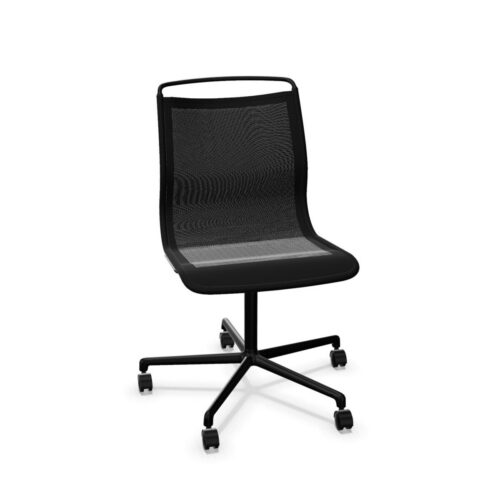
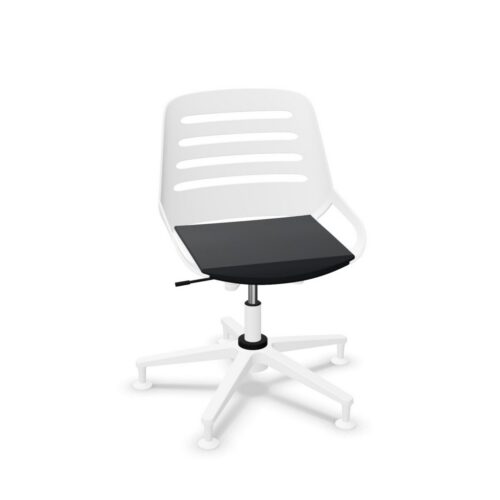
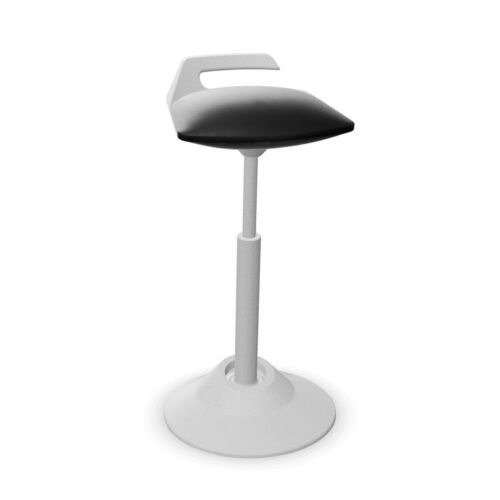
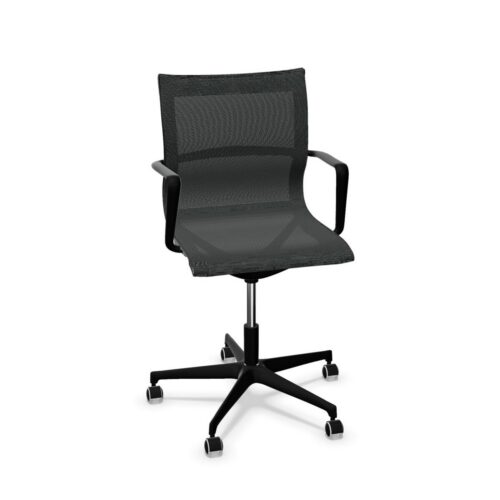
Identify who will use the seating and how the work will be organised. An assigned workstation and a desk shared by changing users need different assessment plans. Compare fixed depth office chairs with unspecified standards against those actual arrangements, including the people whose requirements differ. Ask each participant to sit at the relevant desk and perform familiar tasks. Record whether the existing depth works with their seated position and equipment access. Do not assume that one favourable assessment applies to everyone else. If the seating role changes, the original findings should provide context for a new review rather than automatic approval.
Compare Actual Dimensions Instead Of Depth Labels
Confirm how the seat has been measured and obtain the dimensions relevant to the assessment. Fixed depth describes the absence of depth adjustment; it does not establish a particular size. Different office chairs can therefore require separate fit checks even when both lack this control. Use the dimensions to prepare the trial and then observe the user in the complete workstation arrangement. Ask about sitting back, reaching frequently used equipment and changing position. Record the specific task and desk alongside the feedback, so colleagues can understand what was assessed and avoid applying the findings to an unrelated seating situation.
