















Measure The Dimension That Cannot Be Changed
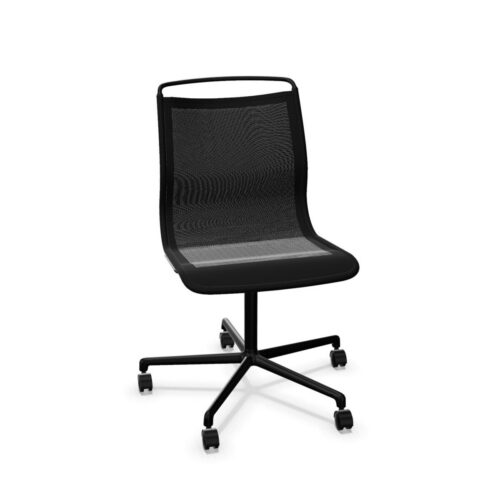
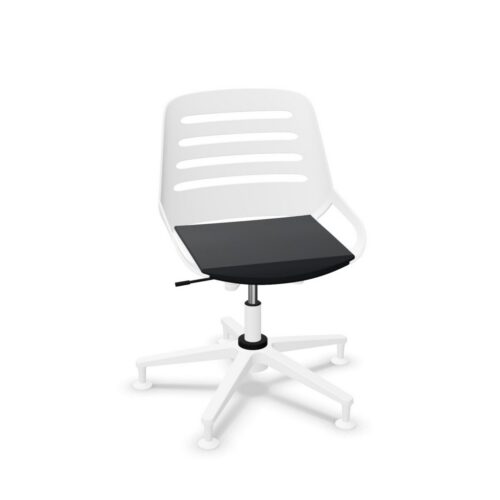
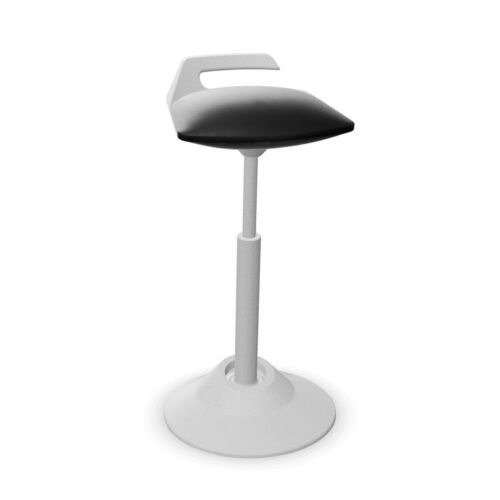
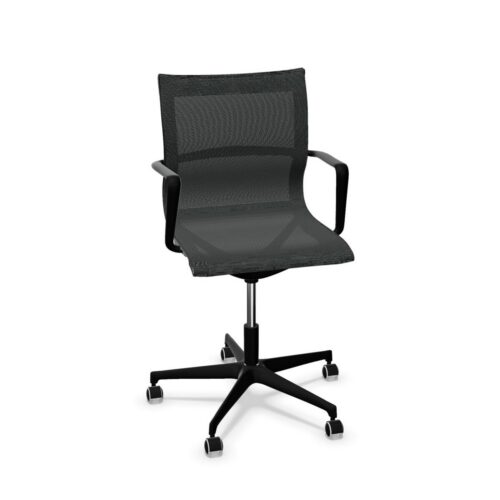
Request the seat depth measurement and clarify how it has been measured. Use that information to organise comparisons, then verify the fit with a seated trial. A measurement provides a useful reference, but the relationship between the seat, backrest and individual body proportions still needs observation before the chair can be assigned with confidence.
During the trial, look for a workable relationship between backrest contact and space behind the knees. If the user has to move forward to avoid the seat edge, note what happens to back support. If the seat feels short, record the user's experience without assuming that every person will respond in the same way to the same dimension.
Decide How Chairs Will Be Assigned
Fixed depth makes the intended allocation important. An individually assigned chair can be assessed against one person's requirements, while a shared chair must be considered across the relevant group. Establish the allocation method early so that the trial reflects actual use, including any expected changes in who occupies the workstation during the working week.
Where several users are involved, include different thigh lengths and body proportions in the assessment. Record where the fixed dimension works and where it creates a compromise. An office does not need one identical chair specification to make consistent decisions; it needs a clear method for identifying suitable seating and directing people towards the configurations that fit them.
