

Office Chairs With Adjustable Depth And Unspecified Standards

Office chairs with adjustable depth and unspecified standards require two different decisions: how to evaluate the seat adjustment and how to clarify the standard information. Adjustable seat depth is established for this combination. A named standard is not specified, which should be treated as an information gap rather than interpreted as confirmation that the seating has no standardisation.

For the office manager, these questions can be explored through a clear sequence. First, identify any standard required by the workplace brief and request relevant clarification. Next, confirm the available depth settings and arrange a trial with intended users at their desks. The adjustment range, operating method and other chair features still need separate confirmation. Keep evidence requests alongside practical observations, so a useful adjustment does not obscure an unresolved requirement. The aim is a decision that explains both what has been verified and what remains unknown about the chair’s suitability for the planned work. Make those questions clear to all reviewers.

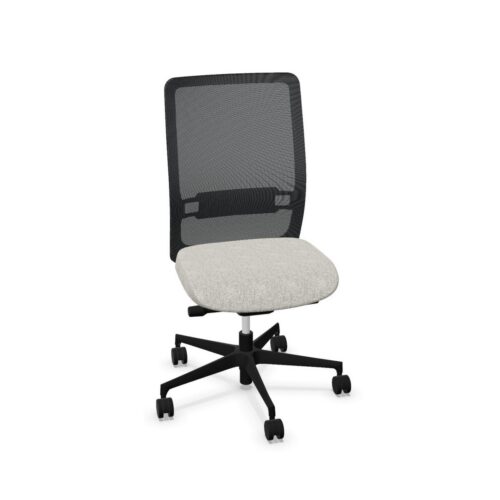
3 models
From €10.17 p/m
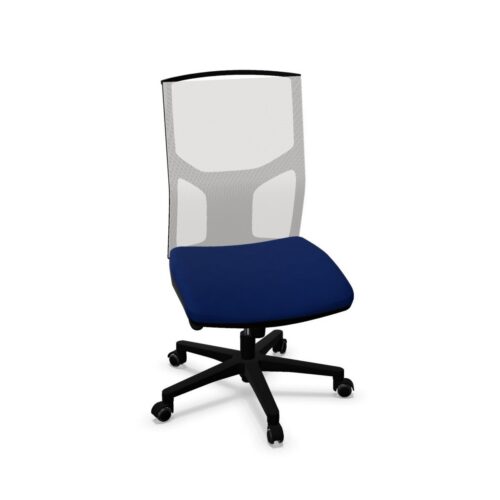
2 models
From €9.18 p/m
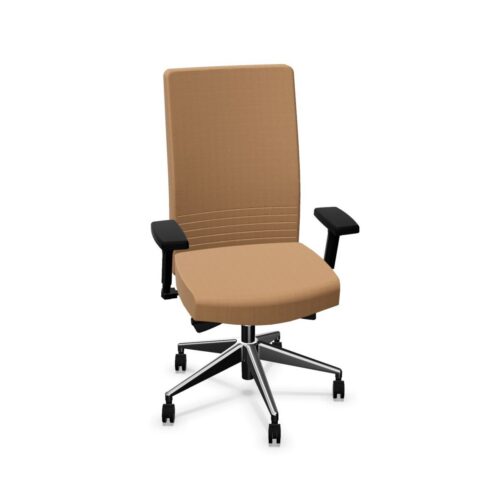
7 models
From €7.54 p/m
5 models
From €8.41 p/m
2 models
From €8.08 p/m
5 models
From €8.28 p/m
5 models
From €17.49 p/m
2 models
From €17.02 p/m
2 models
From €17.92 p/m
2 models
From €15.27 p/m
9 models
From €10.37 p/m
9 models
From €4.49 p/m
4 models
From €7.32 p/m
4 models
From €8.24 p/m
10 models
From €5.35 p/m
12 models
From €6.44 p/m
6 models
From €8.63 p/m
24 models
From €6.31 p/m
7 models
From €2.97 p/m
€8.20 p/m

Resolve Standard Questions Before Drawing Conclusions

List any named standards that the workplace requires, then ask for information relating specifically to the chair under consideration. When assessing office chairs with adjustable depth and unspecified standards, keep the standard question open until suitable information is available. Do not infer compliance from the presence of an adjustment, and do not infer an absence of standardisation from missing details. Record what has been requested, who is responsible for responding and which decision depends on the answer. This gives the office manager a practical way to manage uncertainty without allowing an unconfirmed claim to shape the seating assessment or allocation.

Establish What Adjustable Depth Actually Offers

Confirm the seat depth range and the method used to change it. Ask for operating guidance, then have intended users try the control themselves. The presence of adjustment does not establish how many settings are available or how easily a particular person can use them. In comparisons of office chairs, record the actual settings assessed rather than describing a feature as generally suitable for everyone. Ask participants to explain their chosen position and any difficulty reaching or operating the control. Their comments should relate to the intended desk and activities, so the assessment considers practical use as well as feature presence.

Compare Depth Settings Within The Whole Workstation

Arrange office chairs with adjustable depth and unspecified standards at representative desks, using the equipment people normally need. Check how the chosen depth relates to sitting back, reaching work items and changing position. Confirm other chair functions before including them in the trial. Adjustable depth does not establish seat height adjustment, armrest features or a particular backrest arrangement. If several people share the seating, ask each to review the setting rather than assume the previous person's choice is appropriate. Record the differences between users and tasks, and identify where further assessment or a different seating arrangement may be necessary.

Build A Decision Record That Can Be Updated

Separate the assessment into confirmed features, practical findings and unresolved questions. Include care instructions and dimensions alongside the depth adjustment observations, so operational needs are represented in the review. For office chairs under consideration, make clear which points would prevent a decision if they remained unanswered. Update the record when standard information becomes available, rather than relying on an earlier assumption. If the intended user group or desk arrangement changes, revisit the practical assessment as well. This creates a useful basis for workplace planning because colleagues can see both the evidence available and the conditions under which the chair was assessed.

Adjustable Depth With Unspecified Standards: FAQ

Does Unspecified Mean No Standardisation?

No. Office chairs with adjustable depth and unspecified standards have no named standard specified. Clarify the position directly instead of treating missing standard information as either evidence of compliance or confirmation that no standardisation applies.

Is A Particular Adjustment Range Guaranteed?

No range is established by the presence of adjustable depth alone. Confirm the available settings and operating method, then assess them with the people expected to use the seating at the intended workstations.

What Should Delay A Seating Decision?

An unresolved requirement that is essential to the workplace brief needs attention before selection. Identify that requirement clearly, request the relevant evidence and keep practical trial feedback separate from the unanswered question. Assign responsibility for obtaining the information needed to resolve it.

Explore related selections