










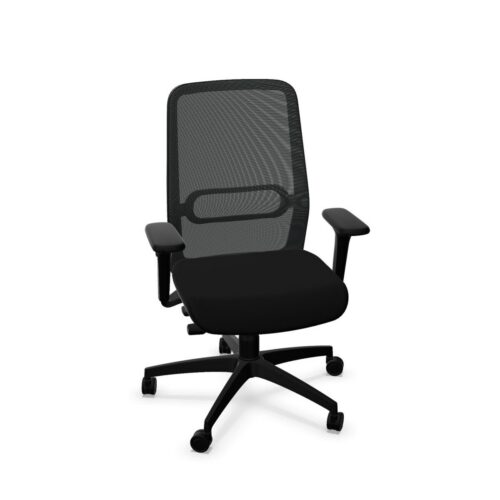


Match the Fixed Height to Furniture
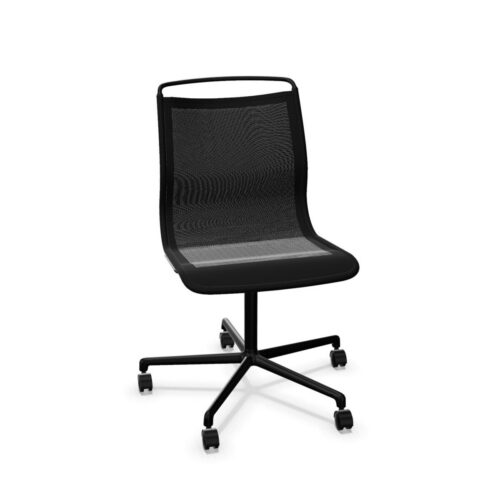
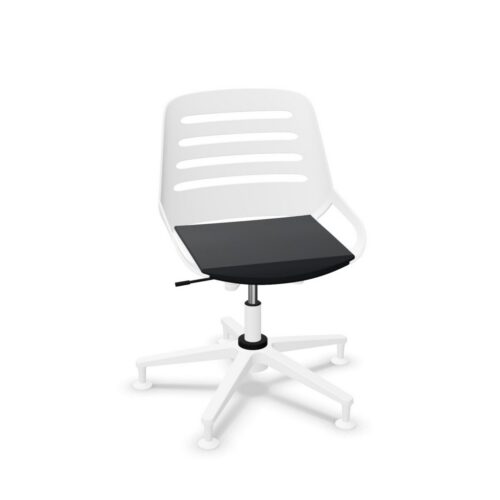
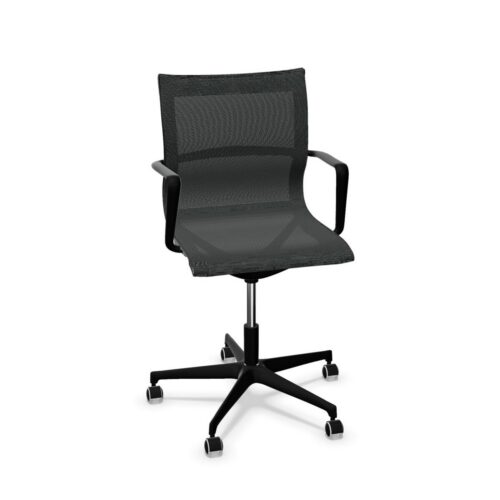
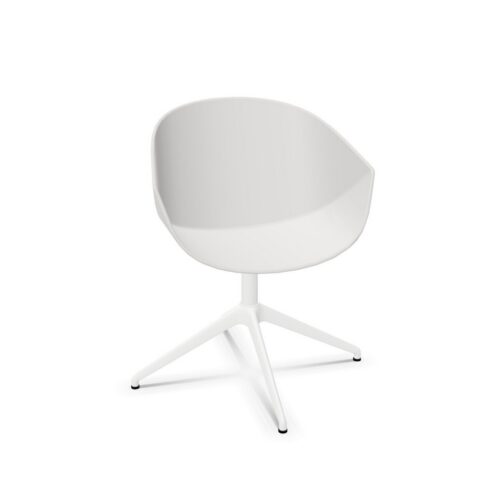
Begin with the relationship between the seat and the work surface. For fixed-height office chairs with unspecified standards, obtain the actual seat height and compare it with the furniture already in place. Ask the intended user to sit normally and reach the working area. Check the space available beneath the desk as well as the distance to commonly used items. A chair can fit neatly into a room while still leaving its user poorly positioned for the task. Record the combination of chair and furniture that was assessed.
Keep Evidence Separate From Assumptions
The missing standards reference leaves a question to resolve during comparison. Ask what written information supports the intended use, and distinguish confirmed details from descriptions that cannot be checked. Do not infer a particular level of strength, durability or suitability from appearance alone. When comparing office chairs, use the same questions for every option so that missing information remains visible. A short assessment sheet can capture the stated dimensions, available instructions and unresolved points. This creates a clearer basis for discussion with colleagues responsible for furniture decisions across the workplace.
Allocate Seats Around Actual Users
A fixed setting deserves particular attention wherever people share furniture. Fixed-height office chairs with unspecified standards should be assessed with the people likely to use them, including those whose requirements differ from the first person conducting the trial. Ask each participant to describe specific difficulties rather than provide only a general comfort rating. Can they place their feet as intended, approach the table and sit without moving forward unnecessarily? Use those observations to decide where a chair belongs. Keep alternative seating arrangements available when one fixed height does not suit everyone.
