

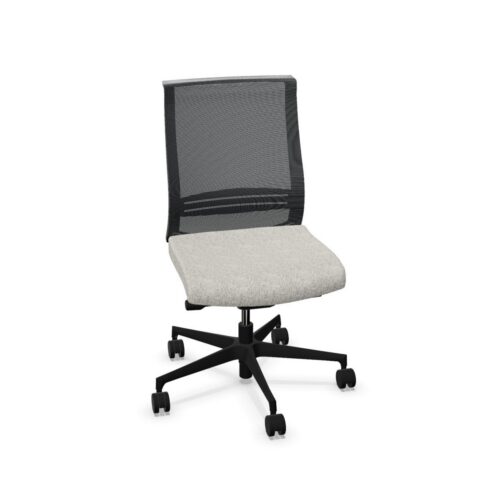
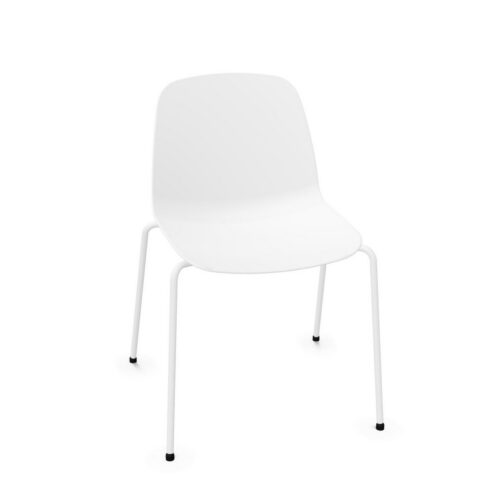
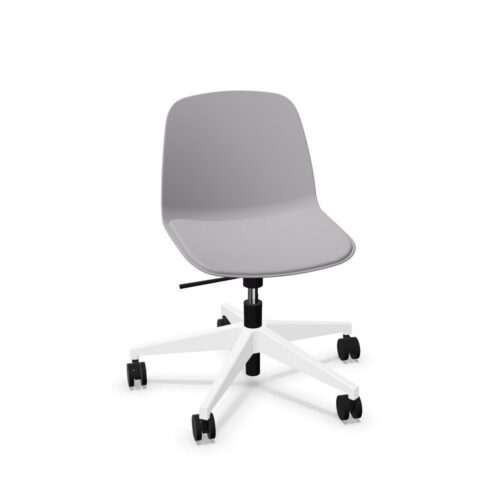
Adjustable Seat Height Office Chairs With Unspecified Standards

Adjustable seat height office chairs with unspecified standards present a clear functional detail alongside an unanswered documentary question. The seat height can change, while the supplied information does not identify a standard. An unspecified standard should remain an open question rather than being interpreted as either confirmed standardisation or its absence. An office manager can investigate that question while developing a practical assessment of the chair’s height adjustment.

Begin with two records: the workstation requirements and the information still needed about the seating. Establish the actual height range and how the control operates, then trial the chair at the intended work surface. Compare office chairs through foot placement, access to the desk and the needs of different users. Separately, ask which standards, if any, are supported by documentation for the configuration under consideration. This approach allows useful assessment work to continue while keeping the unresolved evidence position clear throughout the comparison and any later decision about workplace allocation.

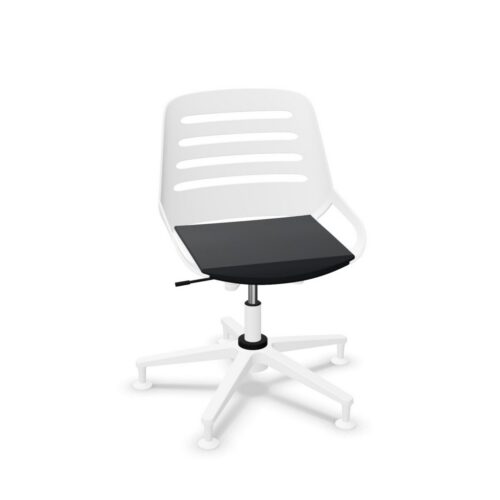
2 models
From €10.32 p/m
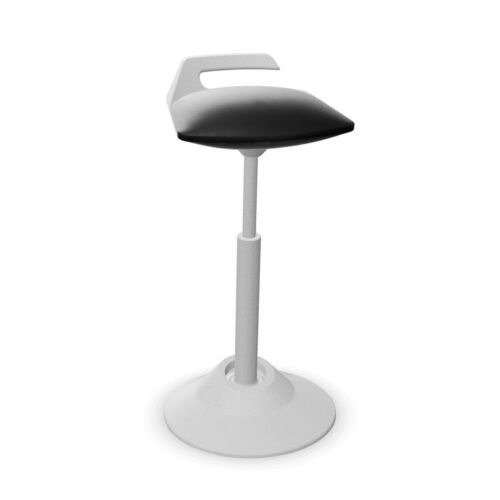
3 models
From €10.49 p/m
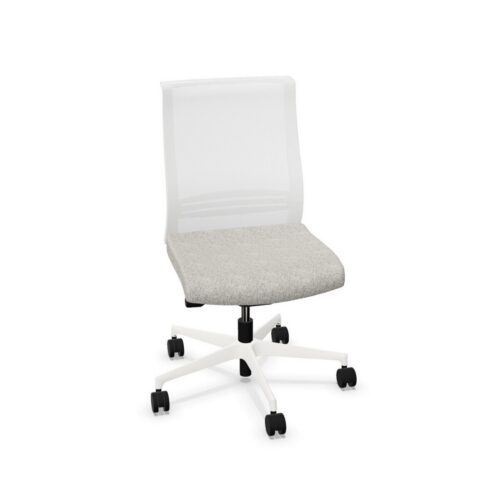
2 models
From €6.87 p/m
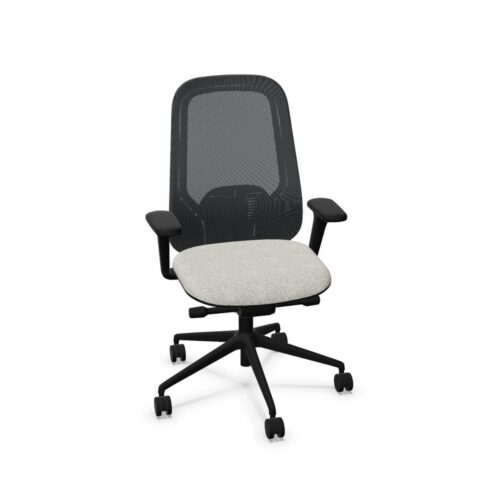
6 models
From €10.17 p/m
4 models
From €28.11 p/m
6 models
From €23.37 p/m
5 models
From €8.28 p/m
6 models
From €10.09 p/m
3 models
From €9.96 p/m
2 models
From €17.02 p/m
2 models
From €17.92 p/m
2 models
From €15.27 p/m
9 models
From €10.37 p/m
2 models
From €13.39 p/m
5 models
From €3.59 p/m
2 models
From €3.69 p/m
4 models
From €6.62 p/m
9 models
From €4.49 p/m
4 models
From €4.10 p/m
11 models
From €3.40 p/m
4 models
From €7.32 p/m
12 models
From €7.44 p/m

Keep An Unspecified Standard As An Open Question

For adjustable seat height office chairs with unspecified standards, ask directly what documentary evidence is available. Request identification of the chair configuration and clarification of any standard being claimed. Do not treat the unanswered position as proof that no assessment exists, or assign a standard based on appearance or adjustment features. Record the response and any remaining uncertainty. If your organisation requires particular evidence, state that requirement before drawing a conclusion. This creates a clear distinction between information that has not yet been supplied and information that has been checked, helping colleagues understand the basis and limits of the review.

Translate Adjustable Height Into Measurable Fit

Confirm the minimum and maximum seat heights, the method used to measure them and the operating instructions. Then assess the available positions with users at the real desk or table. Observe foot placement and task access together, since changing height alters both relationships. A stated adjustment function does not provide the range or establish that the workstation will suit every participant. Office chairs also need separate checks on other relevant dimensions and components. Keep these checks tied to the room brief, documenting any additional workstation changes required instead of attributing the complete result to the chair's height control alone during assessment.

Compare Candidates Without Filling Evidence Gaps

Assess adjustable seat height office chairs with unspecified standards using the same practical criteria applied to other candidates. Keep the standards question visible in a separate evidence column rather than scoring it through guesswork. Record confirmed dimensions, user observations and operating details under their own headings. This prevents a favourable seating trial from being used to answer a documentary question it cannot resolve. It also prevents missing information from concealing useful confirmed features. An office manager can then identify which requirements have been addressed, which need further investigation and whether an unresolved question concerns physical fit, everyday operation or supporting documentation.

Prepare A Clear Handover For Shared Workstations

If several people will use the seating, include repeated height setup in the trial. Show participants the actual control and ask them to adjust the chair according to its instructions. Record any difficulty reaching the control or understanding its operation. Obtain guidance for care and any other confirmed functions, without assuming additional adjustments are present. Keep unanswered standards questions with the assessment until clarified. A useful handover explains the conditions of the trial, the users involved and the information still outstanding. This helps future facilities staff reassess the chair if its desk, location or expected user group changes after initial allocation.

Questions About Unspecified Standards

Does Unspecified Mean The Chair Has No Standardisation?

No. It means the supplied information does not identify a standard. Ask for clarification and supporting evidence before assigning either position. Keep the question open in the assessment record, especially where a documented standard forms part of your organisation's seating requirements.

Can Height Adjustment Be Assessed Before Evidence Arrives?

Yes, practical assessment can establish observations about the confirmed function. Verify the range and operating method, then trial the chair with intended users and furniture. Keep those findings separate from unresolved documentary questions so neither is presented as answering the other.

What Should Be Confirmed Before Making An Allocation?

For adjustable seat height office chairs with unspecified standards, resolve the requirements relevant to the intended location. Confirm practical fit, operation and any essential documentary evidence. Record remaining uncertainties explicitly so the final assessment accurately reflects what has and has not been established for workplace use.

Explore related selections